


MAKASSAR, Indonesia, Mar 2026 – Clean water is something many people take for granted. Yet in many parts of the world, accessing safe groundwater remains a daily struggle. Contaminants such as suspended particles, organic matter, and harmful microorganisms often make water unsafe for drinking. Conventional treatment methods can be expensive and rely heavily on chemical coagulants. But what if a natural, affordable solution could do the same job—just as effectively? A recent study titled “Combination of Moringa oleifera Seeds and Acanthus ilicifolius Leaves as a Natural Coagulant for Groundwater Treatment”, published in the Journal of Ecological Engineering by Polskie Towarzystwo Inzynierii Ekologicznej (PTIE) on February 1, 2025, introduces a promising alternative rooted in nature.
A Powerful Pair from Nature
Moringa oleifera, often called the “miracle tree,” has long been recognized for its water-purifying properties. Its seeds contain natural proteins that act as coagulants—substances that help bind small particles together so they can settle out of the water. On the other hand, Acanthus ilicifolius, a mangrove-associated plant, is known for its bioactive compounds that can enhance water treatment processes. The study explores how combining these two natural materials can improve groundwater quality. Instead of relying on synthetic chemicals like aluminum sulfate, this approach uses plant-based ingredients that are biodegradable and environmentally friendly.
How the Process Works
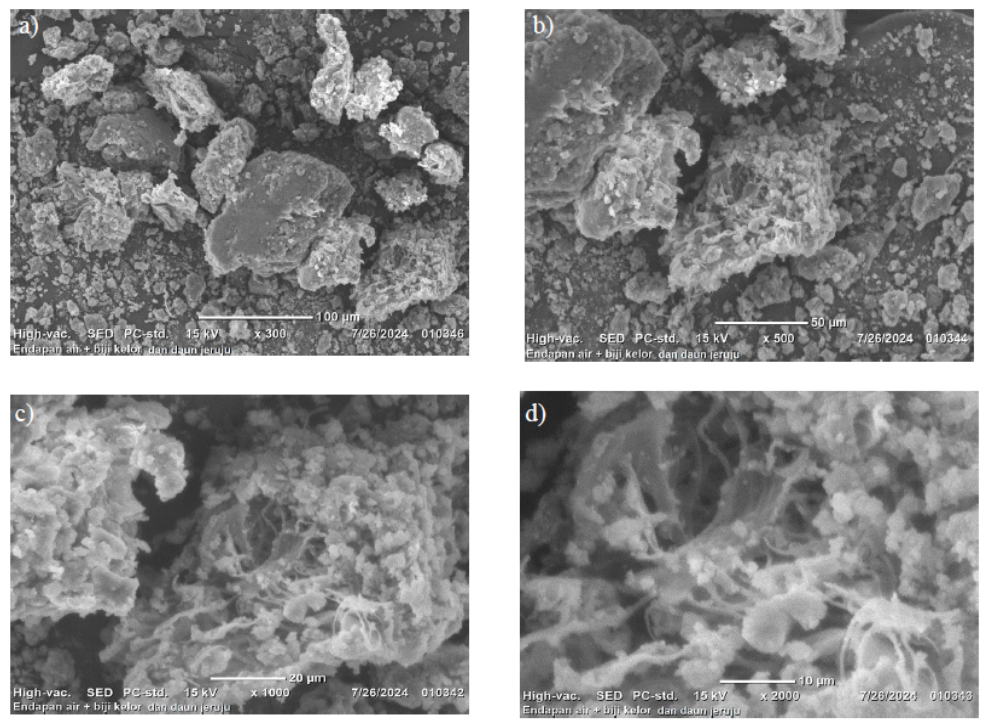
In simple terms, the process is similar to letting muddy water settle—only faster and more effective. When powdered Moringa seeds and Acanthus leaves are added to contaminated water, they attract and bind suspended particles, forming larger clumps. These clumps then settle at the bottom, leaving clearer water on top. At the same time, the natural compounds in these plants may help reduce microbial presence, further improving water safety. The study found that this combination enhances coagulation efficiency, making it a viable option for treating groundwater, especially in areas with limited access to advanced treatment facilities.
Supporting Global Sustainability Goals
This innovation directly contributes to SDG 3: Good Health and Well-being, as access to safe water is essential for preventing disease and improving quality of life. Simple, affordable, and environmentally friendly, this approach offers a practical solution for communities with limited resources. By utilizing locally available plants, this method offers a low-cost and sustainable alternative to conventional water treatment systems. It empowers communities to manage their own water resources using materials that are accessible and environmentally safe.
A Sustainable Solution for the Future
One of the most compelling aspects of this approach is its simplicity. It does not require complex infrastructure or expensive chemicals, making it ideal for small-scale or household-level applications. Moreover, because the materials are biodegradable, they reduce the risk of secondary pollution often associated with chemical treatments. As global demand for clean water continues to rise, solutions like this highlight the importance of integrating traditional knowledge with scientific research. Nature provides powerful tools—we just need to learn how to use them effectively. In the quest for sustainable water management, the combination of Moringa seeds and mangrove leaves offers a clear message: sometimes, the best solutions are already growing around us.
Reference
DOI:
https://doi.org/10.12911/22998993/197045
Contact:
Prof. Fahruddin +62 853-4264-9190
fahruddin_science@unhas.ac.id