


Makassar, Indonesia, June 21st, 2021/asds/. What if technology could warn us about future health risks before they happen? Imagine a system that can analyze your lifestyle—what you eat, how active you are, and even your social conditions—and predict whether you are at risk of obesity. This is no longer science fiction. It is already happening through the power of machine learning, and it plays an important role in achieving SDG 3: Good Health and Well-Being.
A recent study titled*“Predicting Obesity in Adults Using Machine Learning Techniques: An Analysis of Indonesian Basic Health Research 2018”* explores how artificial intelligence can be used to identify obesity risk early. The research used a massive dataset of more than 600,000 adults across Indonesia, making it one of the most comprehensive health analyses in the country.
Obesity is not just about body weight. It is closely linked to serious diseases such as diabetes, heart disease, and hypertension. The challenge is that obesity is influenced by many factors at once—diet, environment, lifestyle, and even mental health. Traditional statistical models often struggle to capture such complex relationships. This is where machine learning becomes a powerful solution.
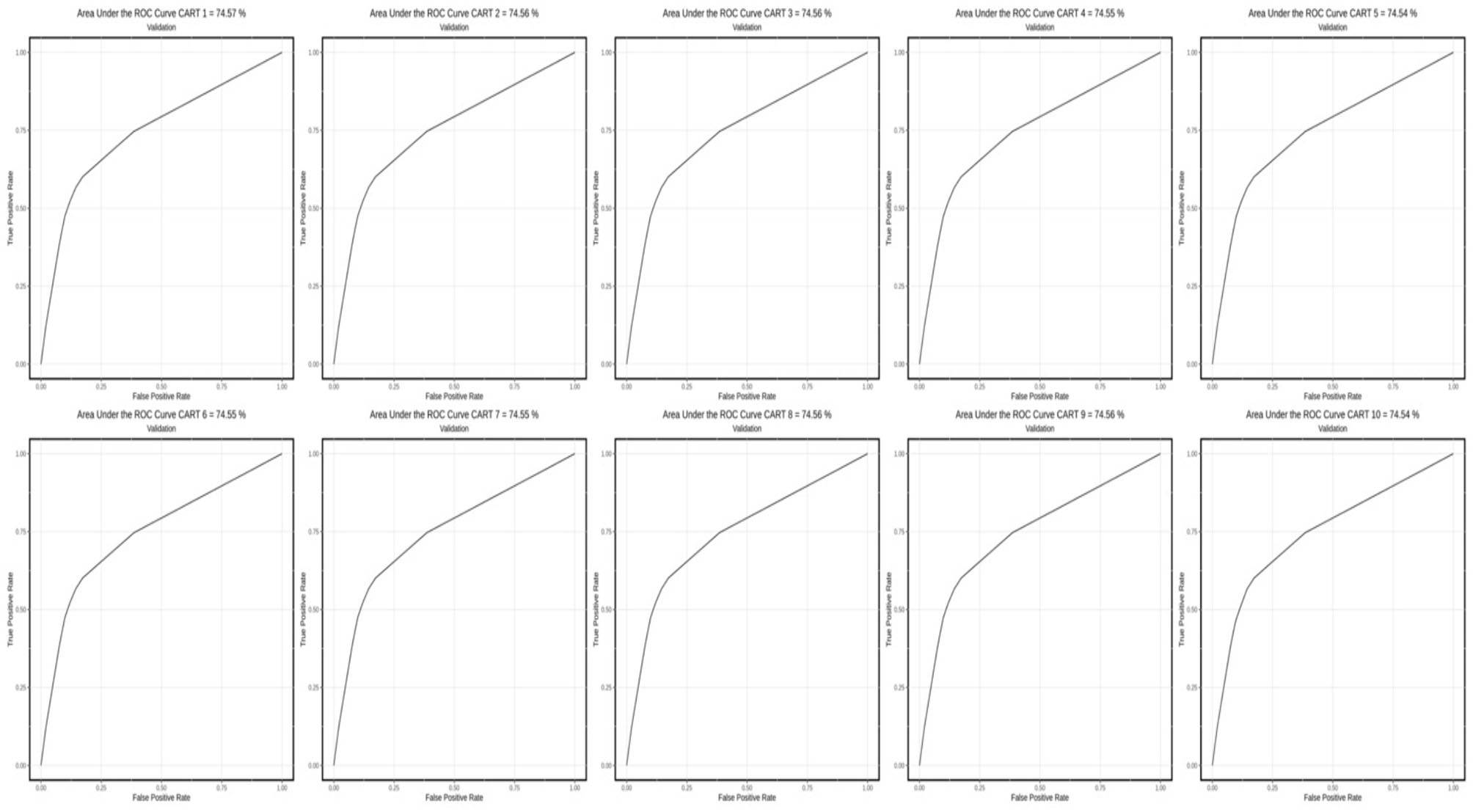
In this study, researchers tested three machine learning methods: Logistic Regression, Classification and Regression Trees (CART), and Naïve Bayes. Their goal was to see which method could most accurately predict whether someone is obese based on their characteristics and behavior.
The results were clear. Logistic Regression performed the best, with an accuracy of about 72% and strong predictive capability. This means that the model can correctly identify obesity risks in a majority of cases—an impressive achievement when dealing with such complex data.
But what factors actually matter? The study highlights several key predictors. Daily habits like consuming fatty foods, sugary drinks, and processed food increase the risk. Lifestyle factors such as low physical activity and smoking also play a role. Even psychological conditions, such as mental-emotional disorders, are linked to obesity.
Another interesting finding is that social factors also influence obesity. Age, education level, marital status, and whether someone lives in an urban or rural area all affect risk levels. This shows that obesity is not just an individual issue—it is shaped by the environment and society.
So why does this matter for SDG 3: Good Health and Well-Being? Because early detection leads to prevention. When health authorities can identify high-risk groups, they can design targeted programs—such as promoting healthier diets, encouraging physical activity, and improving mental health services. This not only saves lives but also reduces healthcare costs.
Moreover, machine learning allows governments to make data-driven decisions. Instead of using general policies, they can create more precise and effective interventions tailored to specific populations. In countries like Indonesia, where diversity is high, this approach is especially important.
On a personal level, this research also sends a strong message: our daily choices matter. Technology may help predict risks, but prevention still depends on individuals making healthier decisions.
In conclusion, machine learning is transforming the way we understand and manage health challenges. By predicting obesity risks more accurately, it offers a powerful tool to build healthier communities. As we embrace technology in healthcare, we move closer to achieving SDG 3: Good Health and Well-Being—a world where everyone has the chance to live a healthy and fulfilling life.
DOI: https://doi.org/10.3389/fnut.2021.669155
Contact: Prof. Sri Astuti Thamrin
+6285298934579


