


Makassar, Indonesia, April 23th, 2025/asds/ Many people believe that serious diseases like heart problems or diabetes only affect the elderly. However, recent findings from South Sulawesi, Indonesia, reveal a different reality—especially for women. Even in seemingly healthy communities, silent health risks are already developing, often without clear symptoms.
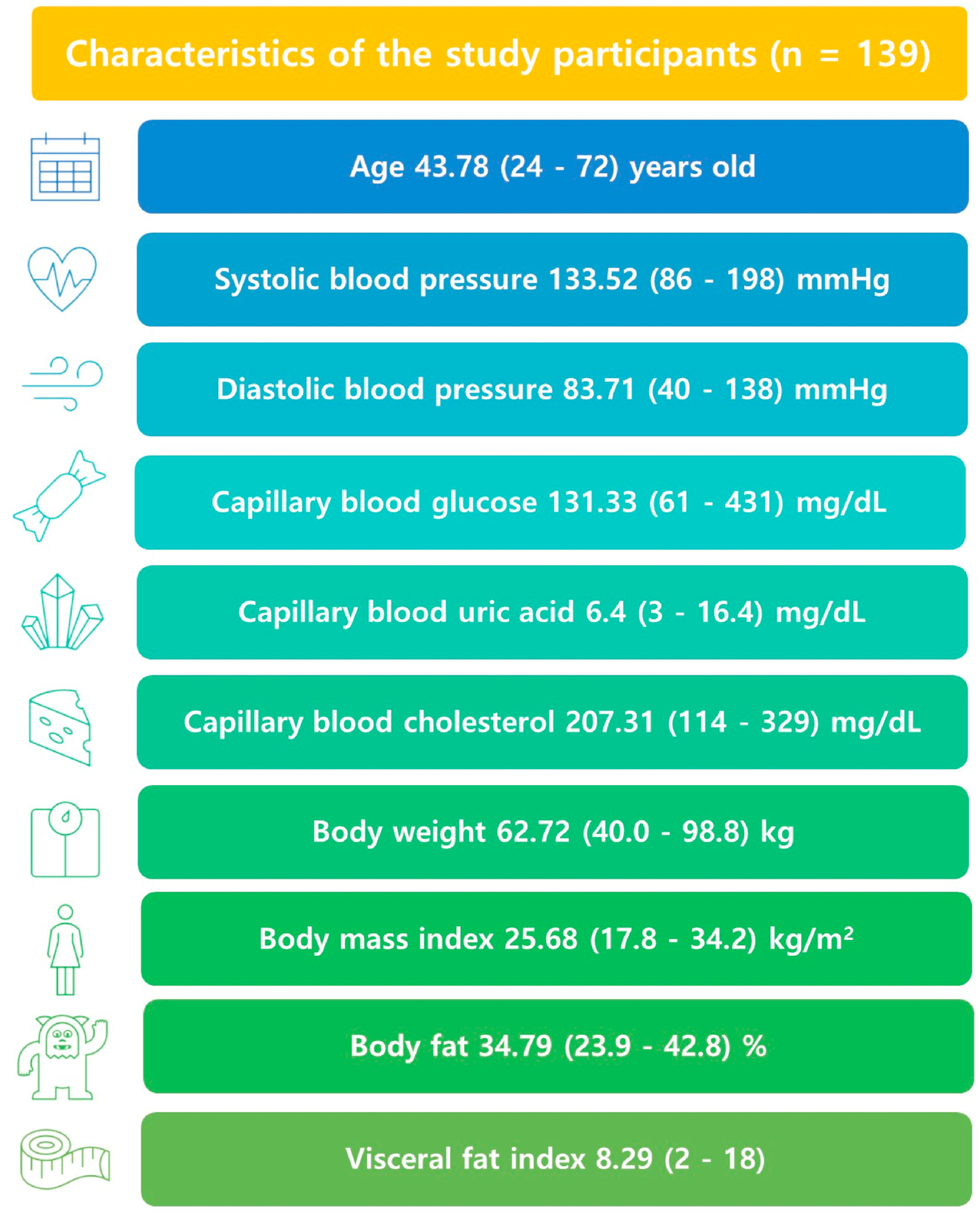
A health screening study involving 139 women found alarming patterns. A large proportion of participants were already facing obesity, hypertension, high cholesterol, and elevated uric acid levels, all of which are key markers of metabolic disorders. These conditions are not isolated; instead, they form a cluster known as metabolic syndrome, which significantly increases the risk of cardiovascular disease and diabetes.
What makes this situation more concerning is how early these risks appear. The study shows that health problems worsen with age, particularly after 40. Blood pressure, blood sugar, and uric acid levels all tend to rise, placing older women at even higher risk. In fact, more than 40% of participants already had stage II hypertension, a serious condition that requires medical attention.
Obesity plays a central role in this issue. Nearly half of the women studied were classified as obese based on their Body Mass Index (BMI). The research also found a strong link between body weight and blood pressure, meaning that as weight increases, the risk of hypertension also rises. Even more interesting, specific thresholds—such as a BMI above 24.8—can already signal a higher risk of high blood pressure.
However, this is not just about numbers or medical terms. The findings highlight a deeper issue: a lack of awareness and early detection. Many people only seek medical help when symptoms appear, but metabolic disorders often develop silently. Without regular health checks, individuals may not realize they are at risk until complications occur.
This situation is directly connected to the global agenda, especially SDG 3: Good Health and Well-being. This Sustainable Development Goal aims to reduce premature deaths from non-communicable diseases, including heart disease and diabetes. Achieving this goal requires a shift from reactive healthcare—treating illness—to proactive healthcare—preventing it before it starts.
Community-based screening programs, like the one conducted in this study, offer a practical solution. They make health services accessible and allow individuals to monitor key health indicators such as blood pressure, cholesterol, and body composition. These programs are particularly important in areas where access to healthcare facilities or diagnostic tools is limited.
Another important takeaway is the need for gender-specific health strategies. Women experience unique biological and hormonal changes—such as pregnancy and menopause—that can increase their risk of metabolic disorders. Therefore, prevention programs must consider these differences to be effective.
Ultimately, the message is clear: early detection saves lives. By promoting regular health screening, improving health education, and encouraging healthier lifestyles, communities can significantly reduce the burden of chronic disease. Health is not just a personal responsibility—it is a shared effort between individuals, healthcare providers, and policymakers.
If we want a healthier future, we must act early, act together, and act wisely.
DOI: https://doi.org/10.1016/j.cegh.2025.102048
Contact: Prof. Sri Astuti Thamrin
+6285298934579
tuti@unhas.ac.id


