


Makassar, Indonesia, January 15th, 2025/asds/ In recent years, cardiovascular disease has remained one of the leading causes of death worldwide. Yet, what is more concerning is not just the number of patients, but how many of them fail to reach basic health targets—even after being diagnosed and treated. A recent study conducted in Indonesia highlights a critical gap that deserves public attention.
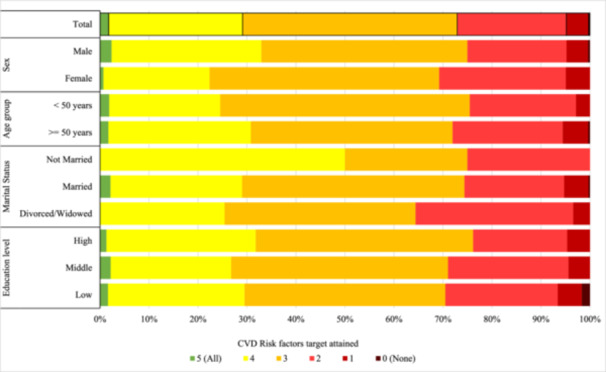
The research found that among patients with coronary artery disease (CAD), only 1.8% managed to meet all recommended treatment targets, such as healthy blood pressure, cholesterol levels, body weight, and lifestyle habits. In simple terms, this means that almost all patients continue to live with at least one uncontrolled health risk, increasing their chances of recurring heart attacks or death.
One of the most alarming findings is related to cholesterol. Only 5.1% of patients achieved the recommended LDL (bad cholesterol) levels, making it the lowest-controlled risk factor. Meanwhile, other targets such as blood pressure and body weight also showed moderate but insufficient control. Even though most patients reported not smoking, other lifestyle and medical factors remain poorly managed.
The study reveals that the problem is not just medical—it is systemic. Many patients face limited access to healthcare services, medications, and regular monitoring. Socioeconomic conditions, low health literacy, and lack of awareness also play a major role. In some cases, patients stop taking medication when they feel better, unaware that cardiovascular disease requires lifelong management.
Healthcare providers also face challenges. Limited resources, uneven distribution of medical facilities, and lack of standardized care can hinder optimal treatment. As a result, even patients who are already diagnosed struggle to maintain long-term health.
This issue is closely linked to the Sustainable Development Goals (SDGs), particularly SDG 3: Good Health and Well-being. SDG 3 emphasizes reducing premature mortality from non-communicable diseases, including cardiovascular disease. However, achieving this goal requires more than treatment—it requires strong prevention, education, and system-wide improvements.
Improving this situation demands collaborative efforts. Governments need to ensure access to affordable medicine, especially for cholesterol management. Healthcare systems must strengthen follow-up care and monitoring. At the same time, communities should be empowered with better health education so patients understand the importance of consistent treatment.
Ultimately, this study is a powerful reminder: diagnosis alone is not enough. Without proper control of risk factors, patients remain vulnerable. To truly improve public health outcomes, Indonesia—and other countries facing similar challenges—must move beyond treatment toward comprehensive, continuous care.
DOI: https://doi.org/10.1111/jep.14311
Contact: Dr. Dian Sidik Arsyad
+6281380222421
sidik@unhas.ac.id


