


Makassar, Indonesia, March 5th, 2024/asds/. Imagine facing a life-threatening heart attack but hesitating to go to the hospital because of high medical costs. This situation used to be common in many developing countries, including Indonesia. Today, however, things are changing. Thanks to the National Health Insurance (NHI) program, more people can access life-saving treatment—and the results are remarkable. This progress strongly supports SDG 3: Good Health and Well-Being, which aims to ensure healthy lives and promote well-being for all.
A recent study titled “In-hospital Mortality of Patients with Acute Coronary Syndrome (ACS) after Implementation of National Health Insurance (NHI) in Indonesia” shows how this policy is making a real difference.
Acute Coronary Syndrome (ACS), which includes serious heart conditions like heart attacks, is one of the leading causes of death in Indonesia. Quick access to treatment is critical, but in the past, financial barriers often delayed care. With the introduction of NHI in 2014, healthcare access began to improve.
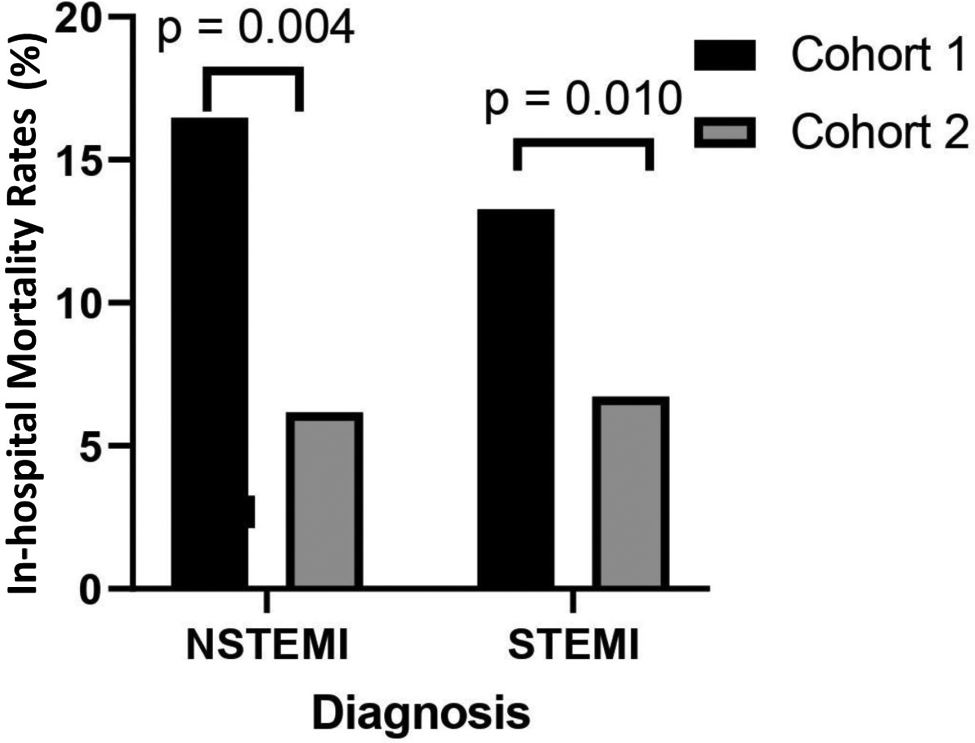
The study compared two groups of patients: one before NHI (2013–2014) and one after its implementation (2018–2020). The results are striking. The number of insured patients increased dramatically—from only 20% to more than 95%. This means that healthcare services became available to almost everyone.
Even more important, the quality of care improved. More patients received advanced treatments such as thrombolysis and percutaneous coronary intervention (PCI), which are crucial for saving lives during heart attacks. At the same time, delays in treatment were reduced significantly. Patients reached hospitals faster, and doctors could act more quickly.
These improvements led to a powerful outcome: hospital death rates dropped by nearly half—from about 11.8% to 5.8%. In statistical terms, patients covered by NHI had a 68% lower risk of dying in the hospital compared to those without coverage.
This is a clear example of how SDG 3: Good Health and Well-Being can be achieved through strong health policies. Access to healthcare is not just about availability—it is about affordability, speed, and quality. The NHI program addresses all these aspects at once.
However, the study also highlights ongoing challenges. Risk factors such as smoking and hypertension are still increasing among patients. This means prevention must go hand in hand with treatment. Health education, early screening, and lifestyle changes are essential to reduce the number of heart disease cases in the future.
The findings also remind us that healthcare systems are complex. While insurance improves access, issues such as delays, infrastructure, and awareness still need attention. People must recognize symptoms early and seek help quickly. At the same time, hospitals must be equipped to deliver rapid and effective care.
Another key lesson is the importance of equity. Universal health coverage ensures that even low-income populations can receive advanced treatments. This reduces inequality in healthcare and gives everyone a fair chance to survive life-threatening conditions.
In conclusion, Indonesia’s National Health Insurance program shows how a well-designed policy can save lives. By expanding access, improving treatment, and reducing mortality, it brings the country closer to achieving SDG 3: Good Health and Well-Being. The journey is not over—but the progress so far proves that investing in healthcare is one of the most powerful ways to build a healthier future.
DOI: https://doi.org/10.1186/s12913-024-10637-5
Contact: Prof. Sri Astuti Thamrin
+6285298934579


