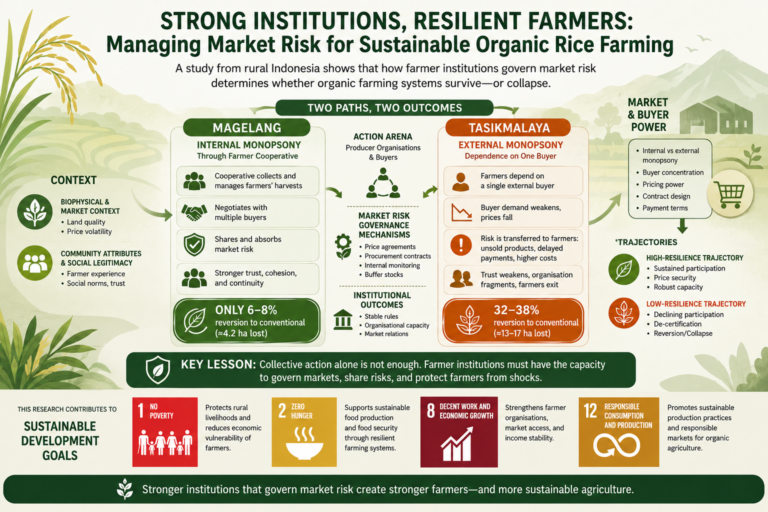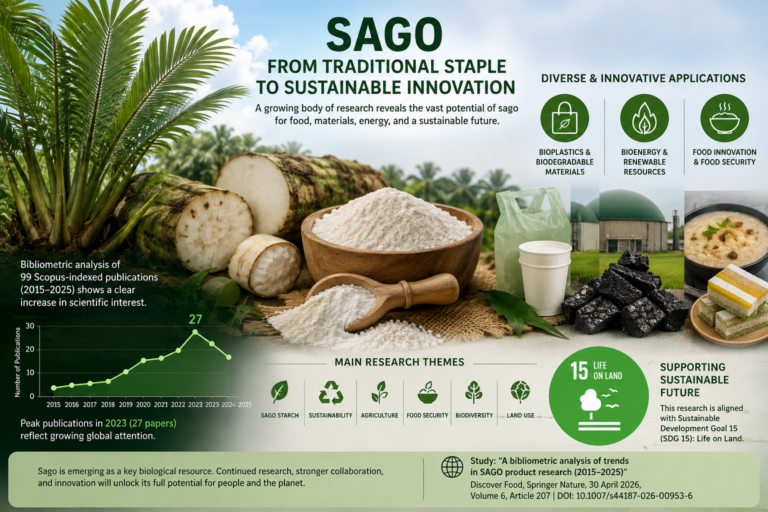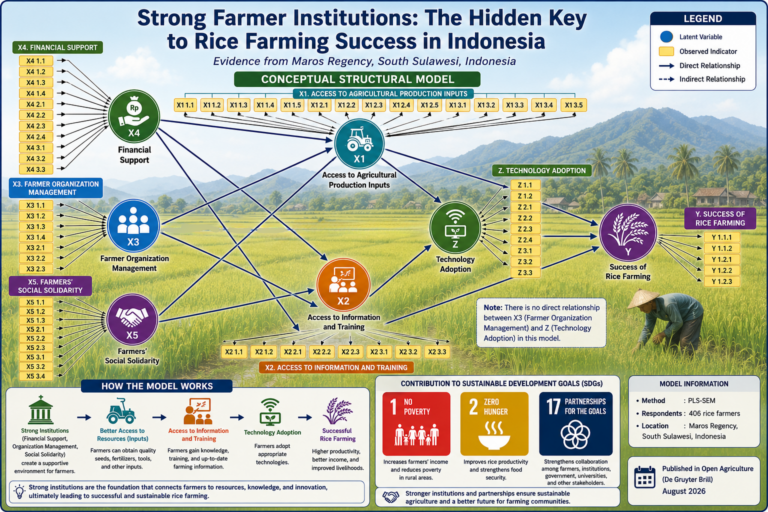

MAKASSAR, Indonesia, April 3 2025 /AISRG/ – When people think about farming, they often picture a farmer standing under the hot sun, planting seeds and waiting patiently for harvest season. It sounds simple: prepare the land, plant the seeds, and collect the crops. But reality tells a very different story.
Imagine being a maize farmer in Jeneponto District, South Sulawesi. The land may be ready, and the seeds may already be planted. But suddenly fertilizer prices rise. Market demand changes. Information about better farming technology does not easily reach rural areas. Access to financing becomes difficult. A farmer may work hard every day, but hard work alone is not always enough.
Modern agriculture is no longer a one-person effort. Behind every successful harvest, there is often an invisible team working together.
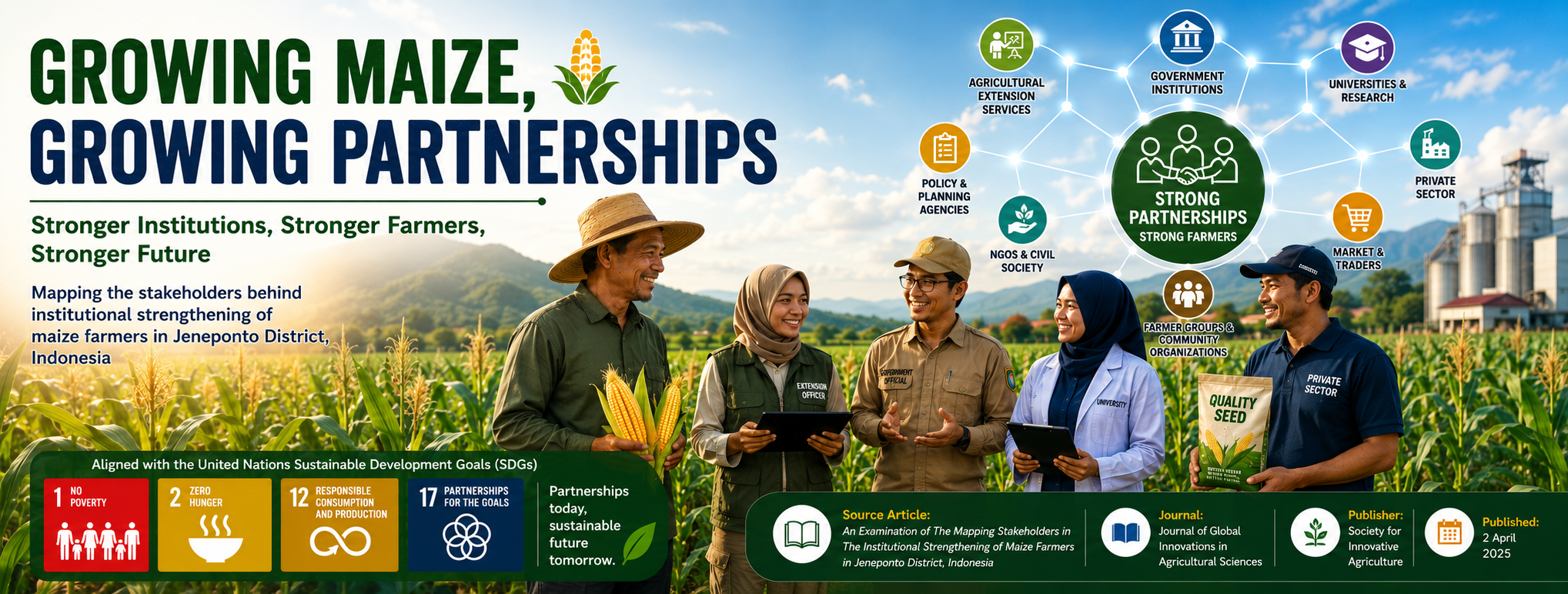
This idea was highlighted in a recently published article titled “An Examination of The Mapping Stakeholders in The Institutional Strengthening of Maize Farmers in Jeneponto District, Indonesia,” published in the Journal of Global Innovations in Agricultural Sciences by the Society for Innovative Agriculture on 2 April 2025. The study explored the people and institutions that help strengthen maize farmers and improve agricultural systems in Jeneponto District.
The research found that stronger agricultural systems do not depend only on farmers themselves. Instead, farming success grows through cooperation among many groups. Government agencies create agricultural policies and support programs. Agricultural extension officers provide training and guidance. Universities contribute research and new ideas. Private companies help farmers access better seeds and connect with markets. Local organizations also help support farming communities.
People often assume that agriculture begins and ends in the field. In reality, farming starts long before seeds enter the soil and continues long after crops are harvested. Farmers need access to information, resources, technology, infrastructure, and markets. Without these support systems, many agricultural challenges become harder to overcome.
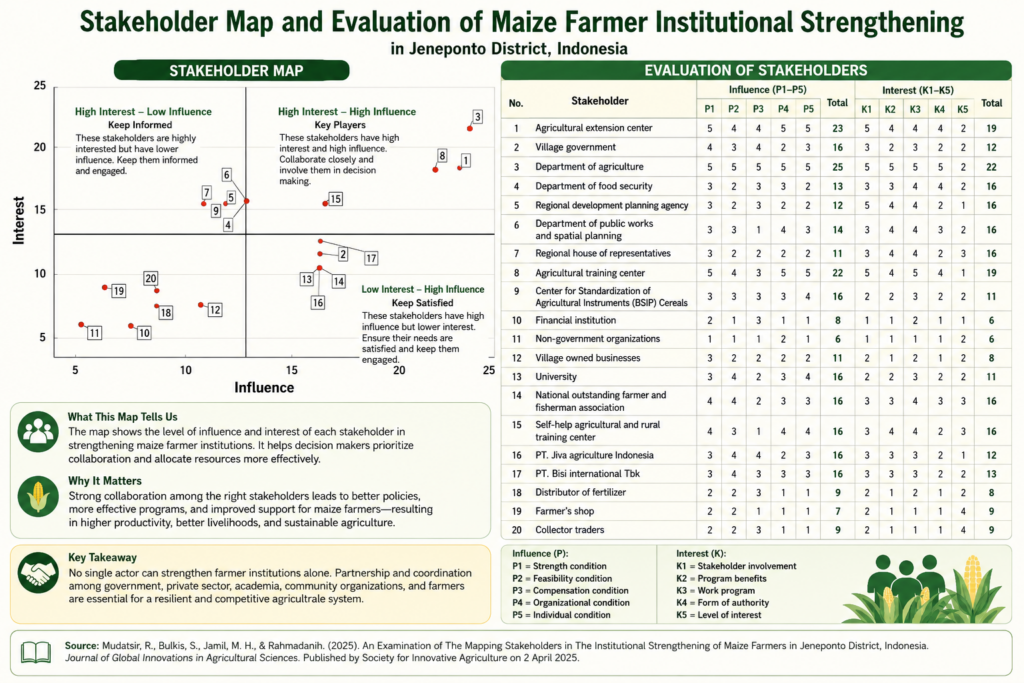
Figure 1. Stakeholder mapping matrix showing the relationships and influence of actors supporting maize farmers
Adapted from: Mudatsir et al. (2025), Journal of Global Innovations in Agricultural Sciences.
The findings become especially important because agriculture affects much more than food production. Stronger institutions and better collaboration can improve farmers’ income, strengthen local economies, and create more sustainable communities.
This issue connects directly with several United Nations Sustainable Development Goals (SDGs). SDG 1: No Poverty seeks to improve farmers’ livelihoods and economic resilience. SDG 2: Zero Hunger aims to strengthen food production systems and ensure food availability. SDG 12: Responsible Consumption and Production encourages sustainable agricultural practices. Most importantly, SDG 17: Partnerships for the Goals highlights the importance of collaboration because solving agricultural challenges cannot happen in isolation.
The lesson from this study is surprisingly simple: good harvests do not grow from seeds alone. Sometimes, the most valuable thing growing in agriculture is partnership itself.
Reference:
DOI: https://doi.org/10.22194/JGIAS/25.1662
Contact:
Prof. Sitti Bulkis
+62 813-5549-1888
bulkisd@agri.unhas.ac.id