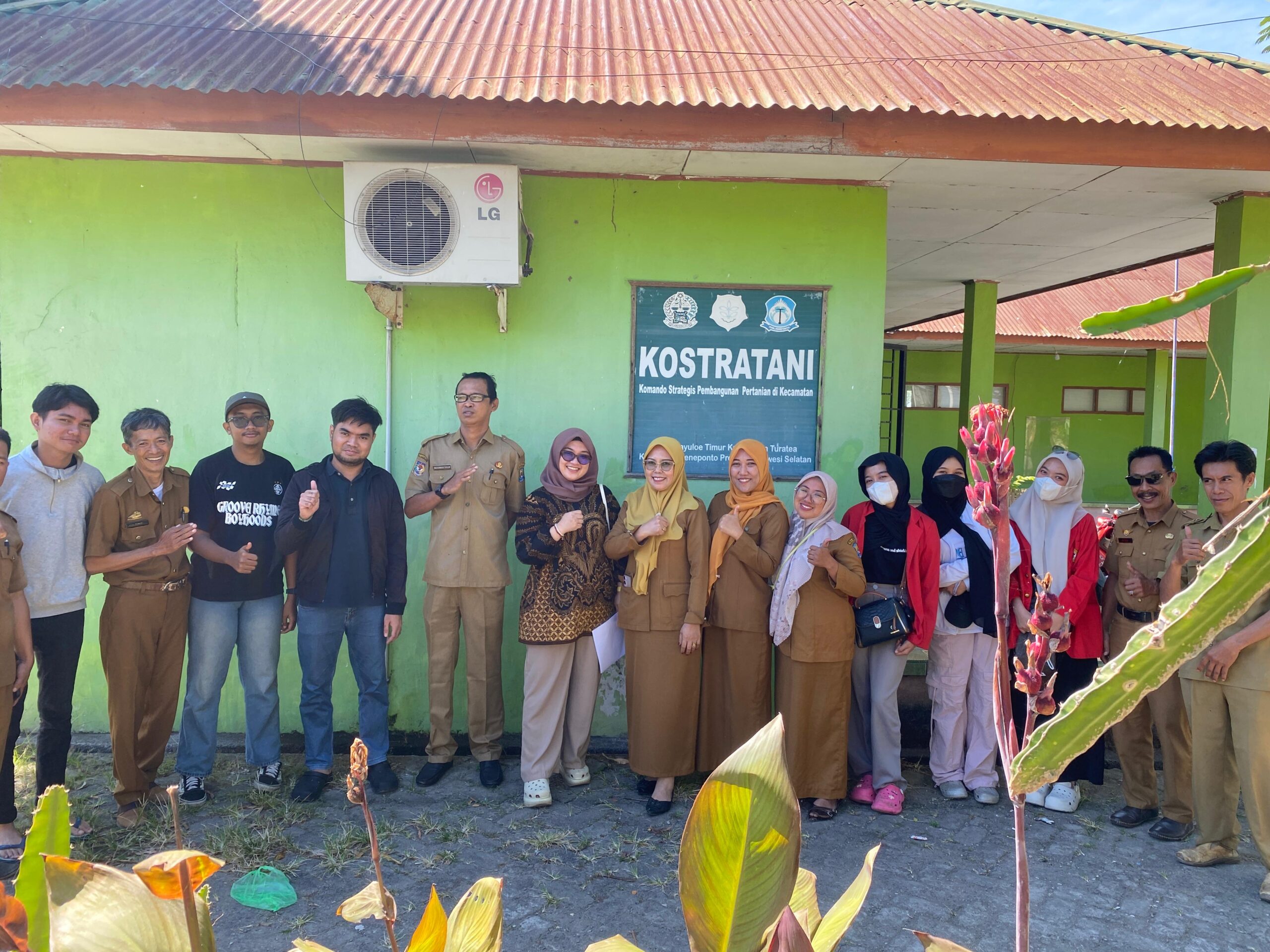
Jeneponto, Indonesia August 26, 2025 /AISRG/– The Agricultural Institution Strengthening Research Group (AISRG) conducted a field survey on farmer institutions in Turatea Sub-district, Jeneponto Regency, South Sulawesi, from August 25–26, 2025, as part of its broader research efforts to understand the conditions, roles, and challenges of farmer organizations in supporting agricultural development.
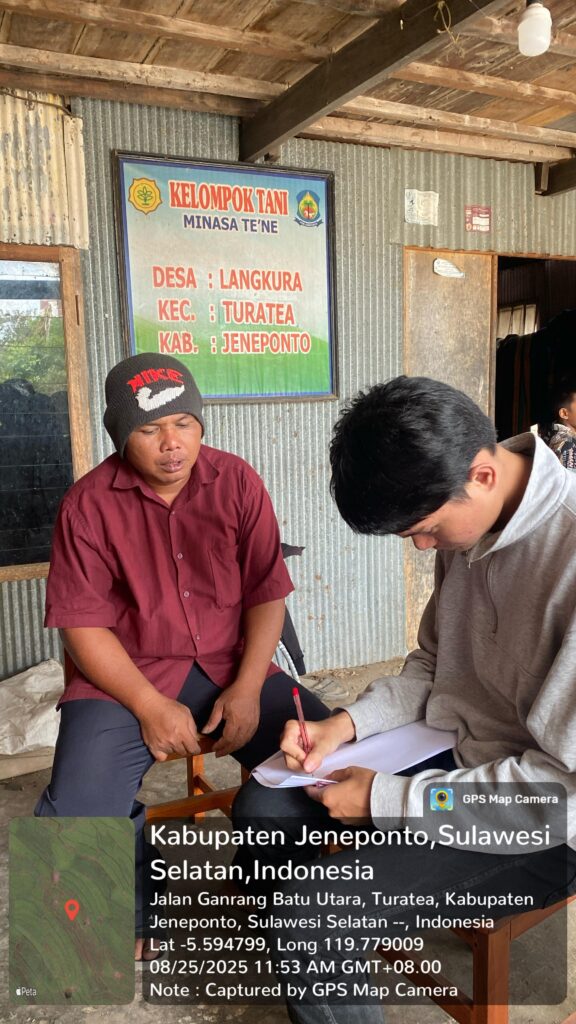
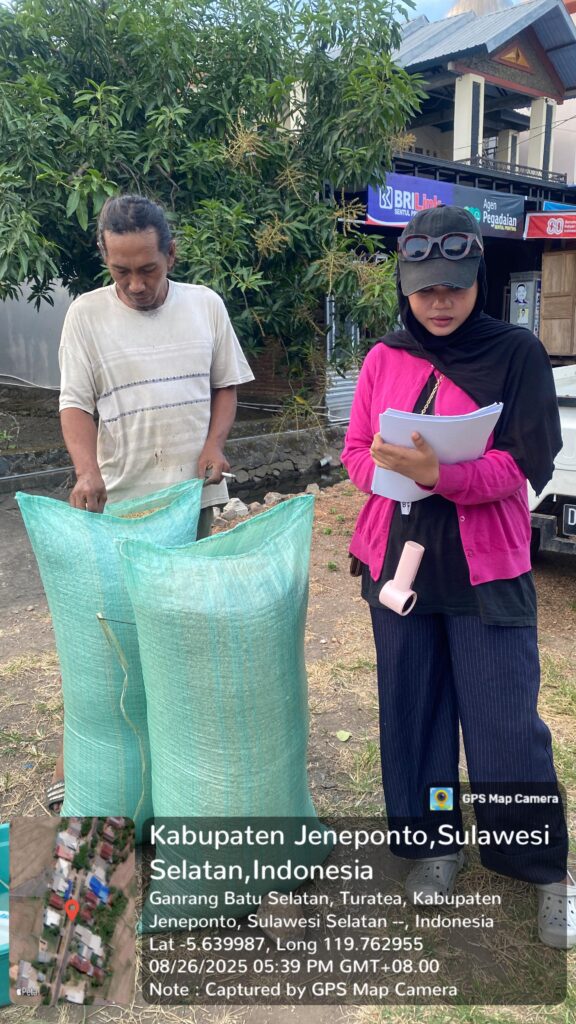
The survey focused on farmer groups (kelompok tani) and farmer group associations (gabungan kelompok tani or gapoktan), while gathering information directly from maize farmers in the study area. The activity aimed to examine the functioning of farmer institutions, farmer participation, organizational practices, and challenges that may affect their capacity to support agricultural production and rural livelihoods.
The field survey was led by Adhyta Puspita S., S.P., M.Si., a member of the TRG research team, who coordinated the field activities and supervised the data collection process. The survey involved six Agribusiness students from Hasanuddin University as field enumerators: M. Raden Zyahul Haq Al Bilal, Hastriani, Anang Hidayat HY., Aidha Putri Zahrani, Rezky Anugrah, and Aulia Putri Zubair.
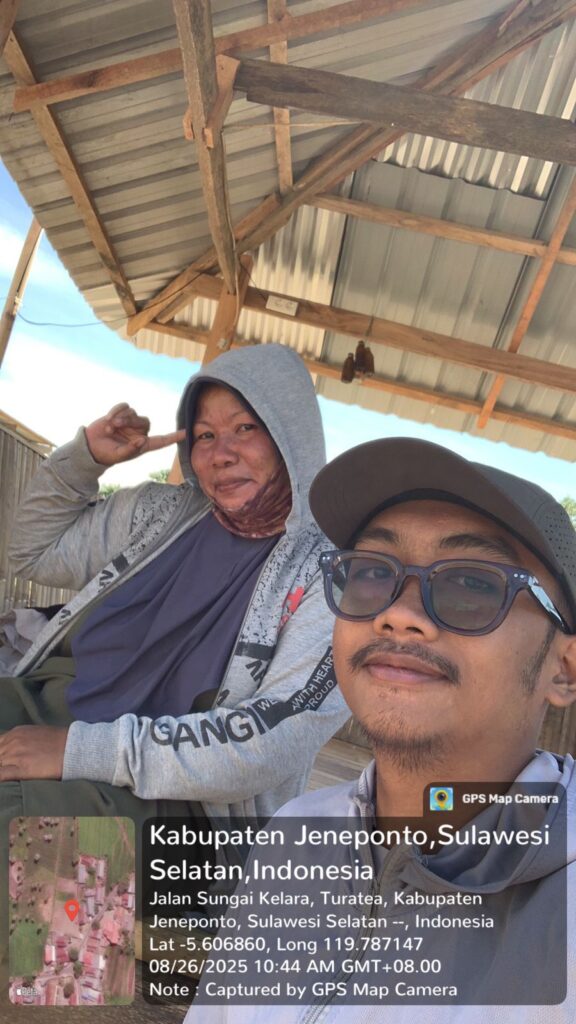
During the fieldwork, the enumerators conducted direct interviews with maize farmers and collected primary information concerning farmer organizations and their activities. The process enabled the research team to obtain information directly from farming communities while considering the local context in which farmer institutions operate. Agricultural extension officers also supported the fieldwork, helping facilitate communication between the enumerators and farmers during the interviews.
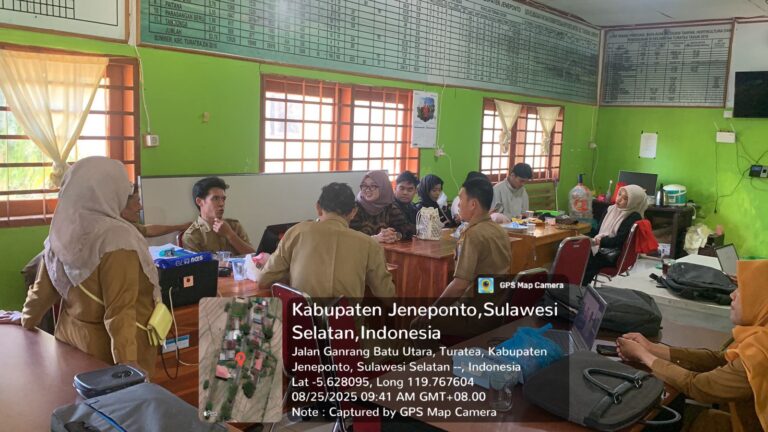
The involvement of Agribusiness students contributed to the field implementation while providing practical experience in interviewing, data collection, farmer communication, and observation of agricultural institutions. Their participation strengthened the field research team’s capacity to engage directly with farming communities and document information relevant to the research.
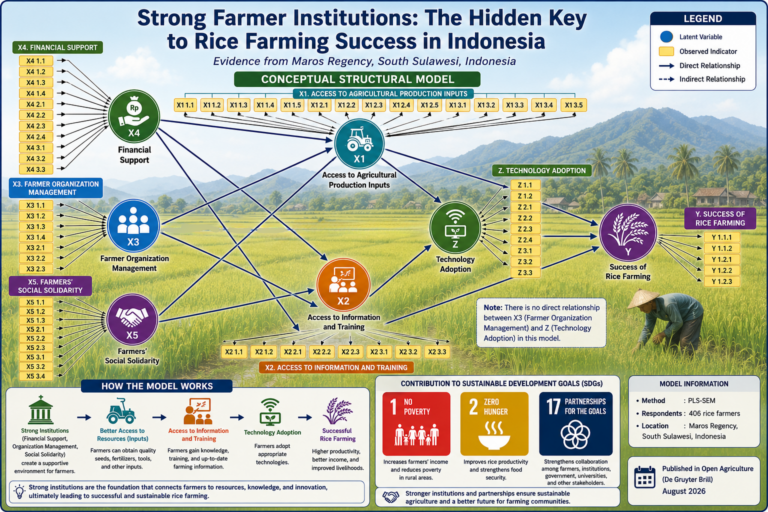
The survey generated primary evidence on farmer institutional conditions, organizational activities, farmer participation, and institutional challenges. The information will contribute to the TRG’s broader analysis of farmer institutions and provide a basis for identifying opportunities to strengthen their capacity and effectiveness. Stronger farmer organizations can facilitate collective action and improve farmers’ access to agricultural information, inputs, technology, markets, and development programs.
The activity contributes to SDG 2: Zero Hunger by supporting research aimed at strengthening agricultural institutions and farming communities involved in food production. It also supports SDG 1: No Poverty by generating evidence that can inform institutional strengthening and improve farmers’ access to resources and opportunities. Furthermore, cooperation among researchers, student enumerators, agricultural extension officers, and farming communities contributes to SDG 17: Partnerships for the Goals through local collaboration and knowledge exchange.
Overall, the field survey demonstrates the TRG’s commitment to evidence-based agricultural research and community-responsive development. By bringing research directly into farming communities and involving Agribusiness students as part of the field research team, the activity contributes to a better understanding of farmer institutions and supports efforts toward more inclusive, resilient, and sustainable agricultural development in South Sulawesi.