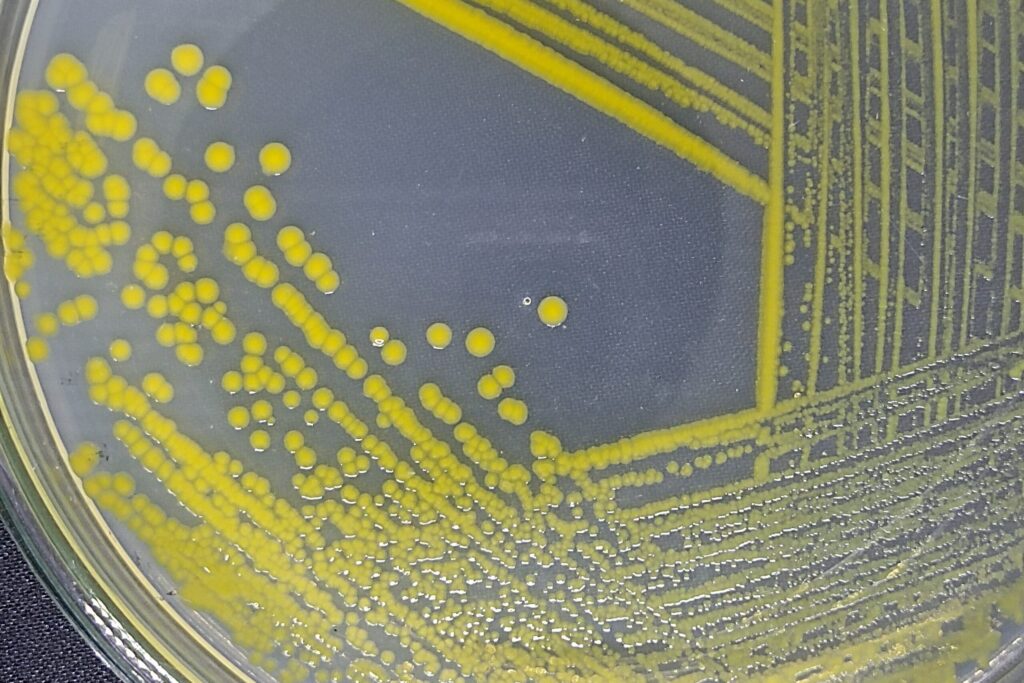
Plant bacteriology is a branch of science that studies the interactions between bacteria and plants, both as pathogens causing plant diseases and as beneficial microbes. Research in this area includes identifying plant pathogenic bacteria, understanding mechanisms of pathogenicity, and studying the impact of bacterial infections on plant physiology and productivity.
Management of Plant Bacterial Diseases
Description
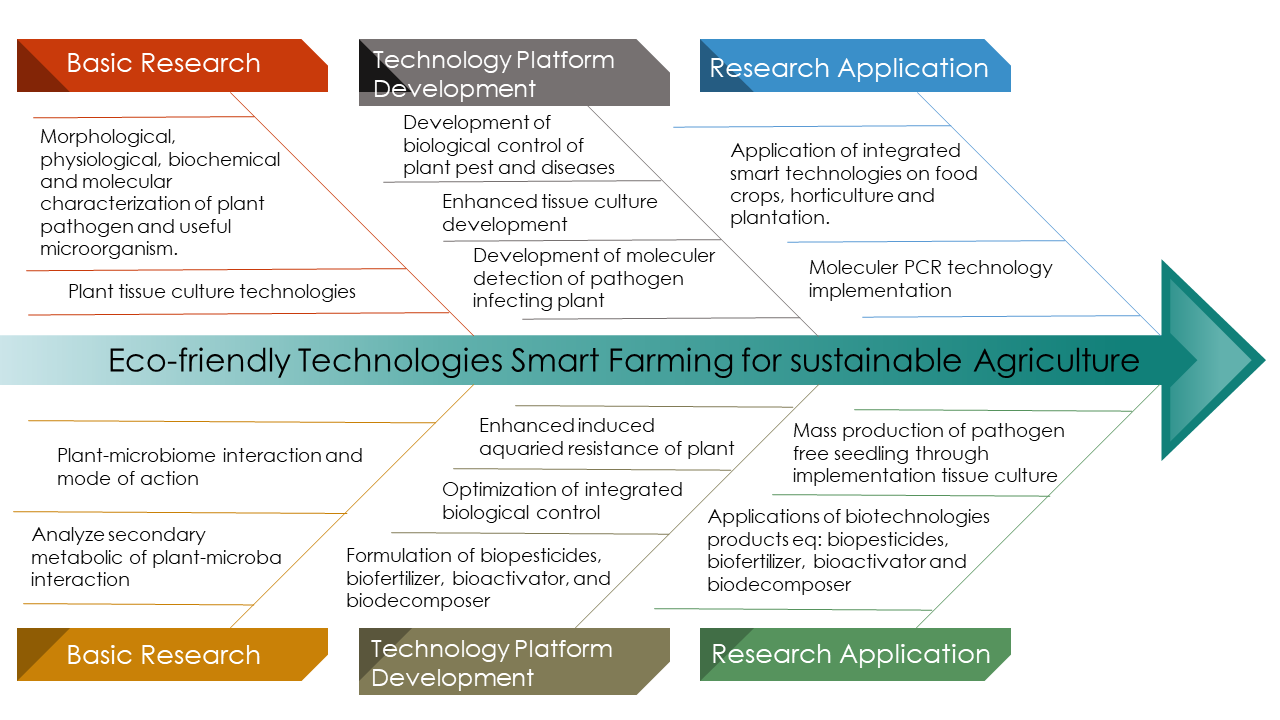
This research focuses on developing strategies to control bacterial diseases in plants, including chemical, biological, and integrated approaches. These methods aim to minimize the negative impact of bacterial pathogens on plants through techniques such as using resistant varieties, applying biocontrol agents, and utilizing environmentally friendly biopesticide technologies.
Pathogen-free Seedling Production Using Tissue Culture and PCR Molecular Techniques
Description
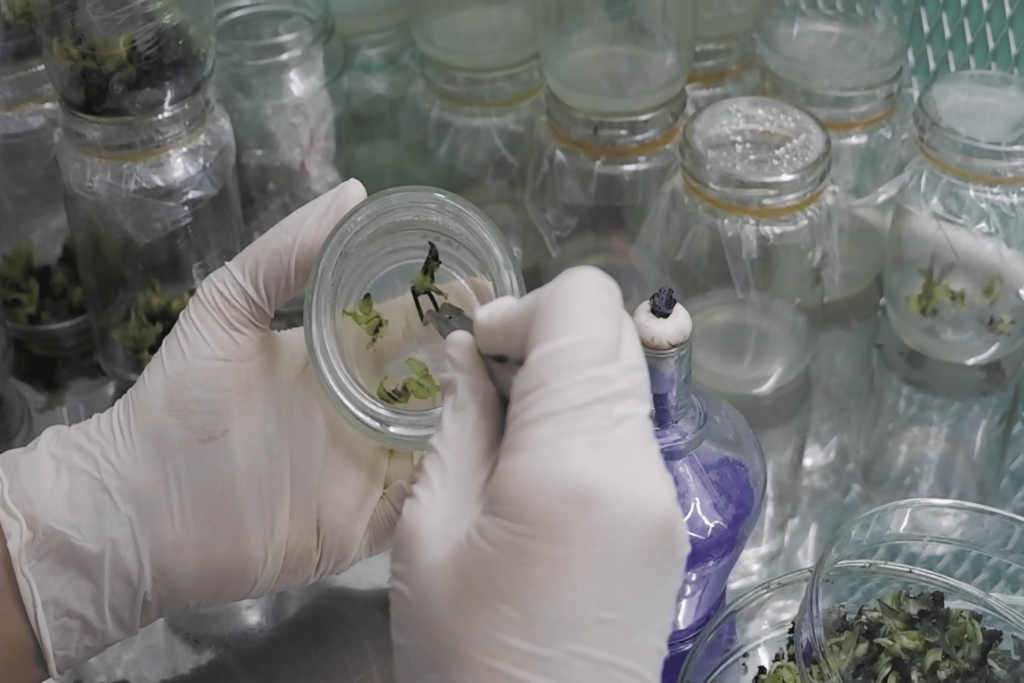
This research explores tissue culture and Polymerase Chain Reaction (PCR) techniques to produce pathogen-free plant seedlings, especially targeting bacteria. Tissue culture allows for plant propagation in a sterile environment, while PCR is used to detect pathogens at early stages.
Development of Biotechnological Products such as Biopesticides, Biofertilizers, and Bioactivators
Description
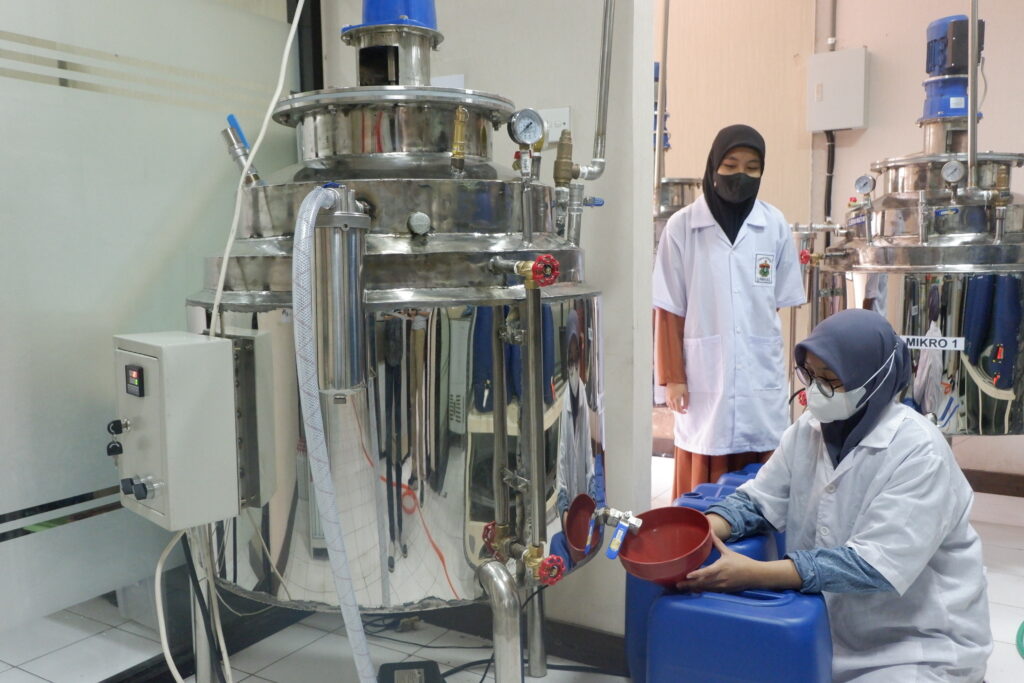
Research in this area involves developing biotechnological products to sustainably enhance plant production and health. Biopesticides are created to control plant pathogens and pests, biofertilizers are used to improve nutrient availability through beneficial microorganisms, and bioactivators stimulate plant growth and resilience against environmental stress.