

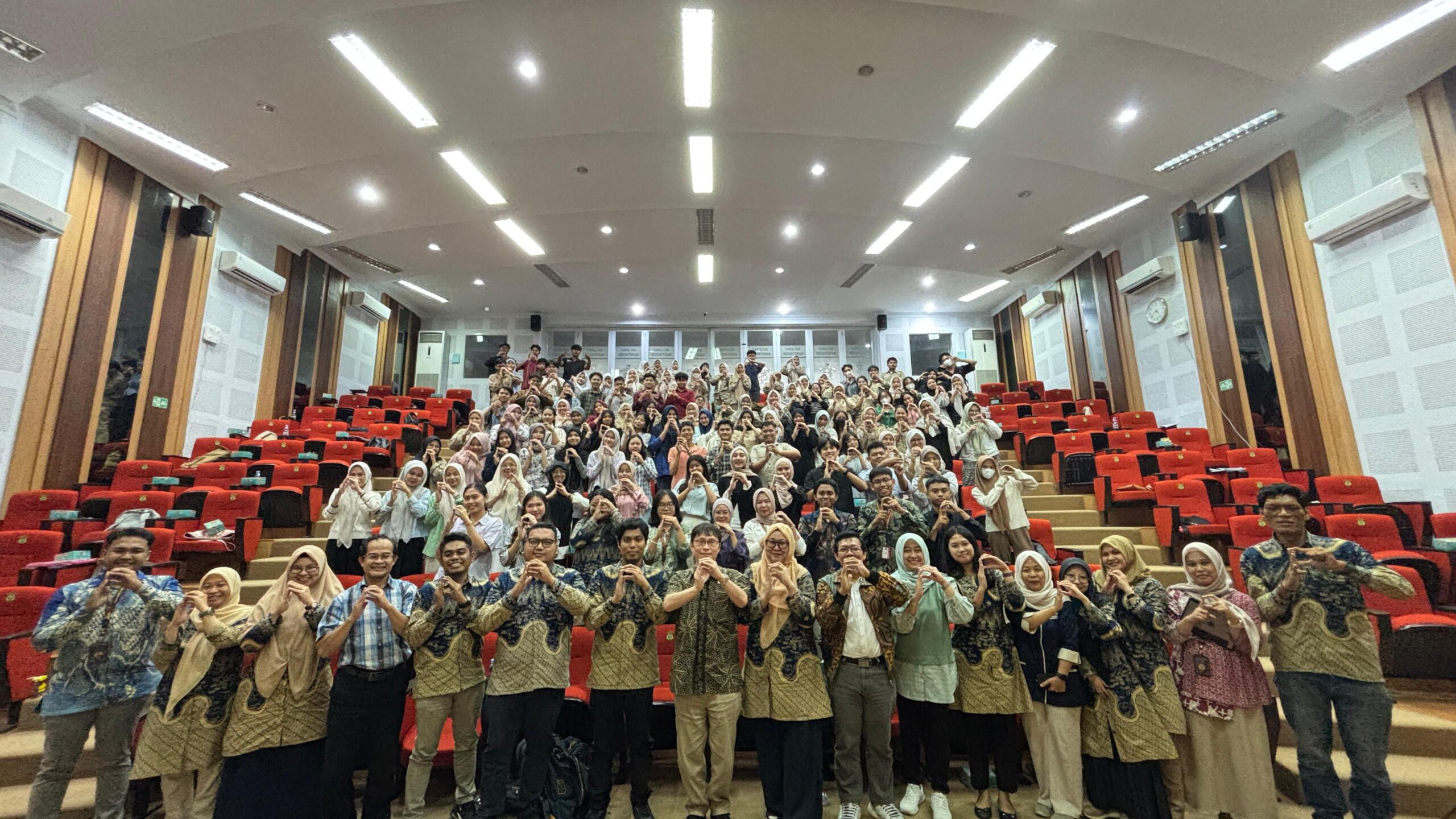

Makassar, June 18th 2025 – The Infectious Animal Disease Dynamics Thematic Research Group, widely recognized as ADDIS TRG, operating under the Veterinary Medicine Study Program in the Faculty of Medicine at Hasanuddin University recently organized an inspiring International Guest Lecture on Parasitology. Held in Lecture Theater 5, the academic forum successfully gathered around 100 passionate participants, ranging from dedicated faculty members to undergraduate students keen on discovering modern diagnostic innovations and understanding complex host-parasite interactions. This special gathering provided a vibrant, encouraging platform for discussing cutting-edge health science while building stronger, longer-lasting bridges between local academic communities and internationally renowned research leaders from various specialized institutions.
The international lecture featured highly valuable scientific contributions from distinguished international and domestic experts. Key international collaborator Prof. Makoto Matsubayashi, DVM, Ph.D., hailing from Osaka Metropolitan University in Japan, delivered an insightful presentation on the development of advanced technology for detecting gastrointestinal parasites that infect both animals and humans, highlighting their broader impact on global community health. Complementing these international insights, prominent domestic collaborator April Hari Wardhana from the National Research and Innovation Agency, commonly known as BRIN, shared crucial epidemiological data regarding Trypanosoma evansi, focusing on its aggressive spread among livestock and its potential threat as an emerging zoonotic disease across Indonesia.
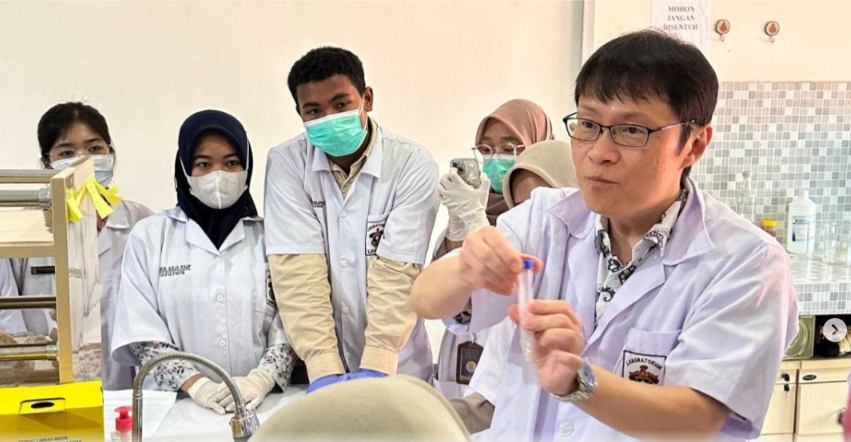
Moving well beyond traditional classroom lectures, this collaborative educational effort extended directly into hands-on practical training for young researchers. Following the theoretical presentations, foreign collaborator Prof. Makoto Matsubayashi, DVM, Ph.D. from Osaka Metropolitan University and domestic collaborator April Hari Wardhana from the National Research and Innovation Agency demonstrated modern detection techniques for gastrointestinal protozoa inside the university’s integrated veterinary medicine laboratory. This interactive laboratory demonstration directly involved 25 enthusiastic students, including dedicated veterinary parasitology laboratory assistants and undergraduate students currently conducting their senior thesis research on parasitology, such as Aulia Pratiwi and Yonatan. Under expert professional guidance, these ambitious students gained priceless practical experience using advanced laboratory equipment and standardized scientific protocols to accurately identify persistent microscopic parasites.
This comprehensive academic initiative actively supports several United Nations Sustainable Development Goals (SDGs), which were explicitly embedded into the core purpose of the event. By helping prevent destructive livestock diseases that destroy rural household income, the initiative directly supports SDG 1: No Poverty. Through addressing dangerous zoonotic parasites that easily cross species barriers to infect people, it contributes directly to SDG 3: Good Health and Well-Being. By offering high-quality practical training to young scholars, it advances SDG 4: Quality Education. Finally, by uniting experts from Hasanuddin University, Osaka Metropolitan University, and BRIN, the program actively embodies SDG 17: Partnerships for the Goals. Through these continuous joint efforts, the institution proudly continues to champion global health solutions, advance practical scientific knowledge, and prepare the next generation of veterinary researchers to successfully solve real-world health challenges.


