
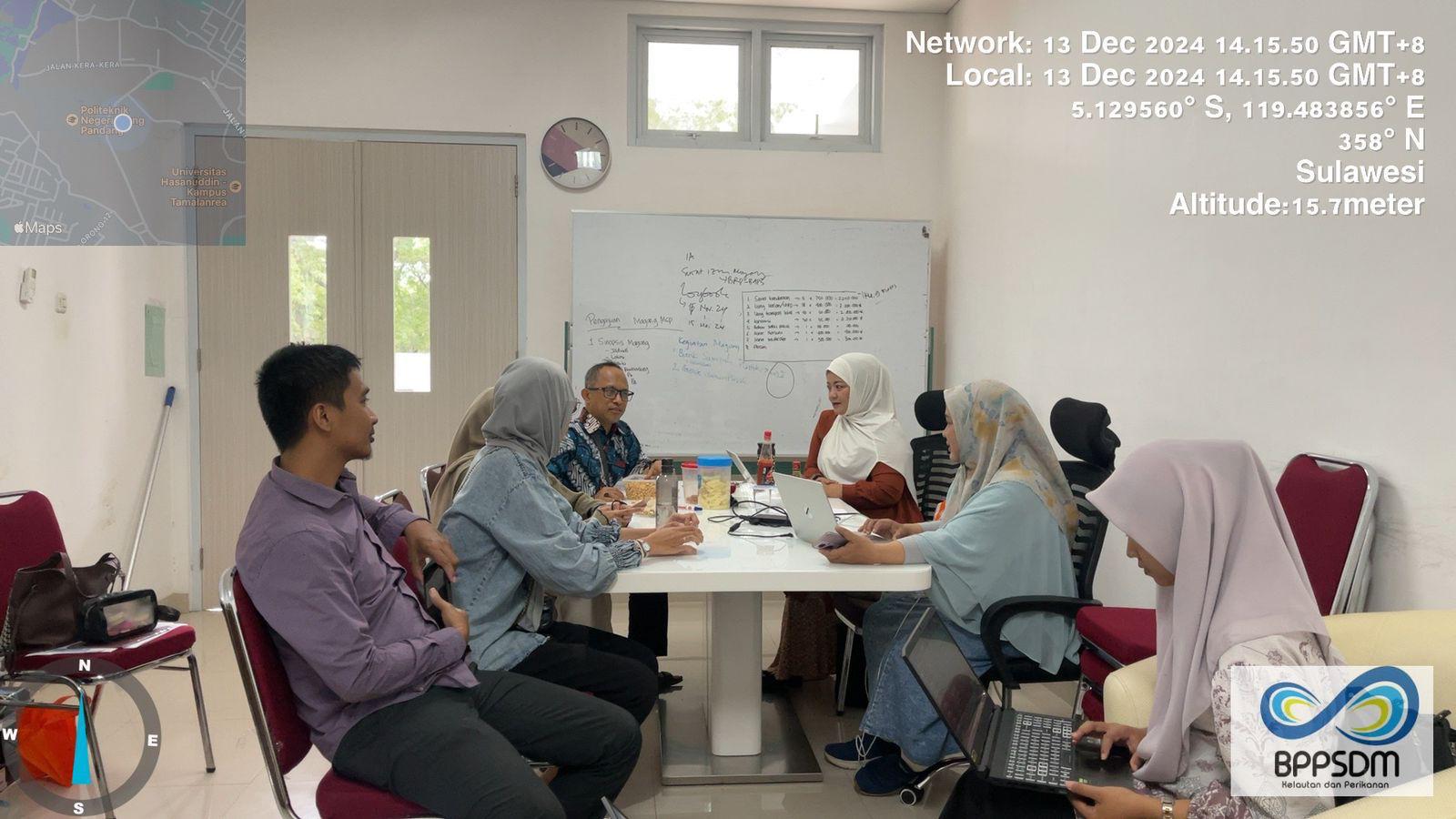

Plastic pollution has become one of the most pressing environmental challenges of the 21st century. Improperly managed plastic waste often accumulates in urban areas and eventually flows into rivers and coastal waters, threatening ecosystems and human health. In response to this growing concern, a community-based initiative entitled “Saving the Earth through a Plastic Waste Bank” was implemented from September 2024 to May 2025 in several locations in Makassar, including the Faculty of Marine Science and Fisheries, Hasanuddin University, Lae-Lae Island, and surrounding communities.
This initiative was designed to promote sustainable waste management practices by encouraging the collection, sorting, and recycling of plastic waste through a waste bank system. The program was led by Khusnul Yaqin and Sri Wahyuni, accompanied by 12 undergraduate students from the 2022 cohort of the Faculty of Marine Science and Fisheries. Together, they engaged local residents, students, and community members in activities that combined environmental education with practical waste management solutions.
The primary objective of the activity was to manage plastic waste so that it does not pollute terrestrial and aquatic environments. Participants conducted a series of educational sessions, discussions, and hands-on activities focused on identifying plastic waste sources, sorting recyclable materials, and establishing simple plastic waste banking mechanisms within communities. Through this approach, plastic waste was treated not merely as a pollutant but as a resource that could be collected, stored, and redistributed for recycling.
The program also emphasized the importance of environmental awareness and collective responsibility. By involving university students and local communities, the initiative aimed to build a culture of environmental stewardship and sustainable consumption. Students gained practical experience in community engagement and environmental communication, while residents learned how small behavioral changes in daily waste handling could significantly reduce environmental pollution.
This activity contributes directly to several Sustainable Development Goals (SDGs) established by the United Nations. First, it supports SDG 14: Life Below Water, which emphasizes the protection of marine ecosystems from pollution, particularly land-based sources such as plastic waste. By preventing plastic from entering coastal and marine environments around Makassar and Lae-Lae Island, the initiative helps safeguard marine biodiversity and fisheries resources that local communities depend on.
In addition, the activity contributes to SDG 1: No Poverty, as waste bank systems can create small-scale economic opportunities for communities through recycling and material recovery. Plastic waste collected by participants can be sold to recycling networks, providing additional income while reducing environmental pressure.
The initiative also aligns with SDG 4: Quality Education, as it integrates environmental literacy and experiential learning for students and community members. Educational outreach activities strengthened public understanding of waste management and environmental conservation.
Finally, the collaborative nature of the program reflects SDG 17: Partnerships for the Goals. The success of the initiative relied on cooperation among university lecturers, students, and local communities, demonstrating that environmental challenges require collective action and shared responsibility.
Through this initiative, the participants demonstrated that community-based plastic waste management can become an effective strategy for protecting both terrestrial and marine environments while promoting education, economic opportunity, and sustainable partnerships.


