

Embryonic Heartbeat of Oryzias celebensis as a Non-Invasive Biomarker for Aquatic Toxicity Assessment
Khusnul Yaqin
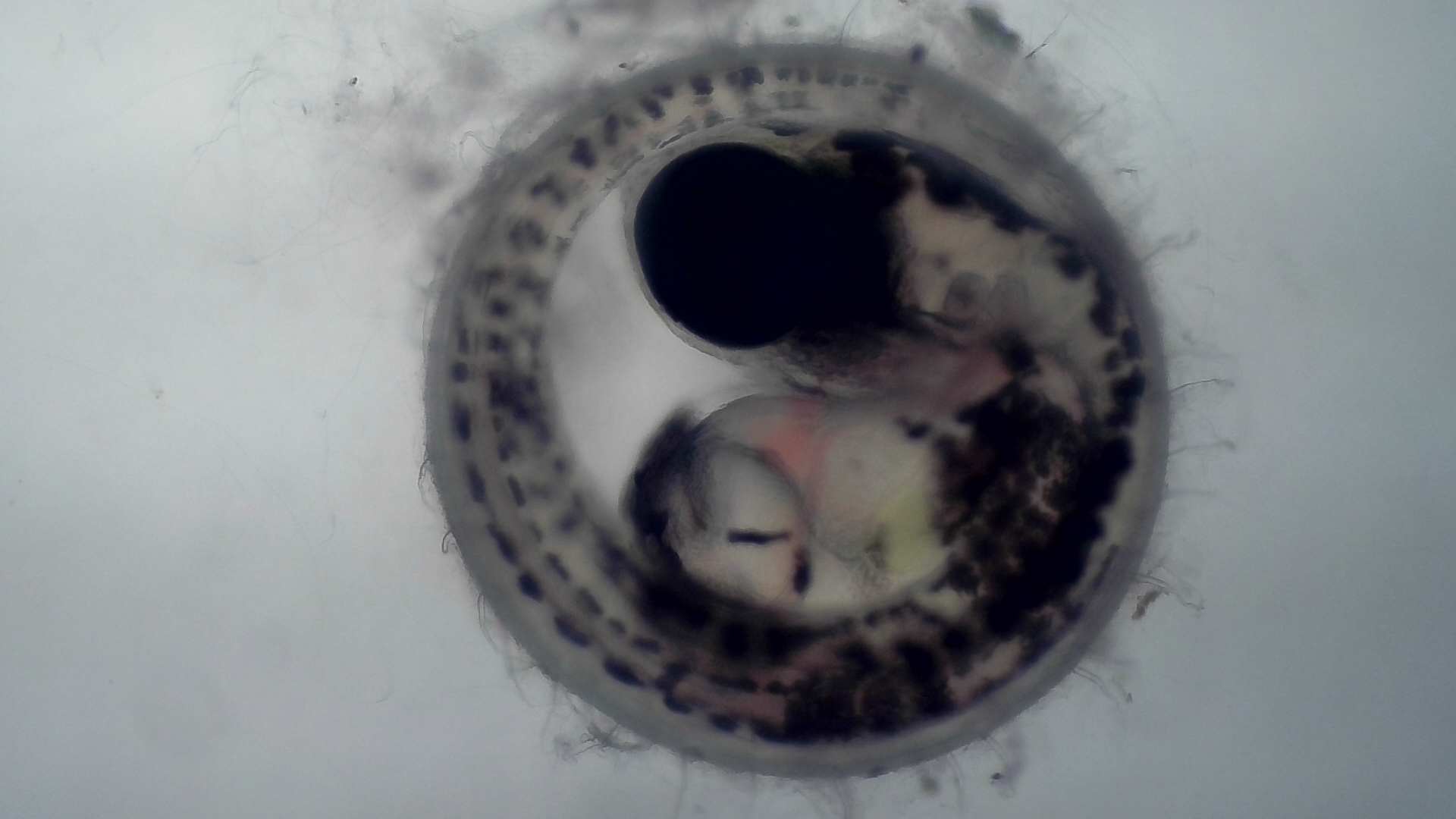
The application of embryonic heart rate in Oryzias celebensis as a biomarker for aquatic toxicity signifies a pivotal advancement in environmental monitoring. In their study, Yaqin, Rahim, and Idris (2025) explored the effects of UV-C light exposure on the heart rate of O. celebensis embryos, revealing significant alterations that underscore the potential of this parameter as a sensitive, non-invasive biomarker for detecting environmental stressors.
This research emphasizes the necessity of developing straightforward and effective methods for the early detection of aquatic pollutants. By monitoring changes in embryonic heart rate, scientists and environmental managers can more efficiently assess the health of aquatic ecosystems. The non-invasive nature of this biomarker facilitates continuous monitoring without harming the organisms, rendering it a practical tool for long-term environmental assessments.
Furthermore, the study highlights the broader implications of utilizing O. celebensis embryos in ecotoxicological research. Given their sensitivity to environmental changes and ease of observation, these embryos serve as an excellent model for studying the impacts of various pollutants. The methodology employed by Yaqin et al. provides a framework for future studies aiming to explore the effects of different environmental stressors on aquatic life.
In conclusion, the work of Yaqin and colleagues offers valuable insights into the field of aquatic toxicology. By establishing embryonic heart rate as a reliable biomarker, this research paves the way for more effective monitoring and management of aquatic environments, ultimately aiding in the protection of biodiversity and ecosystem health.
References:
Yaqin, K., Rahim, S. W., & Idris, R. I. (2025). The potential use of Oryzias celebensis embryo heart rate as a simple and non-invasive biomarker to detect the adverse effects of UV-C light. Egyptian Journal of Aquatic Biology and Fisheries, 29(2), 1433–1443. https://ejabf.journals.ekb.eg/article_420158.html
Yaqin, K., Rahim, S. W., & Sari, D. K. (2021). Dry transportation of Oryzias wolasi embryo for ecotoxicological studies. IOP Conference Series: Earth and Environmental Science, 860(1), 012102.
Yaqin, K., Rahim, S. W., Sari, D. K., & Tresnati, J. (2021). Can Oryzias celebensis embryo be transported dry? IOP Conference Series: Earth and Environmental Science, 934(1), 012067.
Yaqin, K., Lalombo, Y. I., Omar, S. B. A., Rahim, S. W., & Sari, D. K. (2022). Survival rates of Oryzias celebensis embryo reared in different media in an attempt to provide embryos for ecotoxicological studies. International Journal on Advanced Science, Engineering and Information Technology, 12(5), 2008–2014.
Yaqin, K., Rahim, S. W., Parawansa, B. S., Kudsiah, H., Tambaru, R., Sari, D. K., Riani, E., Hardiana, A. D., Meimulya, & Lalombo, Y. I. (2023). Teknik penggunaan embrio Oryzias celebensis sebagai sentinel organism dalam studi ekotoksikologi secara in situ. Makassar: CV Mega Press Nusantara.


