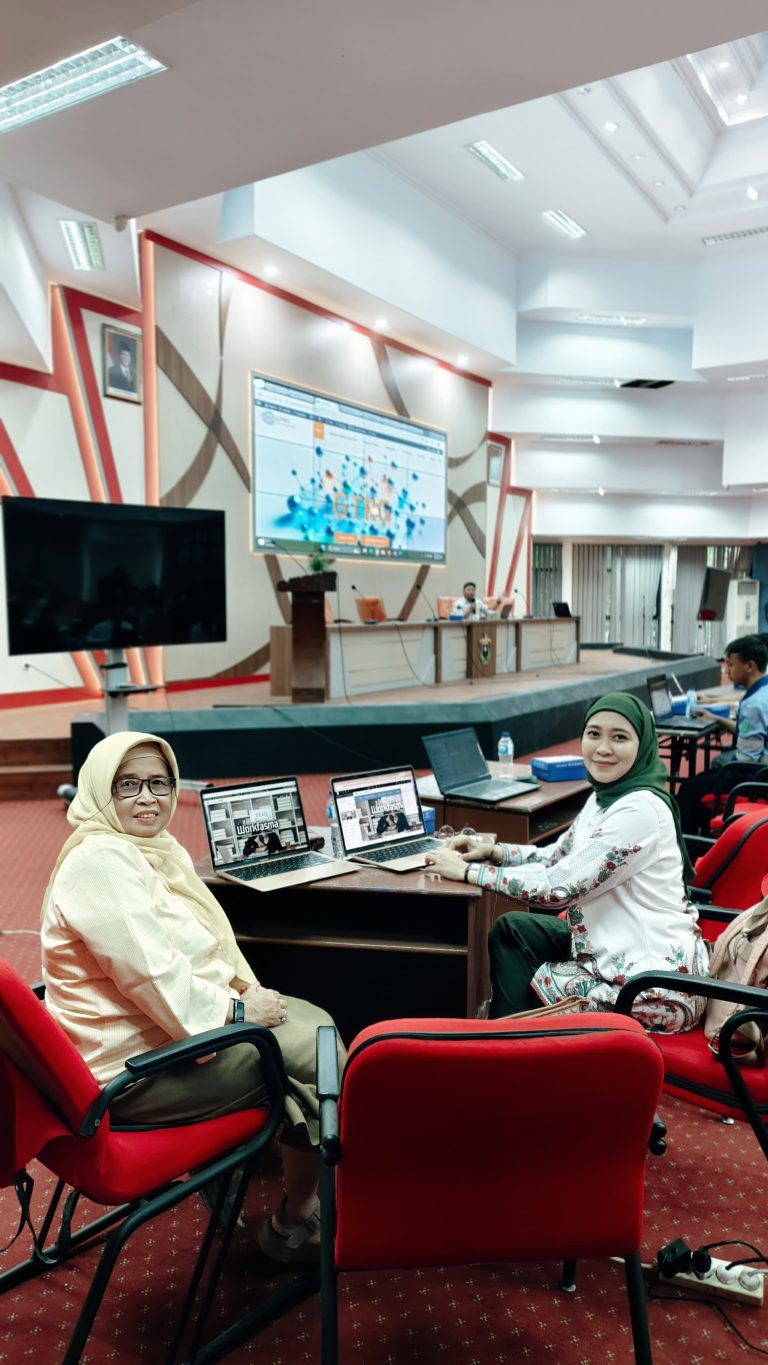
In an increasingly interconnected world, the ability to effectively manage digital platforms and ensure cybersecurity has become a critical competence across institutions. Responding to this need, a training activity entitled “Web RTG and Cybersecurity Training” was successfully conducted at PTIK Universitas Hasanuddin. This initiative aimed to enhance participants’ knowledge and technical capacity in updating web-based activities while simultaneously strengthening awareness and practices related to cybersecurity.
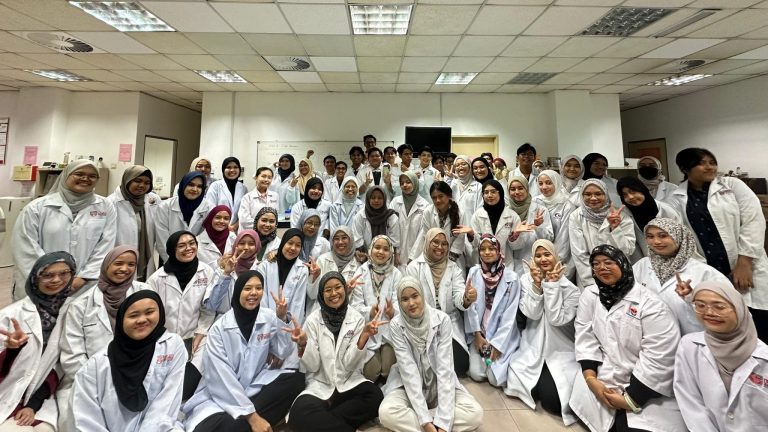
The training, held on April 1, 2026, brought together 40 participants from diverse academic and professional backgrounds. The program was further enriched by collaboration with an international partner from Japan, reflecting a shared commitment to advancing global standards in digital literacy and security practices. One of the key contributors to this activity was Faradhiba Febriyanti, whose active involvement demonstrated the important role of students in bridging knowledge and innovation within academic communities.
The core objective of the training was to equip participants with practical skills in managing RTG (Research and Technology Group) web platforms. Participants were guided through structured sessions that covered content updating, system navigation, and data management. In parallel, cybersecurity modules addressed essential topics such as data protection, secure login practices, and risk mitigation strategies in web usage. This dual approach ensured that participants not only improved their technical competencies but also developed a responsible and secure mindset in digital environments.
From a broader perspective, this activity aligns with several Sustainable Development Goals (SDGs). Specifically, it contributes to SDG 1: No Poverty by empowering individuals with digital skills that can improve access to economic opportunities in the digital sector. It also strongly supports SDG 4: Quality Education, as the training provides inclusive and practical learning experiences that enhance lifelong learning competencies. Furthermore, the collaboration with international partners highlights the relevance of SDG 17: Partnerships for the Goals, emphasizing the importance of cross-border cooperation in addressing global challenges related to technology and education.
Beyond technical outcomes, the training fostered an environment of collaboration and knowledge exchange. Participants actively engaged in discussions, shared experiences, and explored solutions to real-world challenges in web management and cybersecurity. This interactive approach not only strengthened understanding but also built a network of individuals committed to continuous learning and innovation.
In conclusion, the Web RTG and Cybersecurity Training represents a strategic effort to advance digital competence and security awareness within the academic community. By integrating practical skills, international collaboration, and alignment with global development goals, this initiative serves as a valuable model for future capacity-building programs in the digital era.