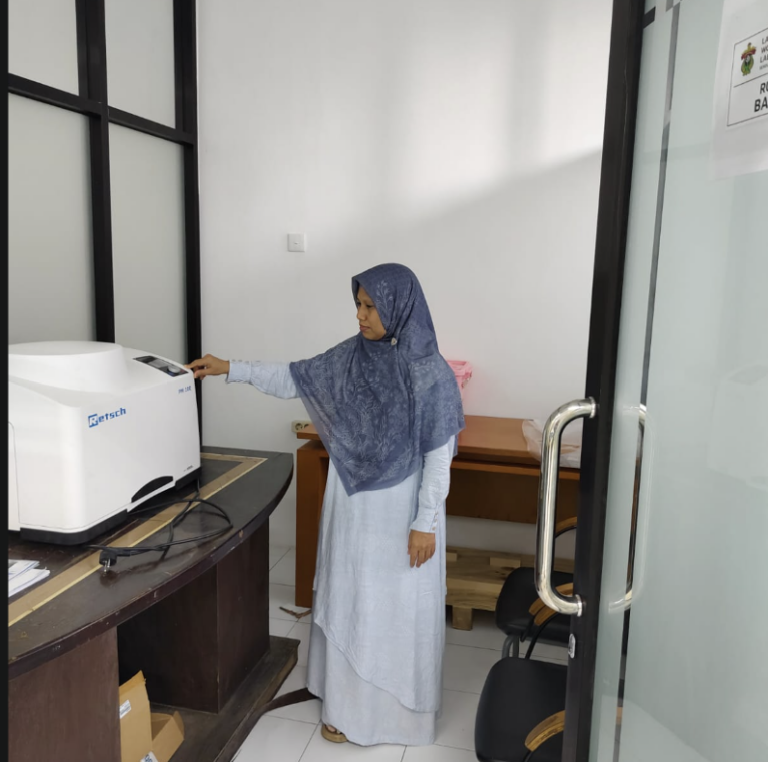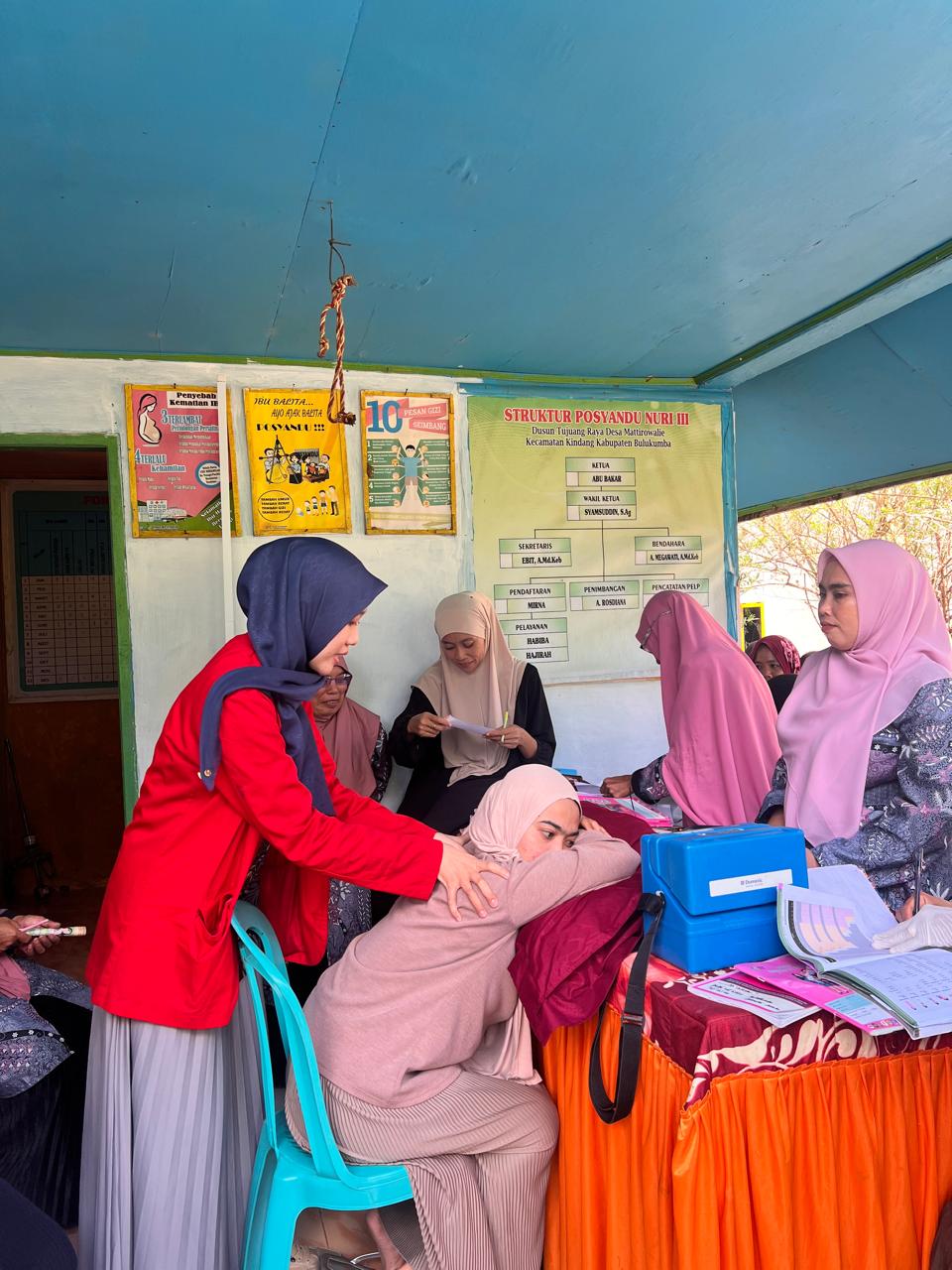

Community engagement plays a vital role in elevating healthcare accessibility and maternal well-being in rural areas. On July 11, 2026, a community service initiative took place in Mattirowalie Village, Kindang District, Bulukumba Regency. Designed to support maternal recovery and encourage optimal lactation, the program delivered comprehensive education and practical demonstrations on complementary oxytocin massage therapy using specialized Dermaheal oil products to a targeted group of 25 participants.
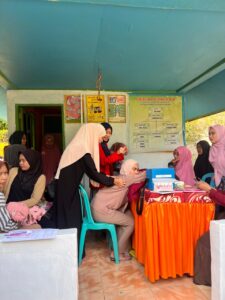
The postpartum period represents a delicate phase for mothers, demanding proper physical recovery and emotional support. Oxytocin, often referred to as the “love hormone,” plays a pivotal role in facilitating uterine contractions and stimulating the milk ejection reflex. By integrating gentle back massage techniques with the localized application of Dermaheal oil, this natural intervention helps reduce stress levels, alleviate bodily tension, and enhance breast milk production. The specialized formulation of Dermaheal oil further provides therapeutic benefits, soothing the skin and enhancing the overall relaxing effect of the massage.
During the session, healthcare facilitators provided clear theoretical explanations regarding the physiological benefits of oxytocin massage. This was followed by a hands-on demonstration, allowing mothers and local caregivers to practice the proper massage pressure and techniques safely. By actively involving the community, the program ensures that these accessible practices can be continued independently at home to support post-natal recovery.
This initiative directly aligns with key Sustainable Development Goals (SDGs). Most notably, it advances SDG 3: Good Health and Well-being by improving maternal health outcomes, supporting safe infant nutrition through enhanced lactation, and offering non-invasive complementary therapies at the community level. Furthermore, the program contributes significantly to SDG 4: Quality Education by delivering essential health literacy and practical skills directly to rural women, empowering them with knowledge to manage their health proactively.
The success of this activity was made possible through collaborative efforts among academic institutions, health practitioners, local government authorities, and the residents of Mattirowalie Village. This cross-sectoral engagement exemplifies SDG 17: Partnerships for the Goals, demonstrating how collective resource-sharing and community-focused cooperation drive sustainable local development and improve public health outcomes.
Through targeted educational sessions and practical interventions like this, rural communities gain sustainable tools to foster maternal and child health, paving the way for healthier future generations.