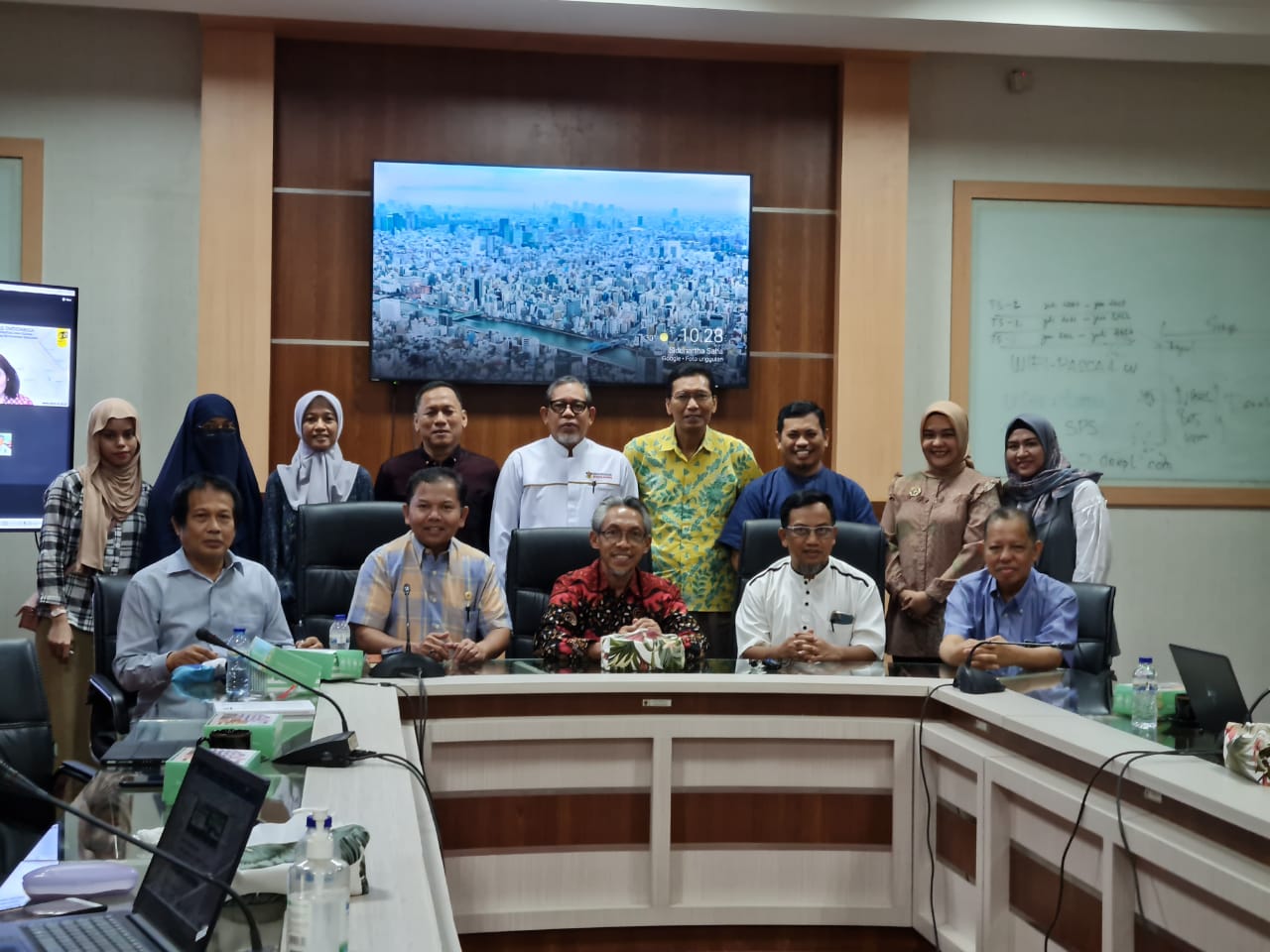

On May 13, 2024, the Graduate School of Hasanuddin University marked a significant milestone in its academic expansion by convening a strategic meeting for the Task Force for the Establishment of a Masters Program in National Resilience Studies. Held at the Graduate School Hasanuddin, this gathering brought together 25 participants consisting of academic experts, stakeholders, and internal university leaders. The primary objective of this task force is to meticulously prepare the structural and academic foundations for a new program dedicated to navigating the complex landscape of modern national security and stability.
The establishment of this program is a proactive response to the evolving global challenges that threaten institutional and social stability. By forming this specialized team, Hasanuddin University (Unhas) ensures that the proposed curriculum meets rigorous academic quality standards while remaining deeply relevant to the strategic needs of the nation. The task force is charged with developing a multidisciplinary framework that bridges the gap between theoretical research and practical policy application, ensuring that future graduates are equipped to lead in various sectors of governance and defense.
Central to this initiative is its alignment with global sustainability frameworks. The Master’s Program in National Resilience Studies is designed to directly contribute to SDG 4: Quality Education. By fostering advanced research and specialized knowledge in resilience, the program ensures inclusive and equitable quality education, promoting lifelong learning opportunities for future leaders. Furthermore, the program recognizes that national stability is a prerequisite for economic prosperity, thereby supporting SDG 1: No Poverty. A resilient nation is better equipped to protect its most vulnerable populations from systemic shocks, ensuring that social safety nets remain intact during times of crisis.
In a world defined by interconnected risks, the task force emphasizes that no single entity can achieve security in isolation. Consequently, this initiative is a realization of SDG 17: Partnerships for the Goals. The program aims to strengthen the means of implementation and revitalize global partnerships for sustainable development by collaborating with government agencies, military institutions, and international academic bodies. These synergies are vital for creating a robust academic environment that can address multifaceted threats—ranging from economic instability to geopolitical tensions.
Beyond these core pillars, the task force explored the program’s relevance to SDG 3: Good Health and Well-being, particularly in the context of health security and disaster management. By integrating these diverse scientific perspectives, the Task Force for the Establishment of a Masters Program in National Resilience Studies ensures that the new program will not only be an academic triumph but also a cornerstone of Indonesia’s future defense and developmental strategy. The meeting concluded with a unified commitment from the 25 participants to expedite the accreditation process, ensuring that Hasanuddin University remains at the forefront of national intellectual contributions. Through this initiative, Unhas reaffirms its role as a beacon of knowledge and a guardian of national sovereignty.