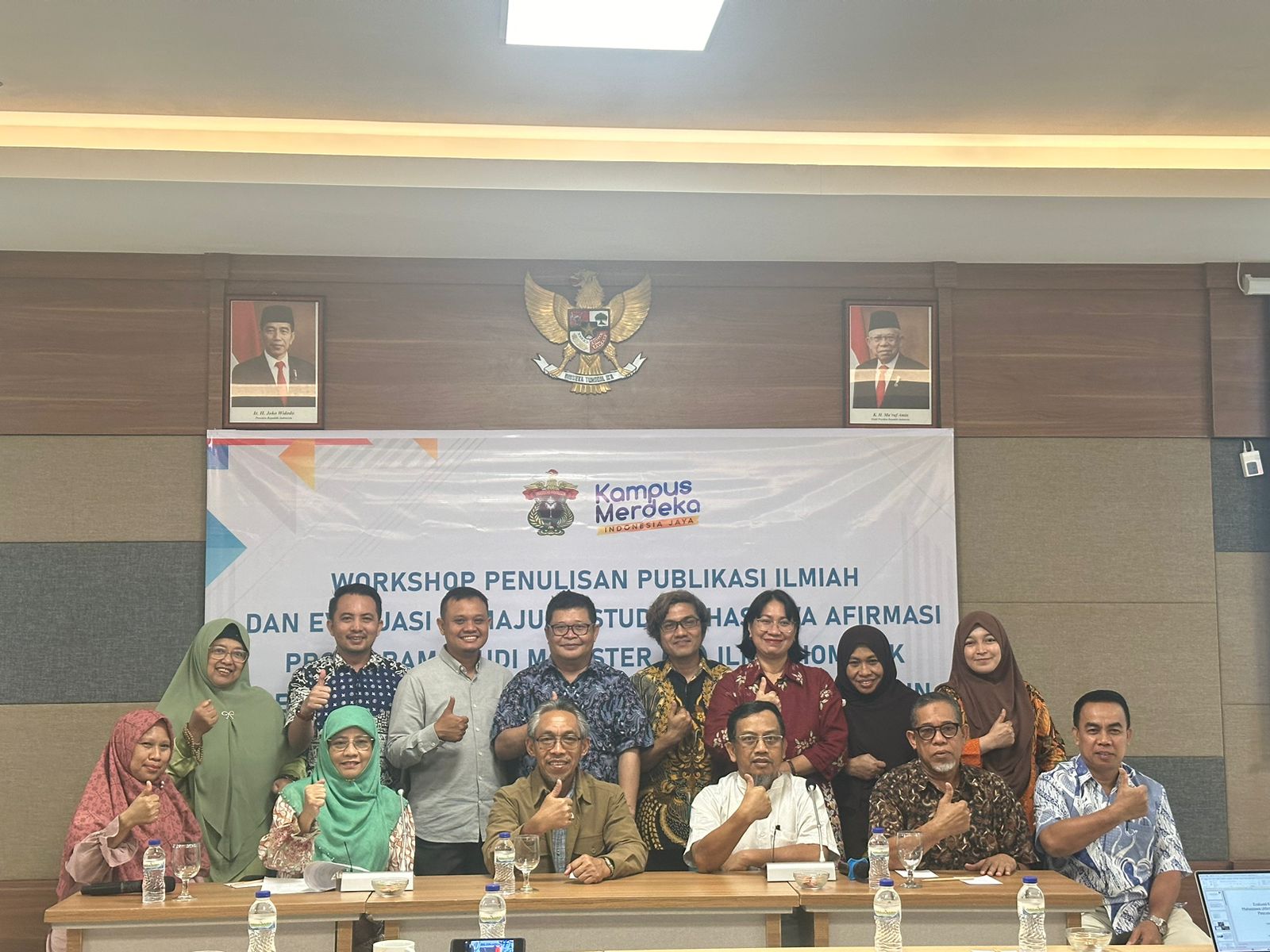

The landscape of higher education is rapidly evolving, demanding not only rigorous research but also the ability to communicate findings to a global audience. On July 5, 2024, an intensive and transformative event titled “Workshop Writing Scientific Publications and Evaluation of Affirmative Student Study Progress” was successfully convened. Hosted at the prestigious Hotel Unhas and Convention, this gathering served as a critical nexus for academic development and strategic evaluation. The primary purpose of this training was to equip students with the skills needed to write quality scientific publications and disseminate study progress effectively, ensuring that their contributions to the scientific community are both impactful and enduring.
The workshop brought together a dedicated group of 30 participants, each committed to refining their scholarly output. The narrative of the day focused on the technicalities of manuscript preparation, the nuances of the peer-review process, and the strategic importance of tracking academic milestones. By fostering an environment of collaborative learning, the event empowered these emerging scholars to bridge the gap between raw data and polished, publishable research. This initiative is a testament to the institutional commitment to nurturing high-caliber researchers capable of addressing complex global challenges through evidence-based solutions.
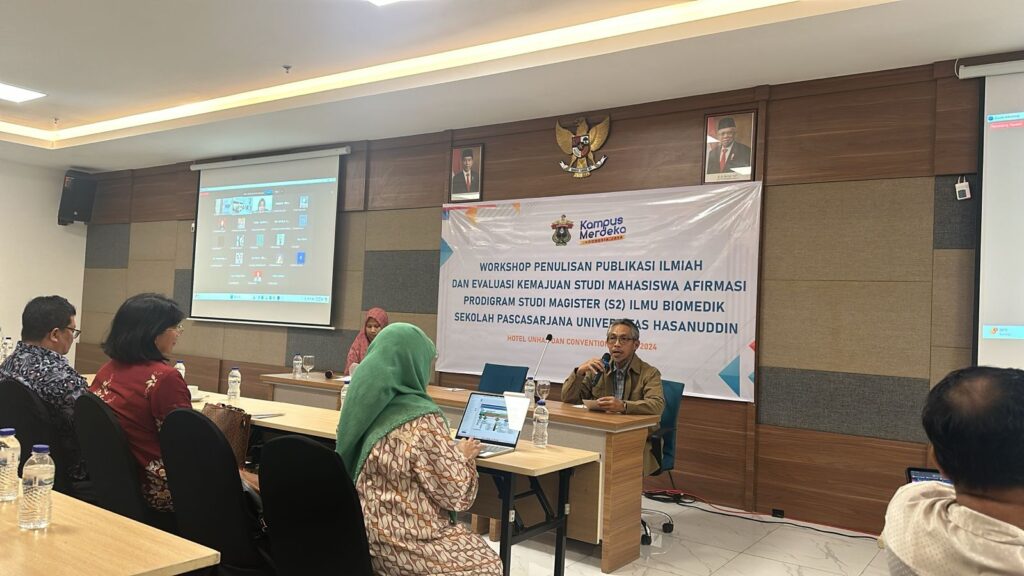
Central to the workshop’s mission was its alignment with the United Nations Sustainable Development Goals (SDGs), which provide a universal blueprint for peace and prosperity. The program explicitly addressed SDG 4: Quality Education by providing inclusive and equitable quality training that enhances the technical competencies of students. By improving the quality of scientific writing, the workshop ensures that educational outcomes are translated into tangible knowledge shared with the world. Furthermore, the event underscored the importance of SDG 1: No Poverty. While seemingly indirect, the promotion of high-level academic skills and research excellence creates pathways for socio-economic mobility, enabling graduates to secure professional opportunities that contribute to poverty reduction within their communities.
The spirit of collaboration was the driving force behind the day’s success, directly reflecting SDG 17: Partnerships for the Goals. The synergy between faculty mentors, administrative units, and the students created a robust framework for academic support. This partnership is essential for building a sustainable research ecosystem where knowledge is not just produced but effectively disseminated to influence policy and practice.
As the 30 participants engaged in peer-review simulations and progress evaluations, the atmosphere at Hotel Unhas and Convention was one of focused ambition. The evaluation of affirmative study progress ensured that no student was left behind, providing a structured pathway for those requiring additional support to meet rigorous international standards. In conclusion, the “Workshop Writing Scientific Publications and Evaluation of Affirmative Student Study Progress” held on July 5, 2024, stands as a landmark activity in promoting scholarly integrity and academic resilience. By integrating the core values of SDG 1, SDG 4, and SDG 17, the program has laid a solid foundation for the next generation of researchers to contribute meaningfully to the global scientific dialogue.