
As part of a strategic effort to improve neonatal health outcomes, the Faculty of Nursing, Hasanuddin University implemented a community-based program titled “Holistic Intervention in the Care of Small Infants: Synergy between the MCH Handbook and Health Coaching to Improve Quality of Care.” This initiative reflects a collaborative and evidence-based approach to addressing challenges in infant care, particularly in reducing infant mortality and enhancing optimal growth and development among small infants.
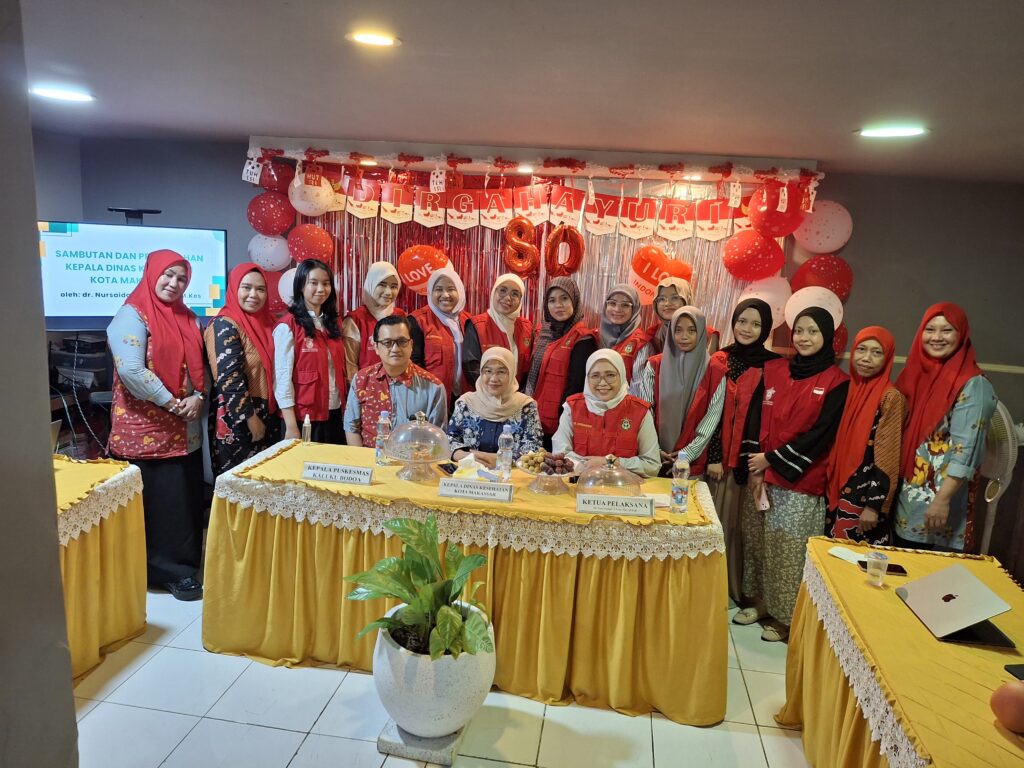
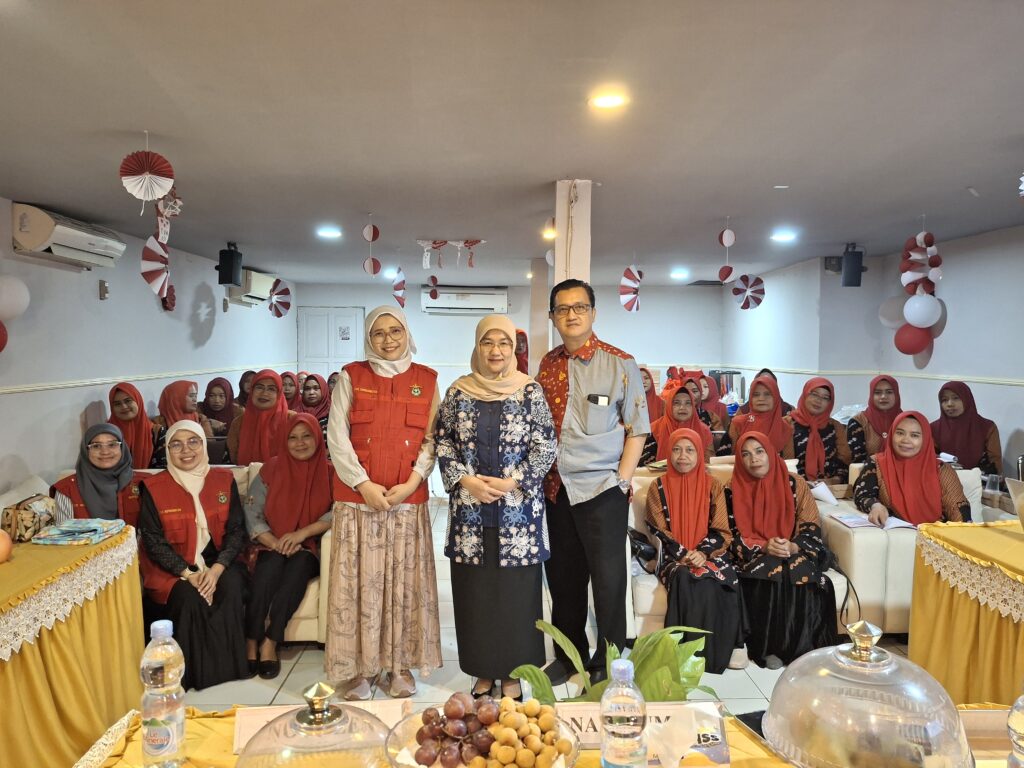
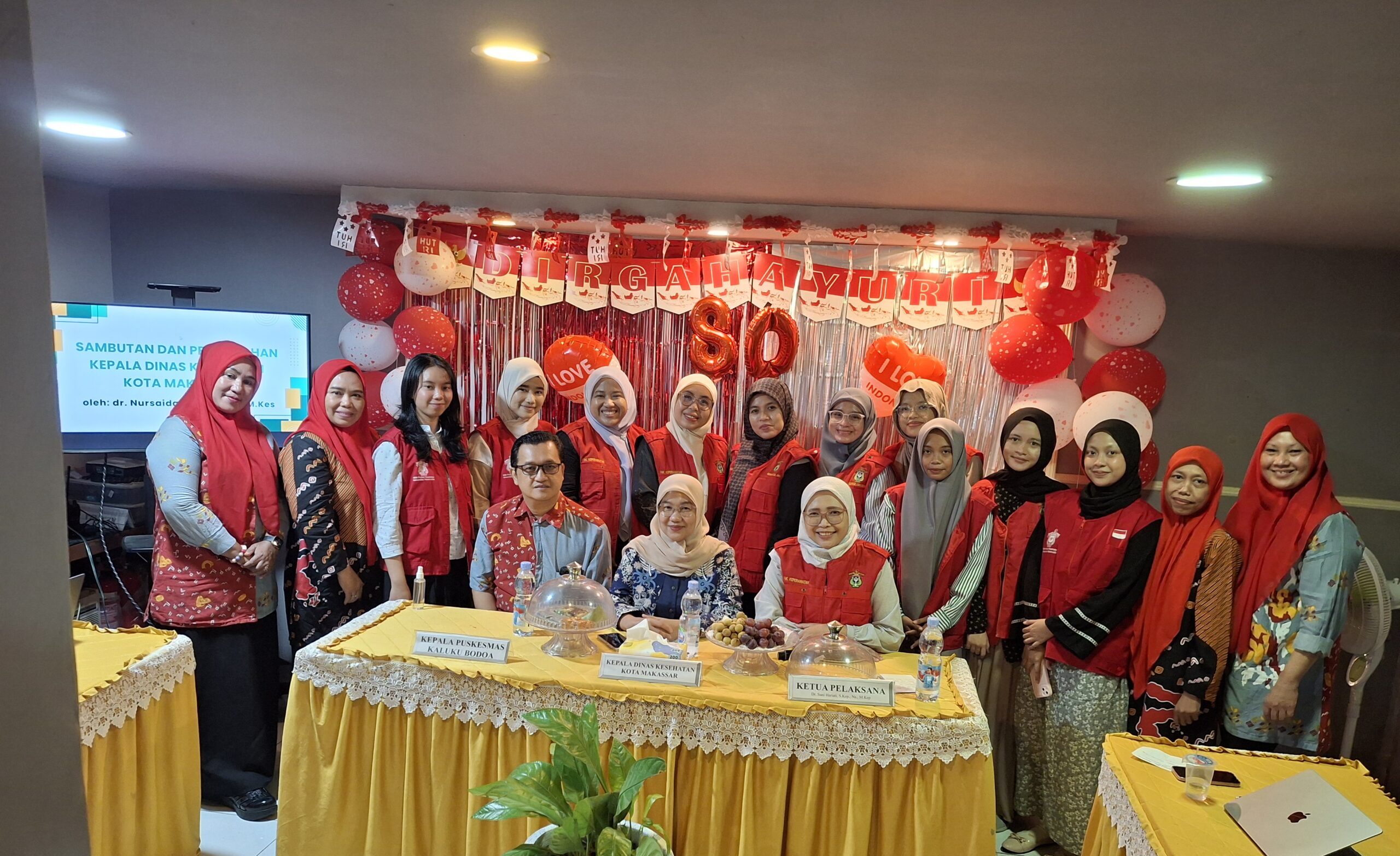
The activity was conducted at Puskesmas Kaluku Bodoa, Makassar City on 23 August 2025, involving 25 midwives and community health cadres, 6 students, the Head of Makassar City Health Office (dr. Nursaidah Sirajuddin, M.Kes), the Head of Puskesmas Kaluku Bodoa (dr. Rudi Lautan), and lecturers from the Faculty of Nursing Universitas Hasanuddin: Dr. Suni Hariati, S.Kep., Ns., M.Kep; Dr. Erfina, S.Kep., Ns., M.Kep; Dr. Tuti Seniwati, S.Kep., Ns., M.Kes; Nurmaulid, S.Kep., Ns., M.Kep; and Andiriani, S.Kep., Ns., M.Kes. This diverse group of participants ensured a multidisciplinary and collaborative learning environment.
The primary objective of this program was to prevent and reduce infant mortality while improving the growth and developmental outcomes of small infants. The intervention emphasized the integration of the Maternal and Child Health (MCH) Handbook (Buku KIA) with health coaching strategies. The MCH Handbook serves as a comprehensive tool for monitoring maternal and child health, while health coaching empowers healthcare providers and caregivers to deliver personalized, consistent, and behavior-oriented care.
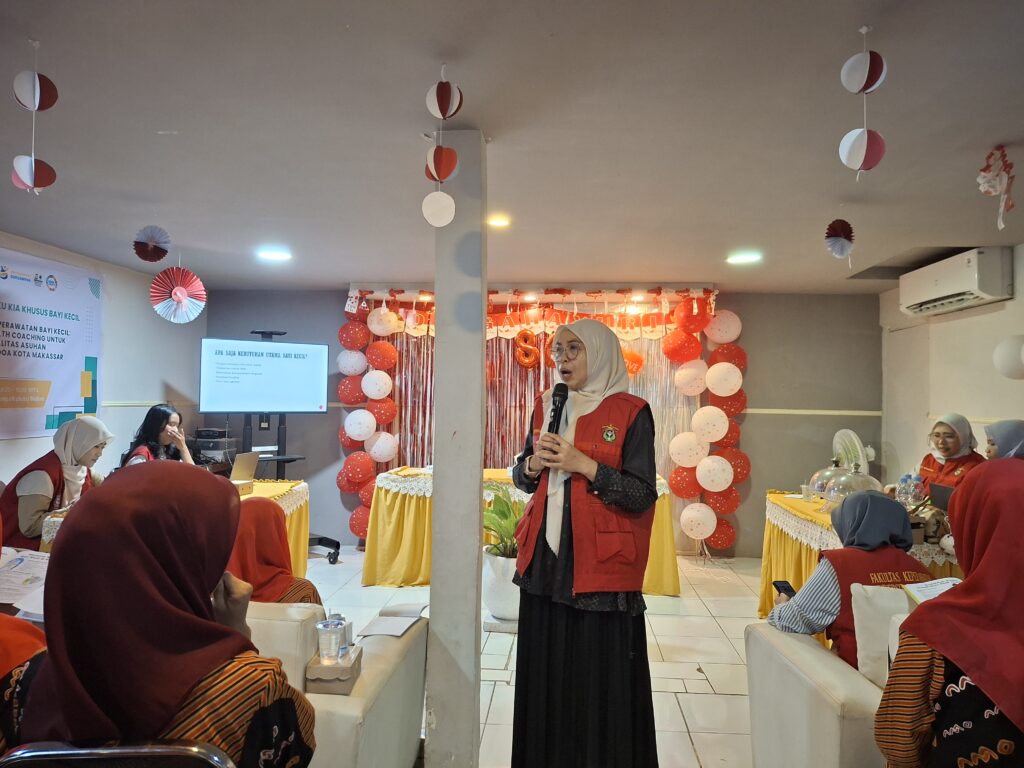
Through a series of interactive sessions, demonstrations, and practical discussions, participants were equipped with knowledge and skills to optimize the use of the MCH Handbook in routine care. In addition, health coaching techniques were introduced to enhance communication, strengthen caregiver engagement, and support behavior change among families. This approach ensures that care is not only clinically appropriate but also responsive to the social and cultural context of the community.
Importantly, this initiative aligns with several Sustainable Development Goals (SDGs), explicitly contributing to SDG 1: No Poverty, SDG 3: Good Health and Well-being, SDG 4: Quality Education, and SDG 17: Partnerships for the Goals. By improving the quality of infant care and promoting early interventions, the program contributes to reducing health disparities that are often linked to poverty (SDG 1). The focus on maternal and child health directly supports SDG 3, aiming to reduce neonatal and infant mortality rates. Furthermore, the educational component of the program, which enhances the competencies of healthcare workers and students, reflects SDG 4. The collaboration between academic institutions, healthcare providers, and local government stakeholders exemplifies SDG 17, highlighting the importance of partnerships in achieving sustainable health outcomes.
Overall, this activity represents a significant step toward strengthening community-based healthcare services. By integrating structured health tools with empowering communication strategies, the Faculty of Nursing Universitas Hasanuddin continues to contribute to the development of high-quality, sustainable, and people-centered healthcare practices.