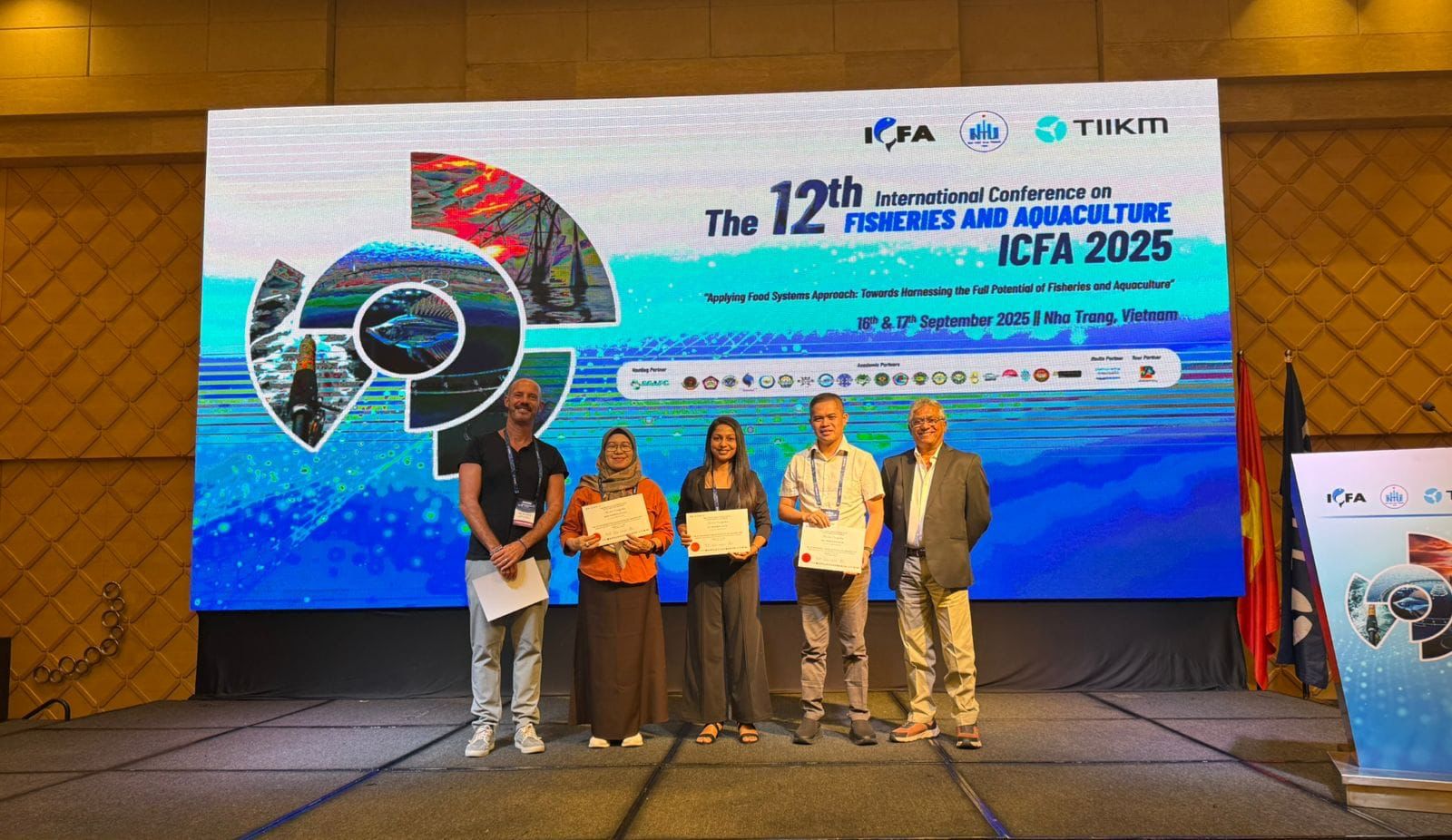

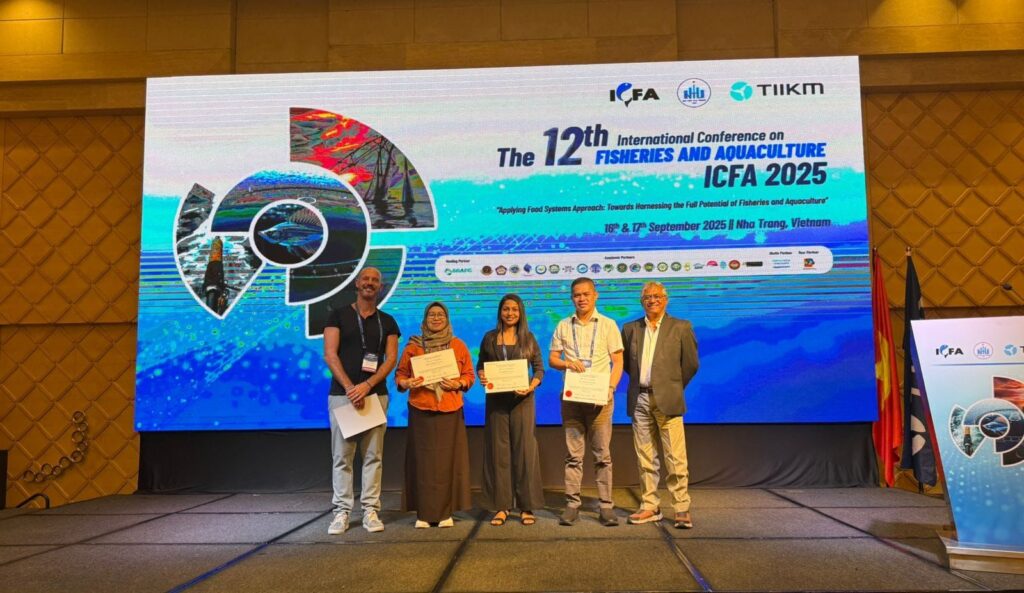
Nha Trang, September 17, 2025 – In an era defined by global climate challenges, marine ecosystem vulnerabilities, and growing food security demands, leading international scientists, academic researchers, and industry leaders gathered in the coastal city of Nha Trang, Vietnam, for the prestigious 13th International Conference on Fisheries and Aquaculture (ICFA 2025).
Convened from September 16–17, 2025, this milestone scientific forum successfully brought together 138 participants from 28 countries. Organized by The International Institute of Knowledge Management (TIIKM) alongside a distinguished international consortium of academic partners—including Davao Oriental State University, Università Politecnica delle Marche, World Aquaculture Society (Asian Pacific Chapter), Asian Institute of Technology, Vidyasagar University, Curtin University Malaysia, and the Marine and Fisheries Polytechnic of Jembrana, Indonesia—the conference provided a dynamic platform dedicated to sharing groundbreaking research findings, exploring technological innovations, and expanding global professional networking across the aquatic science sector.
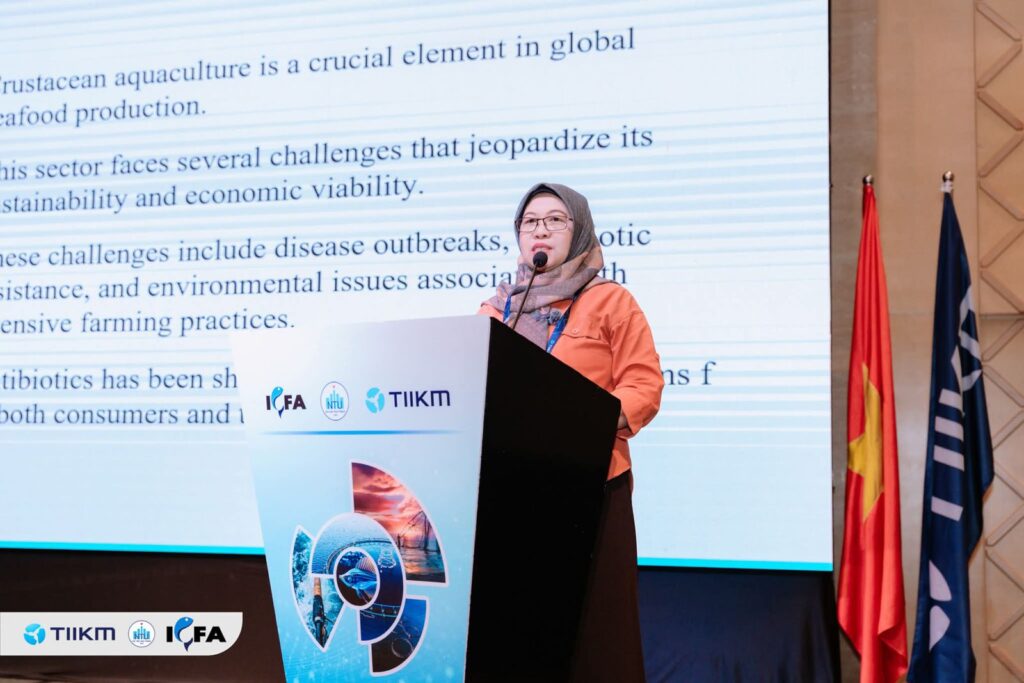
Representing Indonesia as a featured oral presenter, Prof. Yushinta Fujaya delivered a compelling scientific presentation titled “Phytobiotics in Crustacean Aquaculture: Innovations in Herbal-Based Solution”. Her research highlighted eco-friendly, natural alternatives to commercial synthetic antibiotics in crab and shrimp farming, demonstrating how botanical extracts can significantly boost crustacean immune responses, enhance larval survival rates, and mitigate devastating disease outbreaks without compromising aquatic environment safety. Throughout the two-day summit, participants engaged in rigorous technical sessions covering climate-resilient aquaculture, feed formulation, and sustainable seafood supply chains, enabling delegates to forge vital international research partnerships and exchange actionable strategies for sustainable coastal development.
This international conference explicitly exemplifies several essential Sustainable Development Goals (SDGs). By establishing an inclusive global forum uniting academic institutions, research centers, and international consortiums across multiple continents, the event directly embodies SDG 17: Partnerships for the Goals, demonstrating how cross-border scientific cooperation accelerates technology transfer and interdisciplinary problem-solving. Furthermore, by providing open access to cutting-edge research, fostering intellectual exchange, and empowering early-career marine scientists, the conference actively advances SDG 4: Quality Education, strengthening higher education capacity, scientific capability, and promoting lifelong learning in aquatic sciences.
The strong emphasis on eco-friendly phytobiotic solutions and sustainable health management directly aligns with SDG 14: Life Below Water, as non-chemical aquaculture practices prevent harmful pharmaceutical pollution in coastal waters, protect delicate marine biomes, and safeguard wild aquatic biodiversity. Ultimately, translating these green aquaculture innovations into field-level farming applications directly addresses SDG 1: No Poverty. By reducing disease-induced crop failures, stabilizing harvest yields, and bolstering profit margins for smallholder seafood producers, the initiative protects coastal livelihoods, elevates family incomes, and secures long-term economic resilience for vulnerable fishing communities worldwide. Through ICFA 2025 in Nha Trang, the global marine scientific community continues to drive science-backed solutions for sustainable seafood production and ocean stewardship.