

MAKASSAR, Indonesia August 31 2026/TILATECH/- Herbal Power in Water: How Bio-Enriched Extracts Shield Tilapia Farming
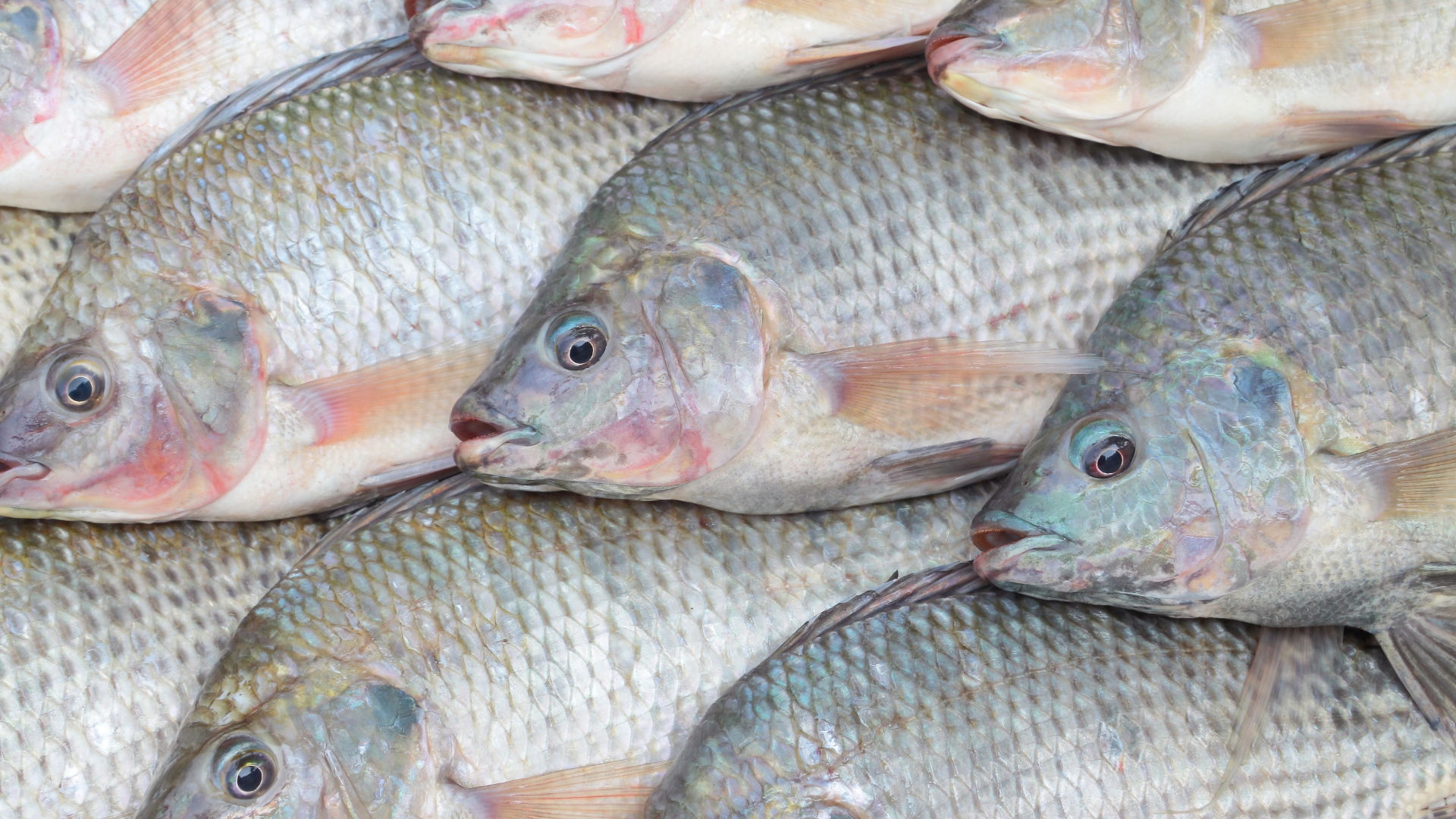
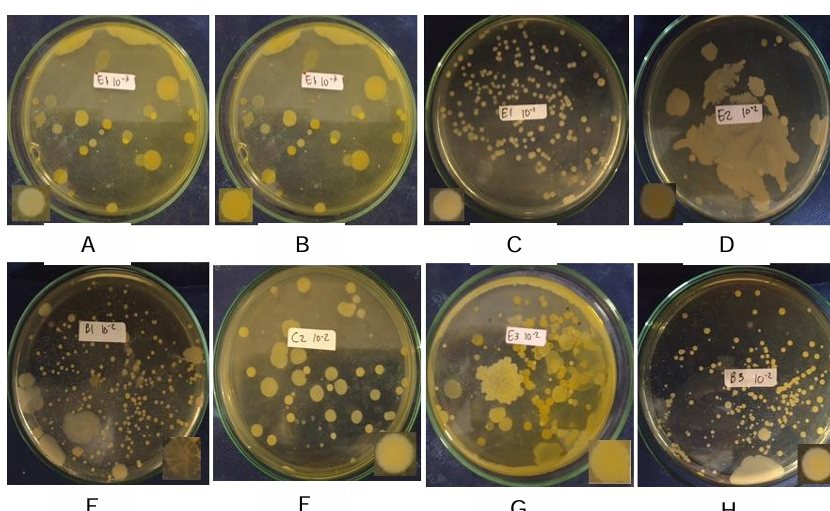
Aquaculture plays an increasingly central role in global food production, with Nile tilapia (Oreochromis niloticus) serving as a accessible source of protein for millions of consumers. However, intensive tilapia farming often suffers from rapid water quality deterioration and high bacterial pathogen loads. When organic waste and ammonia levels accumulate, opportunistic bacteria surge, causing severe fish disease, high mortality, and heavy economic losses for small-scale farmer
MAKASSAR, Indonesia, August 31 2026/TILA-TECH/ - What if the key to growing healthier fish was already growing around us?
For fish farmers, feed is one of the biggest costs of aquaculture. Giving fish enough nutrients is essential for growth, but simply adding more feed does not always mean getting bigger fish. If nutrients are not properly absorbed, valuable feed can be wasted. This is why researchers are looking for natural ways to help fish use their feed more efficiently.
MAKASSAR, Indonesia August 31 2026/TILATECH/- Nature’s Shield: How a Common Green Leaf Can Save Global Freshwater Aquaculture
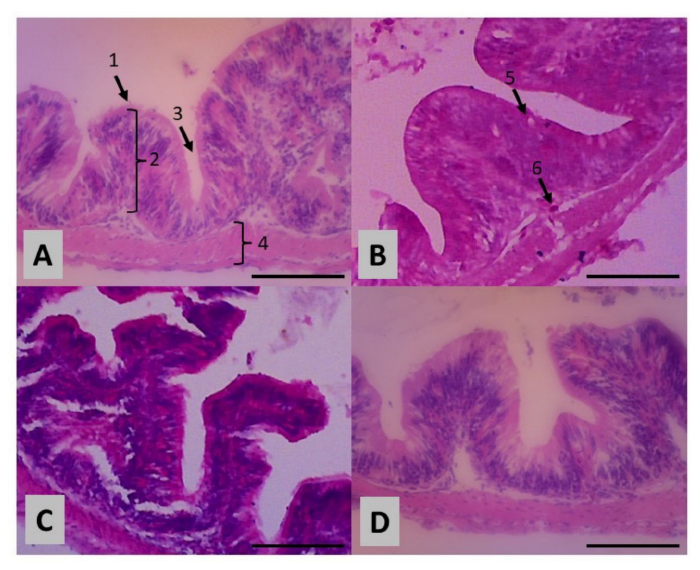
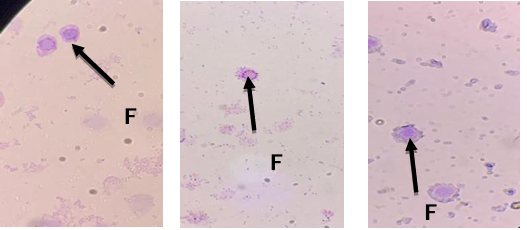
Aquaculture is fast becoming one of the most essential pillars for global food security, feeding billions of people worldwide. Among farmed species, the Nile Tilapia (Oreochromis niloticus) stands out as a nutritious and affordable staple. However, rapid intensification in fish farming brings a destructive menace: infectious bacterial outbreaks. One of the most severe bacterial threats is Aeromonas hydrophila, a harmful pathogen that causes Motile Aeromonas Septicemia (MAS). This disease leads to massive fish mortality and crippling financial losses for smallholder fish farmers.
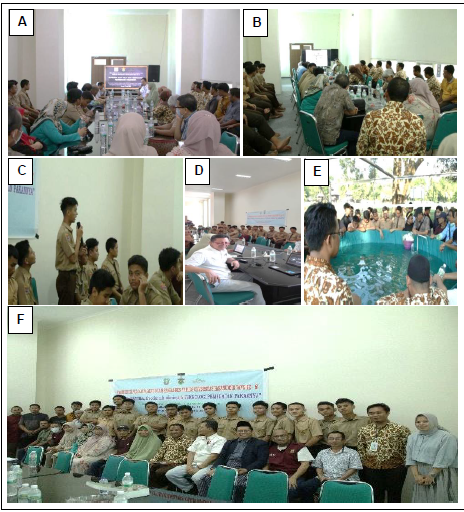
MAKASSAR, Indonesia Augus 31 2026/TILA-TECH/ - What if a fish pond could become more than a place to raise fish? What if it could also become a classroom, a source of income, and a place where young people learn skills for their future?
This idea was put into practice at Pondok Pesantren Modern Islam Shohwatul Is’ad (PPMI Shohid) in Pangkajene Kepulauan, South Sulawesi. Although the institution had land and water resources that could support tilapia farming, its teachers, staff, and students had limited knowledge and skills in aquaculture, feed production, and male tilapia seed production.
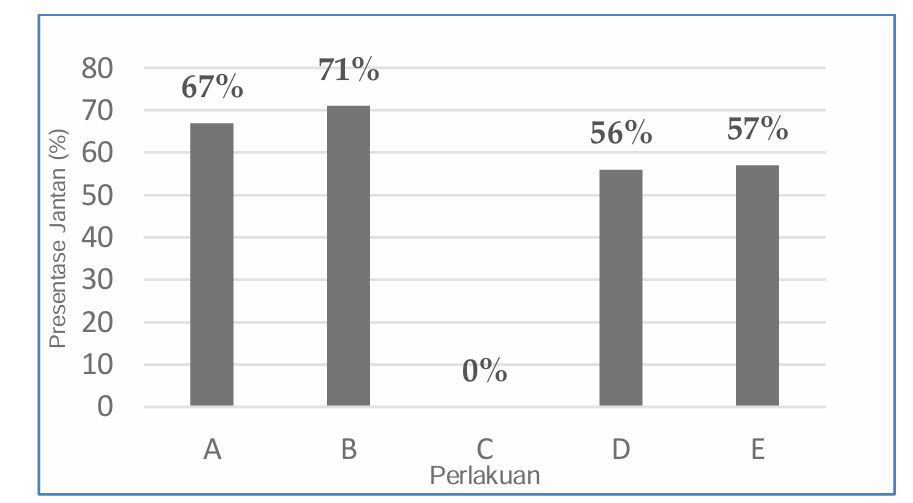
MAKASSAR, Indonesia August1 2026/TILATECH/- Sweetening the Future of Aquaculture: How Natural Honey Upgrades Guppy Breeding
In the vibrant world of ornamental fish farming, male guppies (Poecilia reticulata) are the undisputed stars. Renowned for their brilliant coloration, intricate fin patterns, and energetic swimming, male guppies command significantly higher market value than their plain female counterparts. To maximize profitability, breeders have long relied on a technique known as "sex reversal"—a process that manipulates early development to yield mostly male offspring. Traditionally, this is achieved using synthetic hormones such as 17α-methyltestosterone. However, these chemical additives carry severe drawbacks, including water pollution, toxic residues, and severe biological stress on aquatic life.
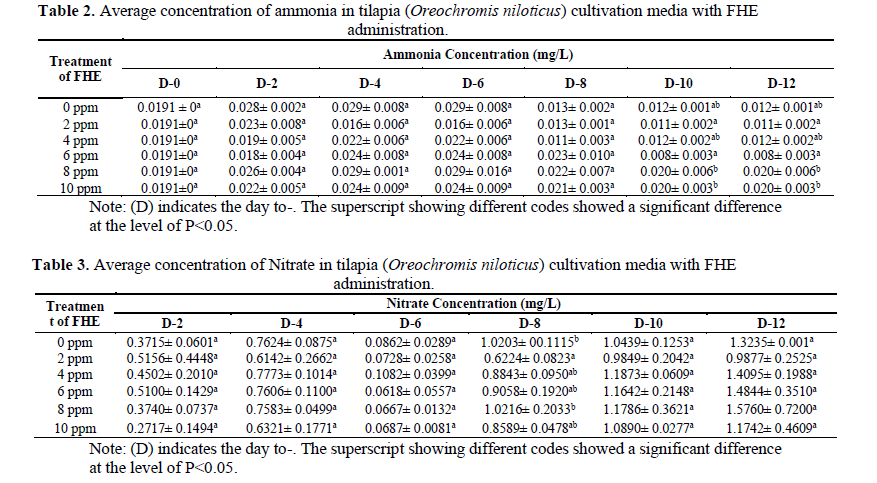
MAKASSAR, Indonesia August 31 2026/TILATECH/ - Tilapia may look like a simple fish to raise, but keeping it healthy requires more than food and a suitable tank. One of the biggest challenges in fish farming is something we cannot easily see: ammonia in the water.
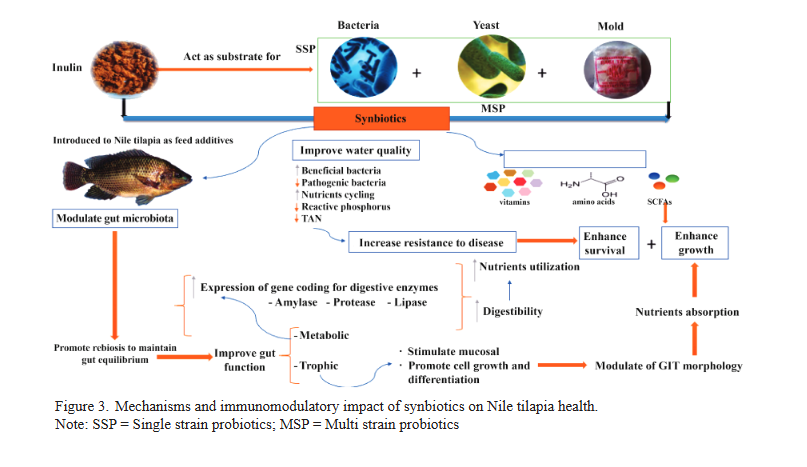
MAKASSAR, Indonesia 21 April 2026 /TILA-TECH/–What if the future of fish farming depended not on bigger tanks or more feed—but on invisible allies? Recent research is showing that microscopic organisms like probiotics and prebiotics can significantly improve how we grow one of the world’s most important aquaculture species: Nile tilapia.

MAKASSAR, Indonesia 21 April 2026 /TILA-TECH/– What if something considered waste from the sea could help produce better fish?
For many people, sea cucumber viscera—the internal organs of sea cucumbers—may seem like something to throw away. In aquaculture research, however, this material may have a second life. A recent study explored whether an extract made from sea cucumber viscera could support the growth and feeding performance of young Nile tilapia.