


Makassar, Indonesia, January, 23, 2026/SUSTRACCO/- Internal auditors play a crucial role in ensuring transparency and accountability within multinational companies. However, their independence—the ability to act objectively and without undue influence—often faces complex challenges. This article draws insights from a recent study titled “The dilemma of internal auditor independence in multinational companies: A phenomenological study,” published in the Edelweiss Applied Science and Technology journal by Learning Gate on January 23, 2026. The study explores the lived experiences of internal auditors in a multinational company operating in Indonesia, revealing how they navigate the delicate balance between professional integrity and organizational pressures.
Internal auditors are tasked with supervising internal controls and advising management to improve operational efficiency. However, in multinational settings, they encounter conflicting demands. They must comply with global corporate governance standards while adapting to local cultures and regulations. This duality creates tensions, especially when local management pressures auditors to soften findings or when auditors must maintain good working relationships without compromising their objectivity.
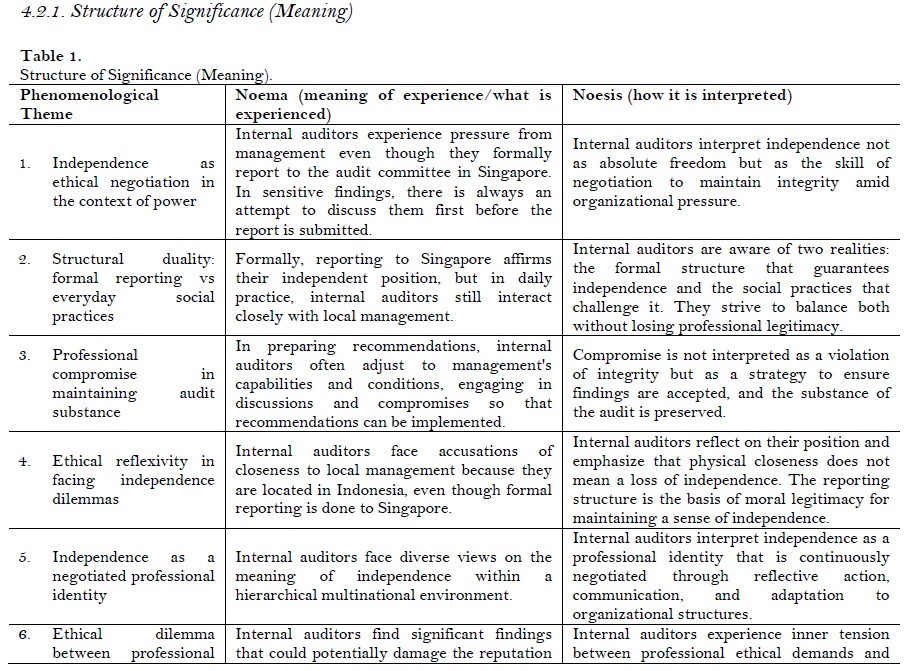
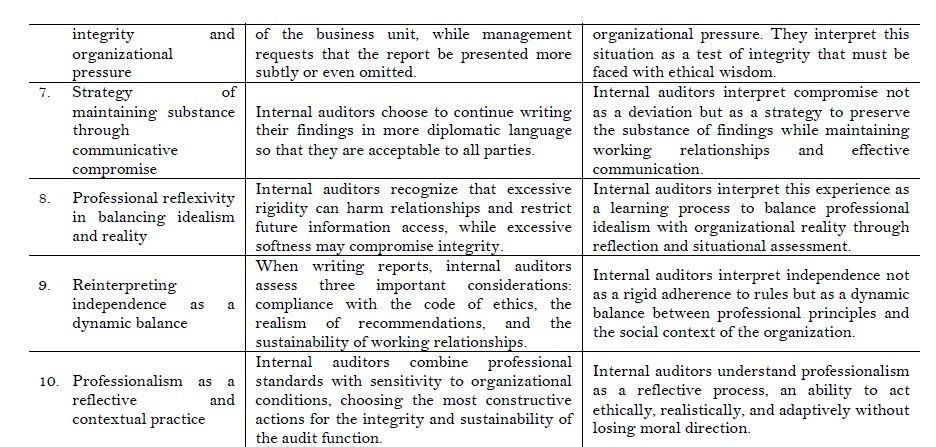
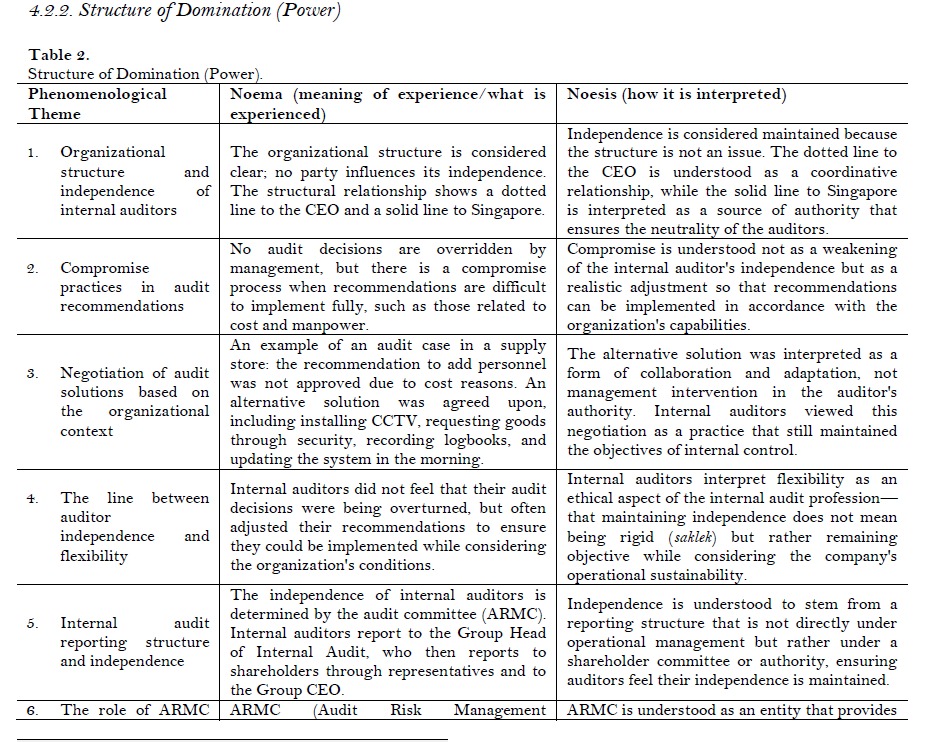
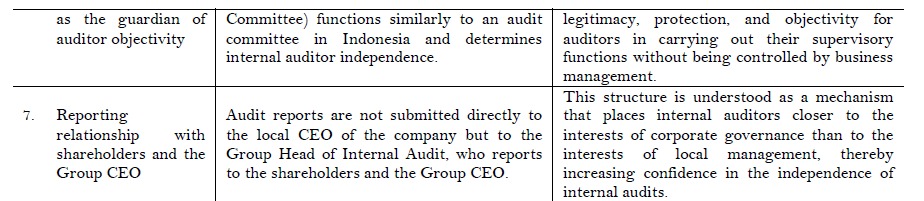
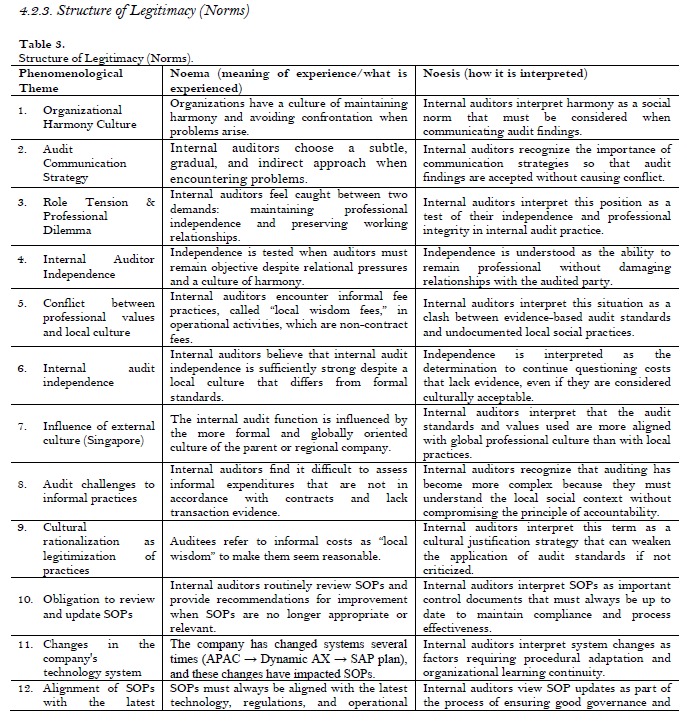
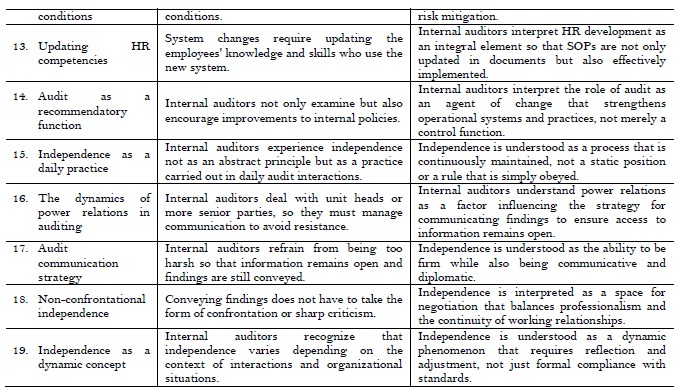
Using Anthony Giddens’ structuration theory, the study reveals that independence is not a fixed state but a dynamic social process. Auditors continuously negotiate their roles through communication, ethical reflection, and strategic compromise. For example, auditors may choose to present findings diplomatically to avoid confrontation while ensuring the substance of their audit remains intact. They also navigate power relations by negotiating solutions that balance professional standards with organizational realities.
This dynamic understanding of independence aligns with several Sustainable Development Goals (SDGs). Specifically, it supports SDG 16 (Peace, Justice, and Strong Institutions) by promoting transparent and accountable governance within organizations. Furthermore, it connects with SDG 8 (Decent Work and Economic Growth) by fostering ethical business practices that contribute to sustainable economic environments. The auditors’ role in maintaining integrity and ethical standards also indirectly supports SDG 4 (Quality Education) through the continuous development of professional competencies and reflective practices.
The study emphasizes the importance of strengthening auditors’ reflective competence and communication skills to uphold independence effectively. It also highlights the need for organizations to develop governance systems that respect local cultures while maintaining global standards. These insights provide valuable lessons for multinational companies striving to achieve sustainable and ethical business practices.
In conclusion, the independence of internal auditors in multinational companies is a complex but vital aspect of corporate governance. It requires continuous negotiation and adaptation, reflecting the interplay between global standards and local contexts. By embracing this dynamic approach, multinational companies can strengthen their governance frameworks, contributing to broader sustainable development goals.
Reference:
10.55214/2576-8484.v10i1.11865
Contact:
Prof. Syarifuddin, SE., M.Soc.,SC.,AK
081334348498
syarif1963@yahoo.com
syarifuddin@fe.unhas.ac.id


