

Makassar, Indonesia, July, 31, 2020/SUSTRACCO/- Biodiversity—the variety of life on Earth including plants, animals, and ecosystems—is fundamental to human survival and well-being. Yet, in Indonesia, a country rich in unique species and ecosystems, biodiversity is under threat from economic activities that prioritize short-term gains over long-term sustainability. A revealing study titled “Biodiversity accounting: uncover environmental destruction in Indonesia,” published in the Social Responsibility Journal by Emerald Group Publishing Ltd on July 31, 2020, sheds light on this critical issue.
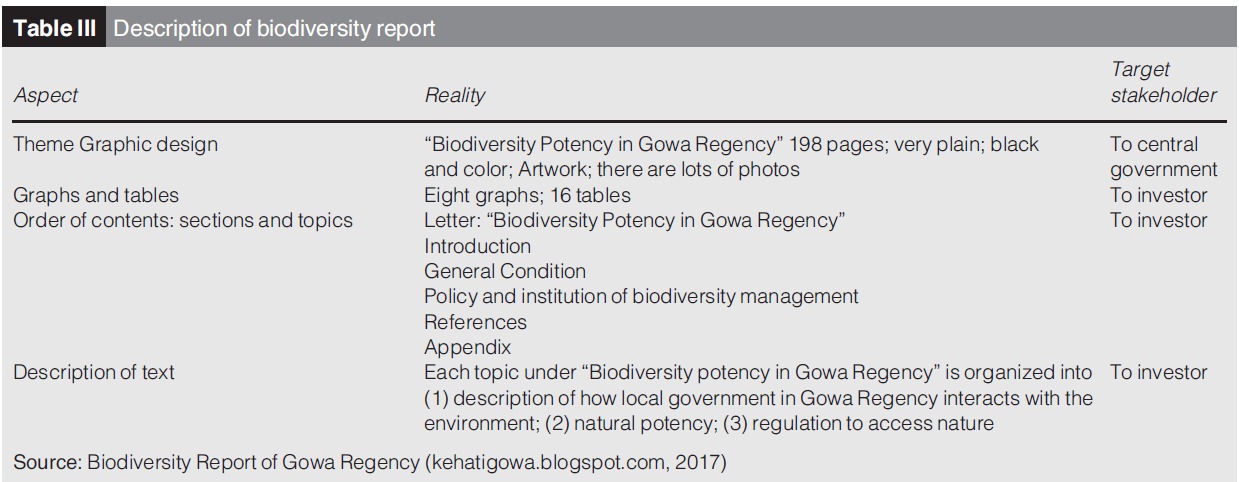
This research focuses on how local governments in South Sulawesi Province, Indonesia, report biodiversity in their official documents. The study found that these reports tend to emphasize the economic potential of natural resources rather than their conservation. For example, the biodiversity report from Gowa Regency highlights the area’s natural wealth primarily to attract investors, portraying nature as a resource to be exploited rather than preserved. This anthropocentric perspective—where human economic interests dominate—neglects the intrinsic value of biodiversity and the urgent need to protect it.
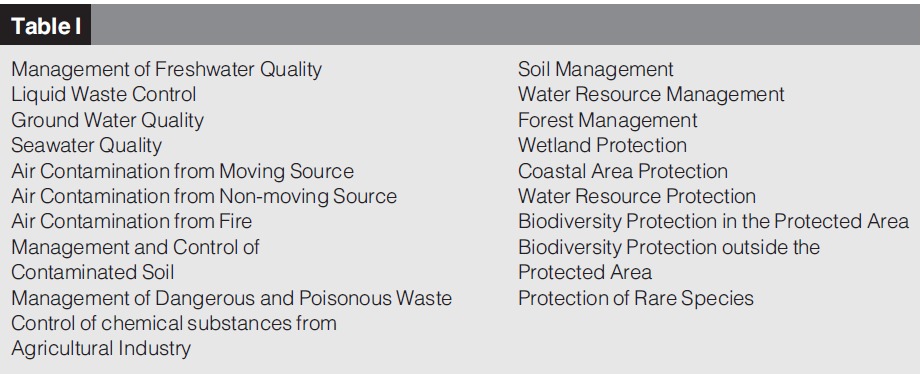
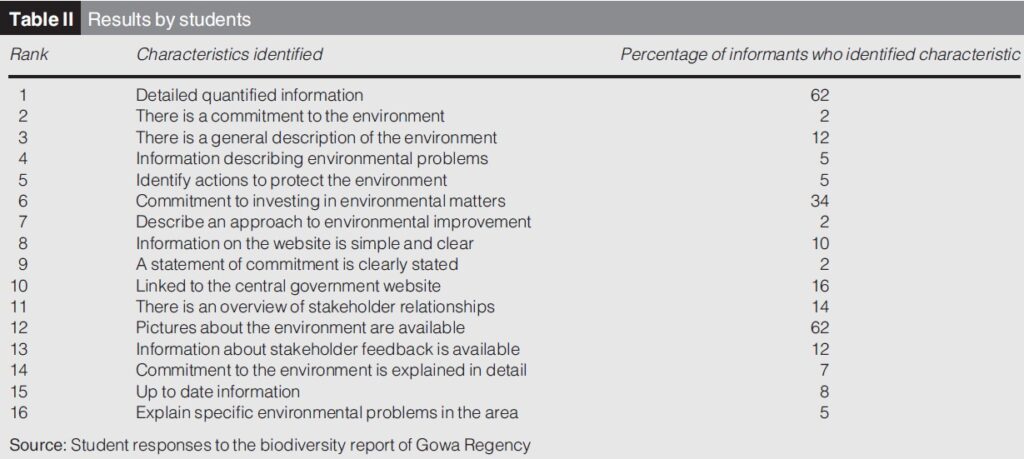
The study reveals that the local government’s biodiversity reports often lack detailed information on environmental problems and conservation efforts. Important data are missing or incomplete, and the reports tend to downplay negative environmental impacts to maintain a positive image. This approach, known as impression management, may obscure the real state of biodiversity and hinder public awareness and community involvement in conservation.
Connecting this to the United Nations Sustainable Development Goals (SDGs), this issue relates closely to SDG 15: Life on Land, which aims to protect, restore, and promote sustainable use of terrestrial ecosystems and halt biodiversity loss. It also touches on SDG 1 (No Poverty), SDG 3 (Good Health and Well-being), SDG 4 (Quality Education), SDG 14 (Life Below Water), and SDG 17 (Partnerships for the Goals), as biodiversity preservation supports livelihoods, health, education, aquatic ecosystems, and collaborative efforts.
This study highlights the urgent need for Indonesian local governments to improve biodiversity accounting by providing transparent, comprehensive, and balanced reports. Such efforts can foster better environmental stewardship, inform stakeholders truthfully, and support sustainable development that balances economic growth with the preservation of nature.
By understanding and improving biodiversity accounting, Indonesia can better protect its rich natural heritage and contribute meaningfully to global sustainability goals.
Reference:
https://doi.org/10.1108/SRJ-11-2018-0291
Contact:
Prof. Syarifuddin, SE., M.Soc.,SC.,AK
081334348498
syarif1963@yahoo.com
syarifuddin@fe.unhas.ac.id


