


The Faculty of Marine Science and Fisheries at Hasanuddin University (FIKP UNHAS) successfully held the International Seminar on Marine Ranching Development in collaboration with Shanghai Ocean University and Guangdong Ocean University on October 28, 2024, at Hotel Unhas. This seminar is part of the Sino-Indonesia Technical Cooperation on Offshore Marine Eco-Ranching, focusing on using artificial reefs to support sustainable marine ecosystems and enhance the blue economy in Indonesia’s coastal areas.
The seminar was attended by 130 participants, including representatives from the Ministry of Marine Affairs and Fisheries, NGOs, academia, and media. Through this international seminar, FIKP UNHAS aims to provide tangible solutions for the restoration of Indonesia’s marine ecosystems while supporting food security and economic sustainability for coastal communities.
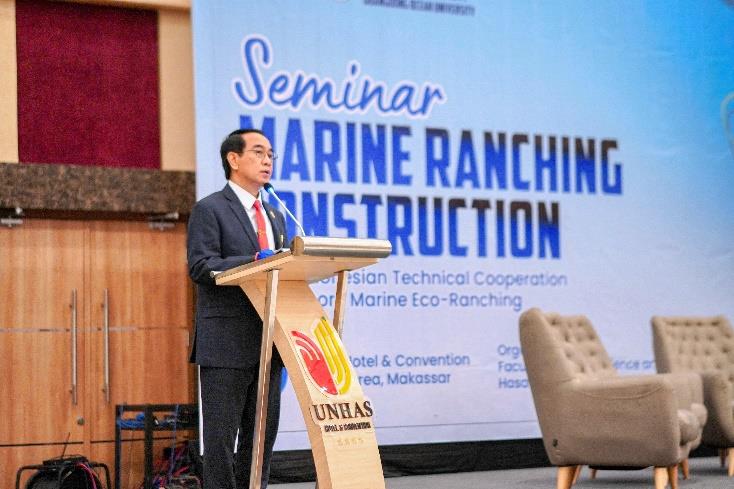
In his opening remarks, UNHAS Rector Prof. Jamaluddin Jompa emphasized the urgency of restoring underwater ecosystems, which are currently in critical condition. It is anticipated that this collaboration will significantly impact not only scientific knowledge and marine ecosystem conservation but also the welfare of coastal communities. The vulnerable state of underwater ecosystems was highlighted, with marine ranching presented as a solution that requires a multidisciplinary approach encompassing ecology, technology, and community economics.
During the seminar, Prof. Billin Liu, the Project Coordinator from the Chinese side, expressed pride in the partnership with UNHAS, supported by the Ministry of Foreign Affairs of China. The significant collaboration in the fields of conservation and marine research was underscored, with hopes that this seminar will serve as an important milestone in strengthening scientific relations between Indonesia and China, particularly in addressing shared challenges in the marine sector.
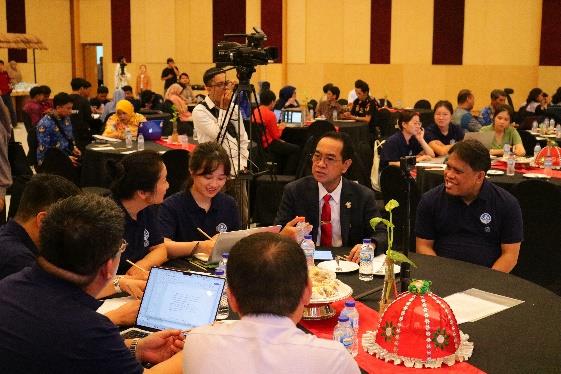
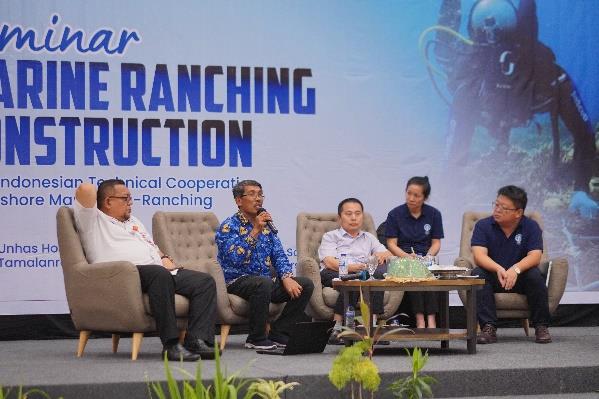
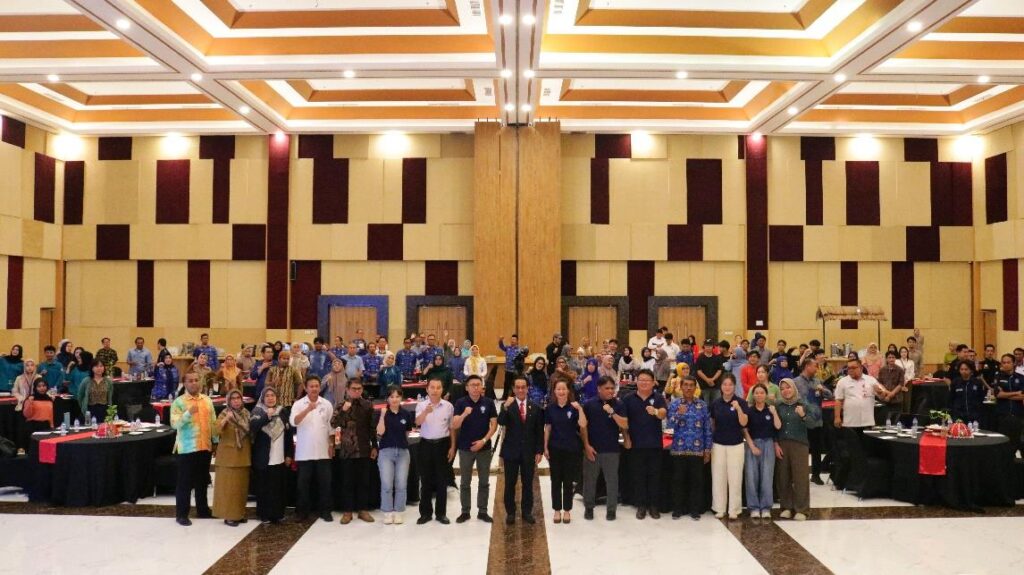
Experts from Chinese and Indonesian universities shared their knowledge on marine ranching, artificial reef technology, and aquaculture innovations. Prof. Xuefeng Wang from Guangdong Ocean University explained the immense potential of the aquaculture sector, which generated $296 billion globally in 2022. He emphasized the importance of managing fishery resource stocks through the installation of artificial reefs to support ecosystem productivity and sustainability. Prof. Shuo Zhang from Shanghai Ocean University further elaborated on the benefits of diverse artificial reef structures, which have been shown to enhance fish populations and biodiversity in Haizhou Bay, China. Applying similar strategies in Indonesia was demonstrated to have the potential to increase fish stocks and marine ecosystem sustainability. From UNHAS, Dr. Syafyudin Yusuf discussed the efforts to rehabilitate coral reefs using artificial reefs to address habitat damage. Closing the seminar, Dr. Suryadi Saputra from BRIN emphasized that the marine ranching approach not only supports high-value fish species but also various marine organisms such as sea cucumbers, crabs, and abalones, which are crucial for coastal economies.
Marine ranching construction are one of the coastal ecosystem management efforts that directly contribute to achieving several goals of the United Nations Sustainable Development Goals (SDGs). The installation of artificial reefs can enhance habitats for fish and other marine organisms, restore damaged coral reef ecosystems, and increase aquatic productivity. Therefore, the presence of artificial reefs supports SDG 14 (Life Below Water), particularly in the conservation and sustainable use of marine resources.
In addition to ecological aspects, artificial reefs also provide social and economic benefits for coastal communities. Increased fish stocks can support fishermen’s livelihoods and improve local food security, which aligns with SDG 1 (No Poverty) and SDG 2 (Zero Hunger). Furthermore, the development of marine tourism areas based on artificial reefs can create new economic opportunities that support SDG 8 (Decent Work and Economic Growth). Thus, artificial reefs represent a sustainable solution for maintaining the balance between environmental conservation and the welfare of coastal communities.