GOWA, Indonesia Jun 03 2026/SMSRG/ – A reinforced concrete beam can appear strong and reliable for decades. But hidden inside the concrete is a vulnerable component: steel reinforcement. When moisture and chlorides reach the steel—especially in structures near the sea—the reinforcement can begin to corrode. As corrosion progresses, the steel expands, cracks the surrounding concrete, and can eventually cause the concrete cover to break away.
This raises an important question: when corrosion has already damaged a beam, is repairing the concrete enough?
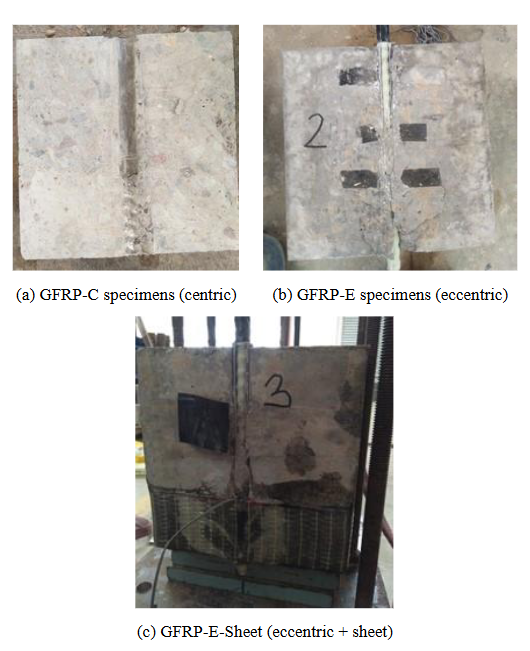
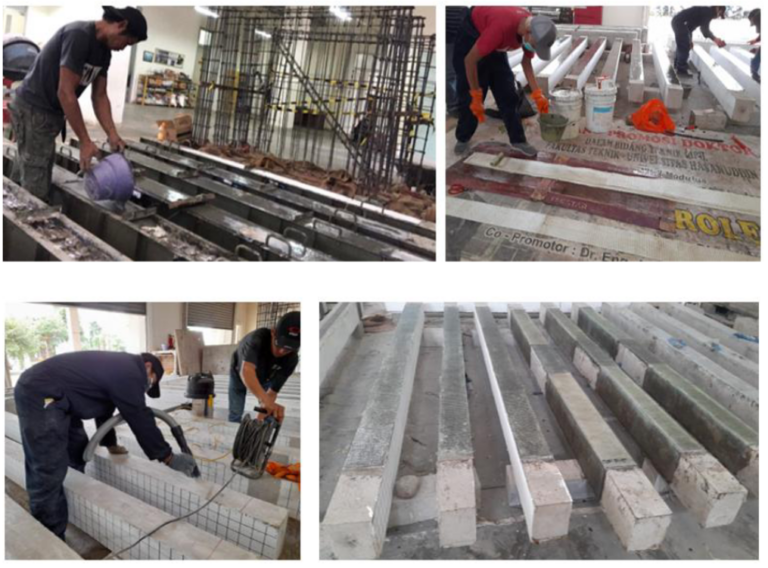
A study titled “Flexural Behavior of Repaired Reinforced Concrete Beams Due to Corrosion of Steel Reinforcement Using Grouting and FRP Sheet Strengthening”, published in the Civil Engineering Journal on 01 January 2024, investigated how damaged reinforced concrete beams could regain their ability to resist bending. The research focused on two repair strategies: replacing damaged concrete with grout and adding Fiber Reinforced Polymer (FRP) sheets for flexural strengthening.
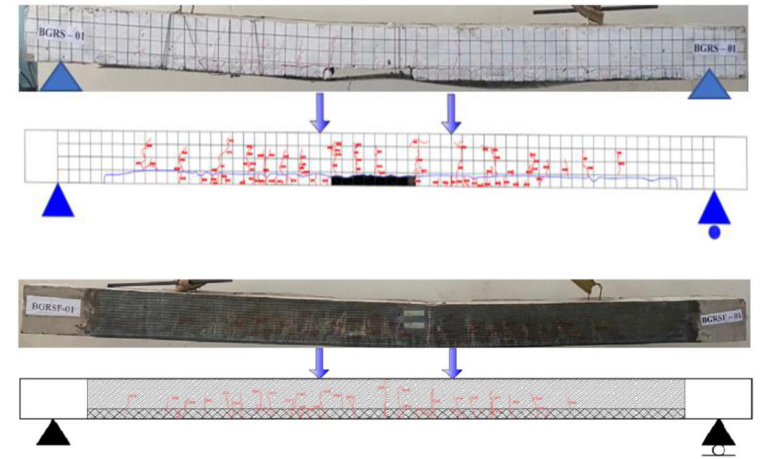
The researchers simulated corrosion damage on the tension side of reinforced concrete beams. They then compared beams repaired with grouting alone, beams repaired with grouting and strengthened using FRP sheets, and normal reinforced concrete beams used as controls. The specimens were tested under monotonic loading to observe how they behaved as the applied load increased.
The results reveal an important lesson about structural repair. Grouting alone was not enough to recover the beam’s original flexural capacity. The beam repaired only with grout achieved approximately 50% of the capacity of the control beam. In other words, replacing damaged concrete may restore the appearance and some physical integrity of the beam, but it does not necessarily restore its structural strength.
The situation changed significantly when FRP sheets were added as flexural strengthening. The repaired and strengthened beam achieved a capacity approximately equal to that of the normal control beam. This suggests that FRP can provide additional tensile resistance and compensate for the loss of structural performance caused by corrosion damage. The researchers therefore identified the combination of grouting and FRP strengthening as an effective alternative for repairing corroded reinforced concrete beams.
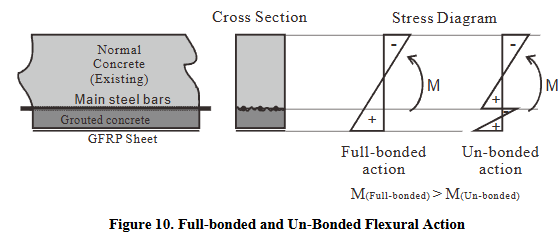
Why does this matter to ordinary people? Concrete infrastructure is everywhere—from bridges and parking structures to buildings and coastal facilities. Replacing an entire structure because of localized deterioration can require substantial time, money, materials, and disruption. If engineers can safely repair and strengthen existing structures, their useful service life may be extended while reducing the need for complete reconstruction.
This research directly supports Sustainable Development Goal 3 (SDG 3): Good Health and Well-Being, because maintaining structural capacity helps protect people who depend on buildings and infrastructure every day. It also supports SDG 9: Industry, Innovation and Infrastructure by demonstrating an innovative approach to rehabilitating aging and corrosion-damaged infrastructure.
The main lesson is straightforward: repairing a damaged beam is not simply about replacing what has fallen away. The hidden loss of structural capacity must also be addressed. With proper assessment, suitable repair materials, and strengthening techniques such as FRP, a damaged structure may not need to be abandoned—it may be given the opportunity to serve safely for many more years.
Reference:
DOI: https://doi.org/10.28991/CEJ-2024-010-01-014
Contact:
Prof. Rudy Djamaluddin
+62-811-4666-10
rudy0011@gmail.com