
GOWA, Indonesia Jun 03 2026/SMSRG/ – Concrete structures are built to last, but time, moisture, and corrosion can slowly turn a strong beam into a serious safety concern. One of the most visible signs is spalling—when pieces of concrete break away and expose the steel reinforcement inside. What looks like surface damage may actually indicate that the structure has already begun to lose its strength.
Can such a damaged beam be repaired effectively, rather than replaced?
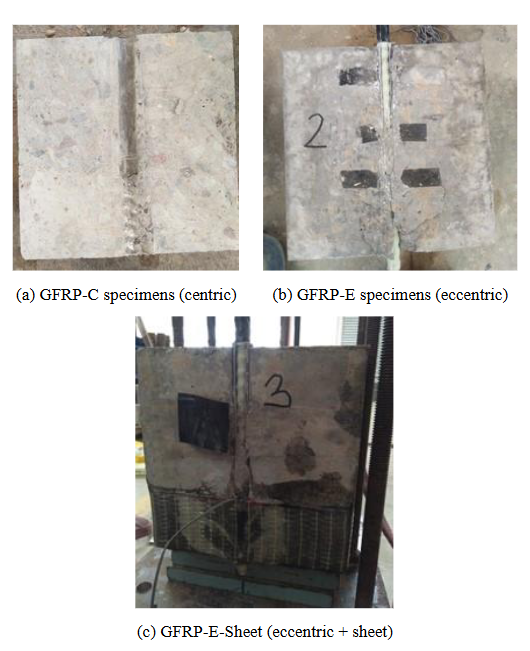
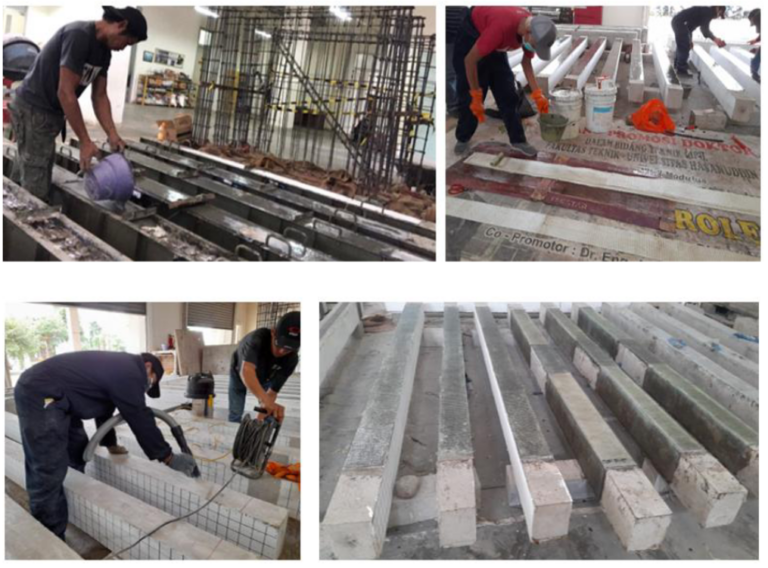
A study titled “Effectiveness of Grouting and GFRP Reinforcement for Repairing Spalled Reinforced Concrete Beams”, published in the Civil Engineering Journal on 01 July 2024, investigated this question. The research examined several repair approaches for reinforced concrete beams affected by spalling, focusing on conventional grouting and Glass Fiber Reinforced Polymer (GFRP) reinforcement.
The reason spalling can become dangerous is closely connected to corrosion. When steel reinforcement is exposed to moisture and chlorides, it can begin to rust. Rust occupies more space than the original steel, creating pressure inside the concrete. Over time, this pressure can produce cracks, cause pieces of concrete to detach, and reduce the ability of the beam to carry loads.
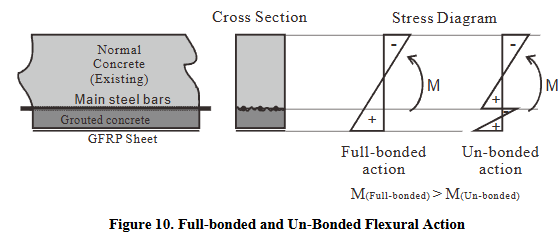
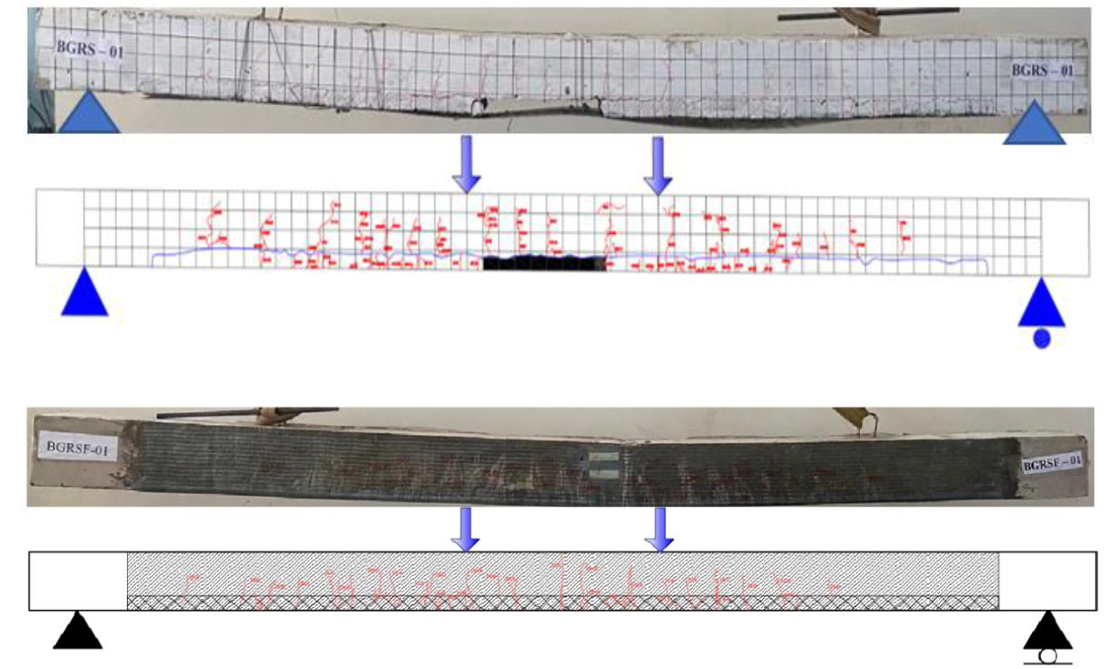
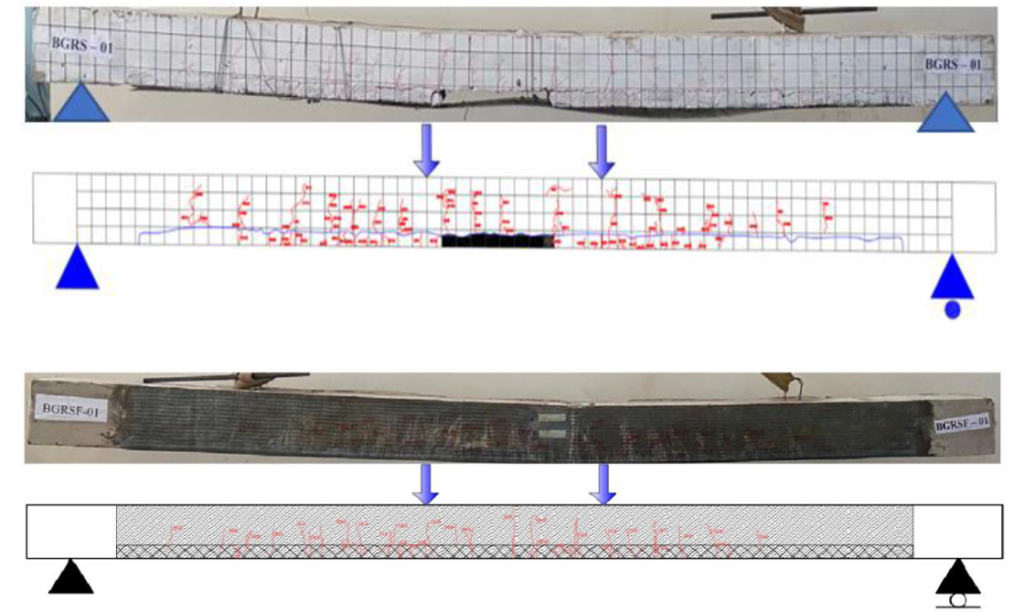
The researchers tested four beam conditions. The undamaged reference beam carried an average maximum load of 29.74 kN. Interestingly, simply repairing the damaged area with grout did not restore the beam’s original strength. The grouted beam carried only 14.39 kN. This result highlights an important lesson: making damaged concrete look intact does not necessarily mean that its structural capacity has been restored.
GFRP provided a more encouraging result. GFRP strips produced some improvement, although the capacity remained below that of the reference beam. The strongest performance came from the beam strengthened with a full GFRP wrap. It achieved an 8.08% higher maximum load than the undamaged reference beam, while the observed concrete strain suggested improved flexural stiffness.
This finding is important beyond the laboratory. Existing bridges, buildings, and other concrete infrastructure can develop deterioration long before replacement becomes necessary. Effective strengthening techniques may allow valuable structures to remain in service longer, provided that engineers first identify the cause and severity of the damage.
The research directly supports Sustainable Development Goal 3 (SDG 3): Good Health and Well-Being, because maintaining structural safety helps protect people from infrastructure-related accidents and failures. It also contributes to SDG 9: Industry, Innovation and Infrastructure by demonstrating how advanced materials such as GFRP can support the rehabilitation of existing infrastructure.
The key message is simple: damaged concrete should not be judged by appearance alone. A repair must be evaluated by how well the structure performs afterward. With proper assessment, suitable materials, and evidence-based engineering, some damaged structures may receive something valuable—a second chance to safely serve the communities that depend on them.
Reference:
DOI: https://doi.org/10.28991/CEJ-2024-010-07-05
Contact:
Prof. Rudy Djamaluddin
+62-811-4666-10
rudy0011@gmail.com