GOWA, Indonesia Jun 03 2026/SMSRG/ – Reinforced concrete is one of the most widely used materials in buildings, bridges, and other infrastructure. But like any material, it can deteriorate over time. Cracks, corrosion, concrete spalling, and previous repair work can weaken a structural member and raise an important question: should we replace it, or can we give it a second chance?
The article “A Study on the Retrofitting of the Shear Capacity on Cold Joint Longitudinal RC Beams” offers an encouraging answer, published in Engineering, Technology & Applied Science Research on 9 October 2024, investigated a practical method for repairing and strengthening reinforced concrete (RC) beams with damaged or weak connections between old concrete and new repair material. The study was conducted by Ardi Azis Sila, Rita Irmawaty, Rudi Djamaluddin, and Wihardi Tjaronge.
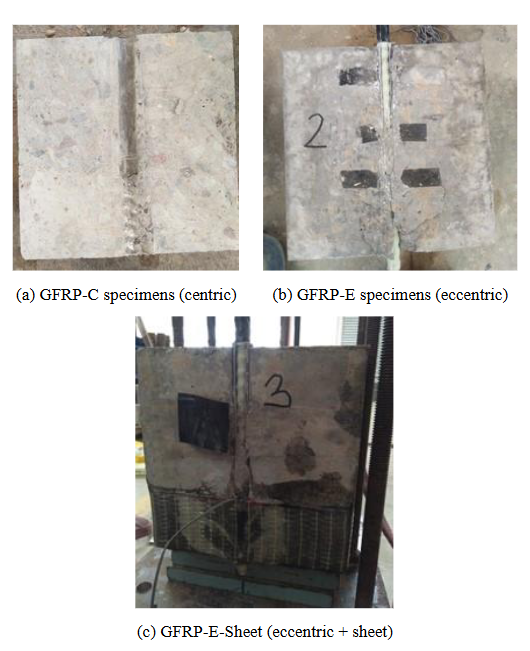
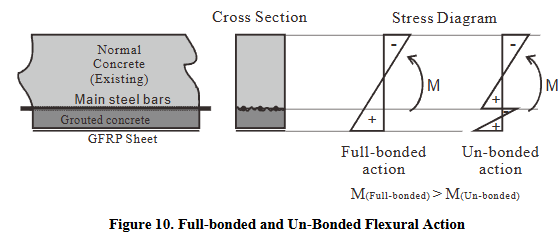
The problem studied is known as a cold joint. It can occur when new concrete or repair mortar is placed against existing concrete at different times. The connection between the two materials may become a weak point, particularly when the beam is subjected to bending and shear forces. If the connection fails too early, even a strengthening material such as Glass Fiber Reinforced Polymer (GFRP) may not perform as intended.
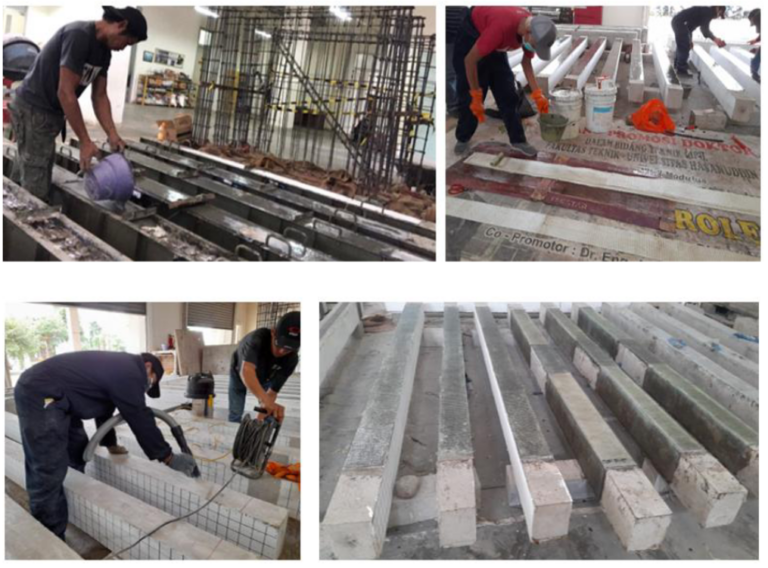
To address this problem, the researchers tested RC beams repaired using grouting mortar, GFRP sheets, and dyna-bolt anchors. The anchors acted as mechanical connectors between the existing concrete and the new grouting material. In total, ten RC beams were tested, including control specimens and beams strengthened with different combinations of GFRP and anchors.
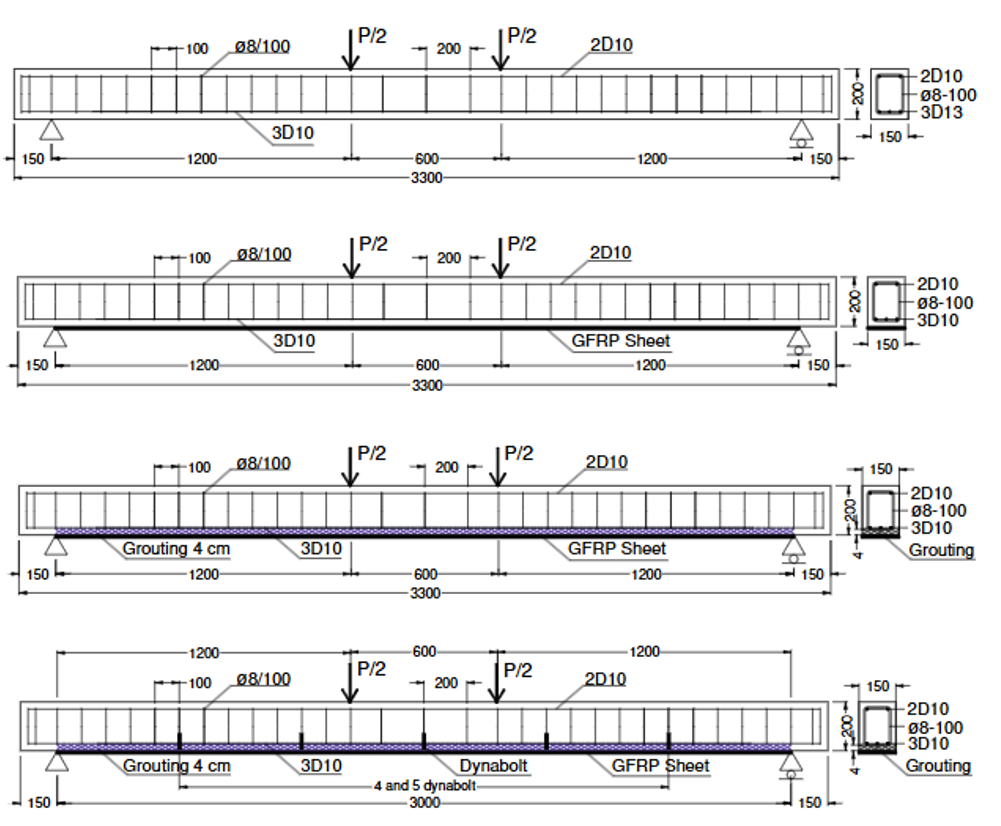
The results demonstrate why small details can make a major difference in structural rehabilitation. The use of dyna-bolt anchors improved the beam’s bending and shear capacity by 44.70% compared with the corresponding strengthening approach without effective anchorage. The anchors also helped control premature cracking and reduced the risk of debonding between the repair material and the existing concrete.
The message is simple but important: repairing infrastructure is not only about adding stronger materials; it is about making old and new materials work together. Better connection details can determine whether a strengthening system succeeds or fails.
The importance of this research can be connected to Sustainable Development Goal (SDG) 3: Good Health and Well-being. Safer structures help protect people from injuries and loss of life caused by structural failures. Strengthening vulnerable concrete members is therefore part of a broader effort to create safer environments for communities. It also directly supports SDG 11: Sustainable Cities and Communities, because extending the service life of existing structures can contribute to safer and more resilient communities while reducing the need for complete reconstruction.
Reference:
DOI: https://doi.org/10.48084/etasr.8622
Contact:
Prof. Rudy Djamaluddin
+62-811-4666-10
rudy0011@gmail.com