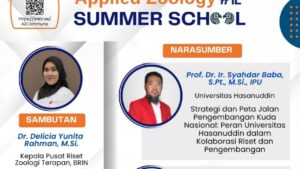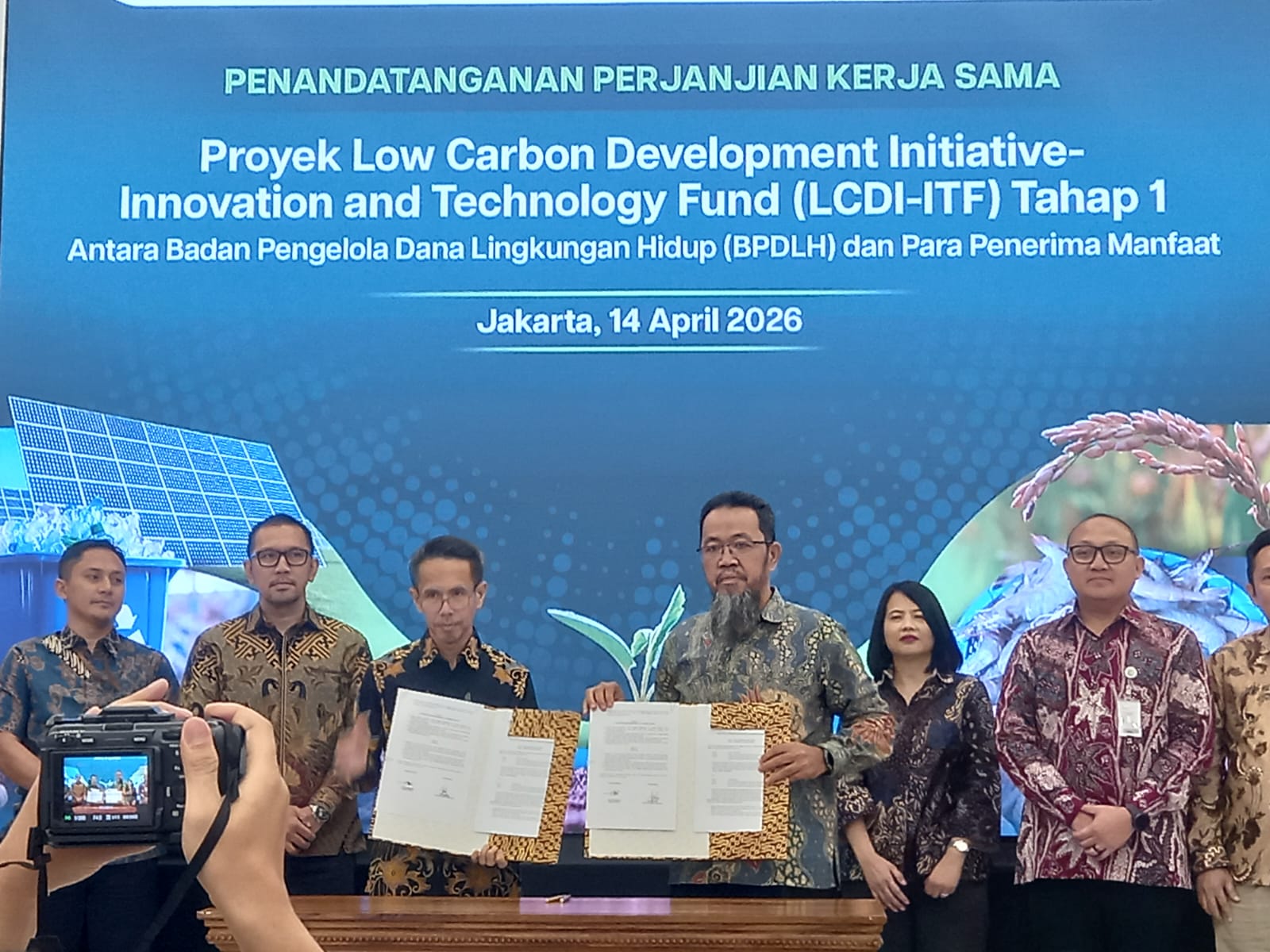
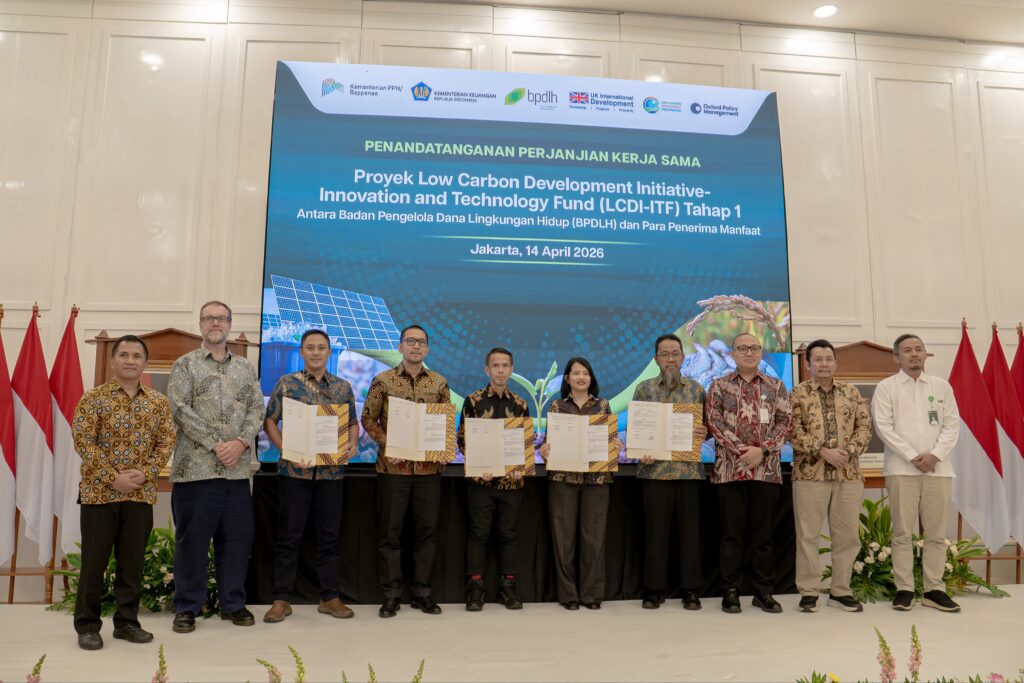
Jakarta – In a significant step toward integrating climate action with inclusive economic growth, the Smallholder Livestock Farming System Research Group officially signed a funding agreement for an innovative waste management project. The signing ceremony, held in Jakarta, was led by Prof. Dr. Ir. Syahdar Baba, S.Pt., M.Si, IPU, as the Principal Investigator. The event was attended by 30 participants, comprising researchers, government representatives, and development partners.
The funded project, titled “Integrated Waste Management Using Maggot Technology and Alope Unhas 1 Chickens to Support the Circular Economy in South Sulawesi,” is supported by the Low Carbon Development Initiative – Innovation and Technology Fund (LCDI-ITF) . This initiative identifies and replicates high-impact technology solutions that reduce greenhouse gas emissions while fostering inclusive economic growth. Located at the main Unhas campus in Tamalanrea, Makassar, South Sulawesi, the project falls under the Waste sector and will demonstrate a biological integration system combining Black Soldier Fly larvae (Hermetia illucens) cultivation with the newly developed Alope Unhas 1 chickens—a superior local breed resulting from Unhas Faculty of Animal Science research.
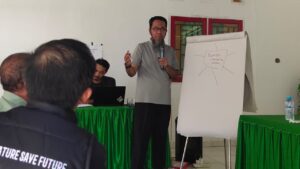
This approach directly supports several Sustainable Development Goals (SDGs). First and foremost, the project aligns with SDG 1 (No Poverty) by creating new income streams for smallholder farmers and waste workers through the sale of insect protein, compost, and poultry products. By fostering decent work and economic resilience, the initiative ensures that climate action also reduces economic vulnerability. Furthermore, the project advances SDG 4 (Quality Education) . The implementation site will serve as a living laboratory for hands-on training and community workshops, building capacity in sustainable waste management, circular bio-economy principles, and low-emission technologies—thus equipping local stakeholders with relevant skills for the green transition.
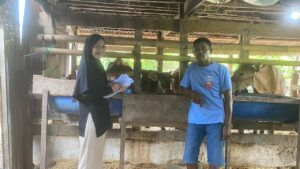
Additionally, the project contributes to SDG 17 (Partnerships for the Goals) . The funding itself stems from a multi-sector collaboration between the LCDI-ITF, academic institutions, and local government. The research group also partners with waste management cooperatives and livestock farmer groups, ensuring that knowledge, technology, and resources are shared effectively to scale the solution across South Sulawesi.
By diverting organic waste from final disposal sites (TPA), the project reduces methane emissions—a potent greenhouse gas—while simultaneously producing high-quality animal feed and organic fertilizer. The integrated system embodies a true circular economy model: organic waste feeds maggots, maggots feed Alope Unhas 1 chickens, and the residual substrate becomes compost, closing the loop with zero waste to landfill. This replicable model is expected to contribute substantially to Indonesia’s low-carbon development targets while improving local livelihoods and environmental quality. With funding now secured, the team is poised to begin implementation, promising direct community and ecological benefits across Sulawesi’s peri-urban and rural landscapes.