
MAKASSAR, Indonesia Apr 22 2026 /PharmaEpid RG/–Each year, millions of mothers undergo cesarean section (C-section) procedures to ensure safe childbirth. While this surgical method can save lives, it also carries risks—one of the most serious being post-surgical infection. A recent study from Indonesia highlights a critical but often overlooked issue: the irrational use of prophylactic antibiotics.
The research, titled “Association Between Irrational Prophylactic Antibiotic Use and Post-Surgical Infections in Caesarean Section Patients at Indonesian Regional Hospitals” (Publisher: National Academy of Medicine), published in Gaceta Médica de Caracas (Volume 132, Issue 2) on June 5, 2024, by Raudhatul Jannah, Marianti A. Manggau, and Muh. Akbar Bahar, reveals that improper antibiotic use significantly increases the risk of infection after surgery. Based on data from 274 patients, about 11.3% developed surgical site infections, and the risk was dramatically higher when antibiotics were not used according to national guidelines.
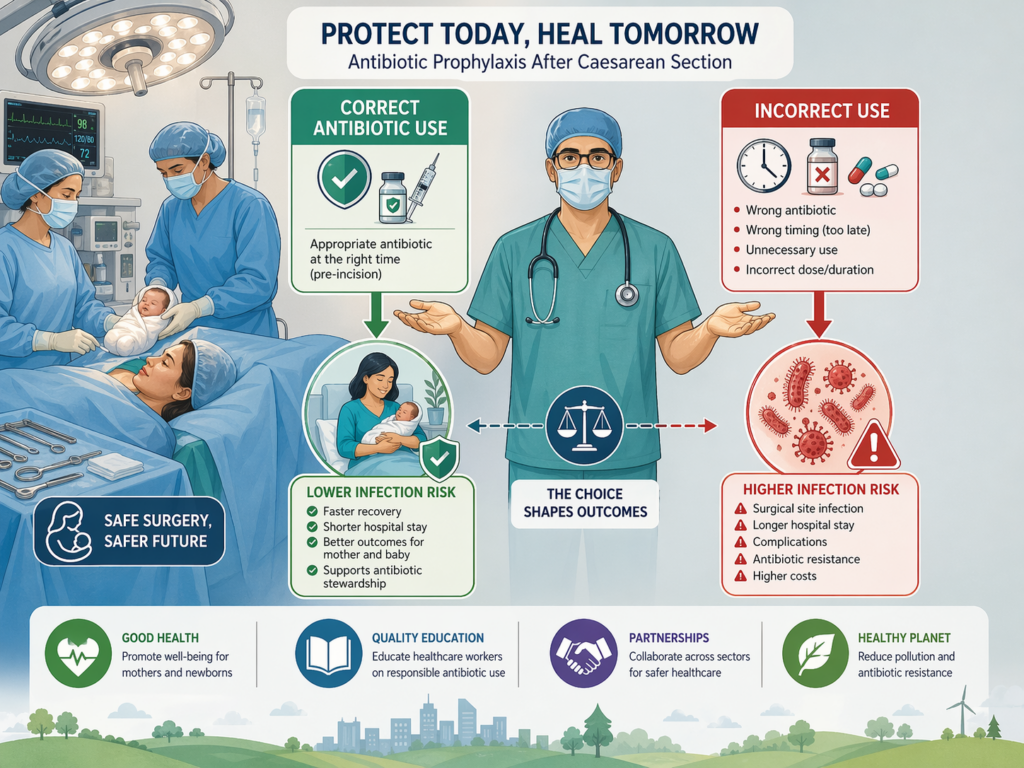
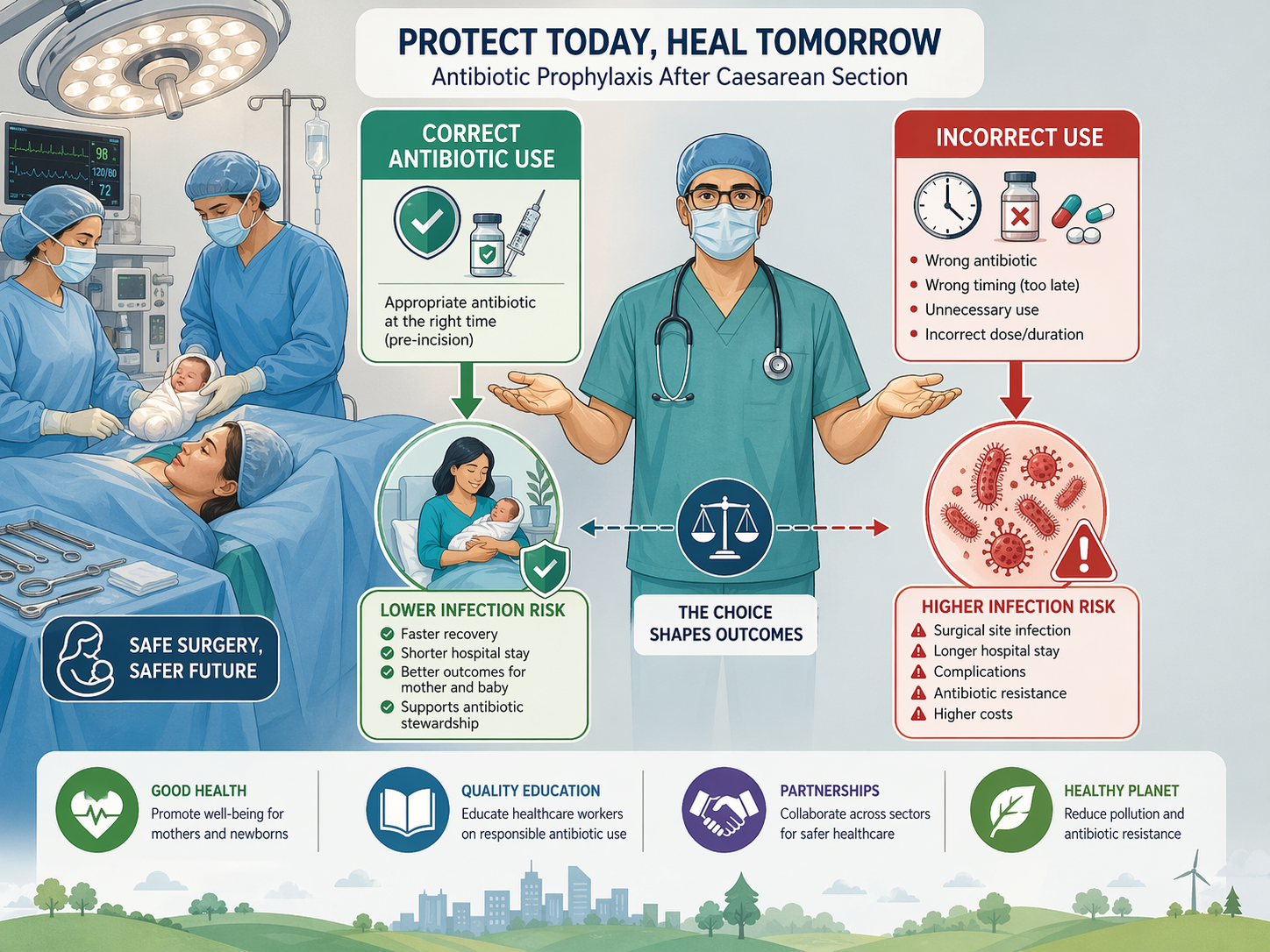
Antibiotics are commonly given before surgery to prevent infection. However, they must be used correctly—right drug, right timing, and right duration. The study found that using the wrong type of antibiotic increased infection risk by more than 18 times, while prolonged use also significantly raised the risk. This shows that more antibiotics do not necessarily mean better protection. In fact, misuse can do more harm than good.
The importance of this research lies in its direct implications for patient safety, clinical practice, and health system sustainability. By clearly demonstrating the consequences of irrational antibiotic use, the study provides strong evidence for improving prescribing behavior among healthcare professionals. It also highlights the urgent need for implementing antimicrobial stewardship programs and strengthening adherence to national clinical guidelines. In a broader sense, this research supports policymakers in designing more effective strategies to reduce surgical complications, optimize healthcare costs, and protect the long-term effectiveness of antibiotics.
This issue is not only a clinical concern but also a global public health challenge. Misuse of antibiotics contributes to antimicrobial resistance, making infections harder to treat in the future. In countries like Indonesia, where healthcare systems are still strengthening, such practices can increase healthcare costs and reduce patient safety.
From a broader perspective, this study strongly aligns with several global priorities. First, it supports SDG 3 (Good Health and Well-being) by promoting safer surgical practices and reducing maternal complications. Second, it contributes to SDG 4 (Quality Education) by emphasizing the need for continuous training of healthcare professionals on rational drug use. Third, it reflects SDG 17 (Partnerships for the Goals), as improving antibiotic stewardship requires collaboration between researchers, clinicians, policymakers, and institutions.
The findings highlight a simple yet powerful message: following clinical guidelines matters. By ensuring that antibiotics are used rationally, healthcare providers can significantly reduce infection rates, improve patient outcomes, and contribute to a more sustainable healthcare system.
In the end, improving maternal health is not just about advanced technology—it is also about making the right decisions with the tools we already have.
Reference:
https://saber.ucv.ve/ojs/index.php/rev_gmc/article/view/28543
DOI: 10.47307/GMC.2024.132.2.8
Contact:
Muh. Akbar Bahar, Ph.D
+62 819-4422-8642
akbarbahar@unhas.ac.id