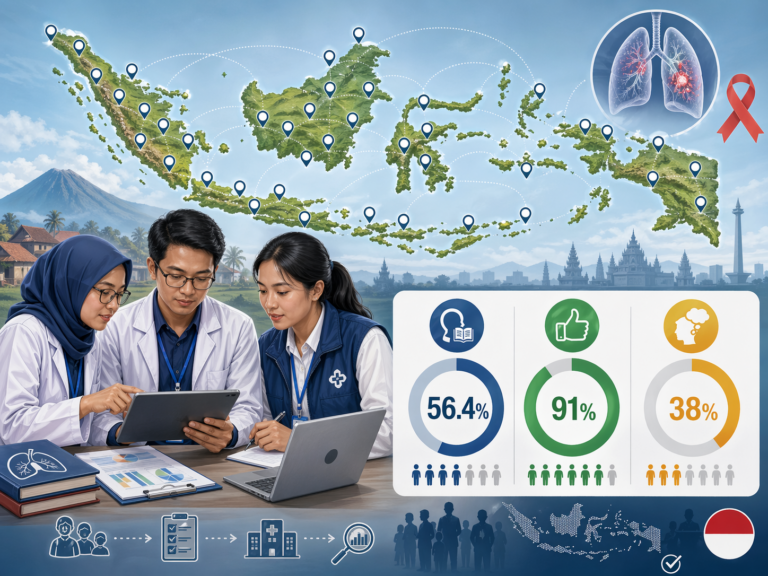

MAKASSAR, Indonesia Apr 24 2026 /PharmaEpid RG/– Although the World Health Organization declared the end of COVID-19 as a global health emergency in 2023, the virus has not disappeared. New variants, declining immunity, and ongoing transmission continue to pose risks—especially for vulnerable populations. Vaccination remains one of the most effective tools to protect communities, yet acceptance of additional booster doses is still a challenge in many countries, including Indonesia.
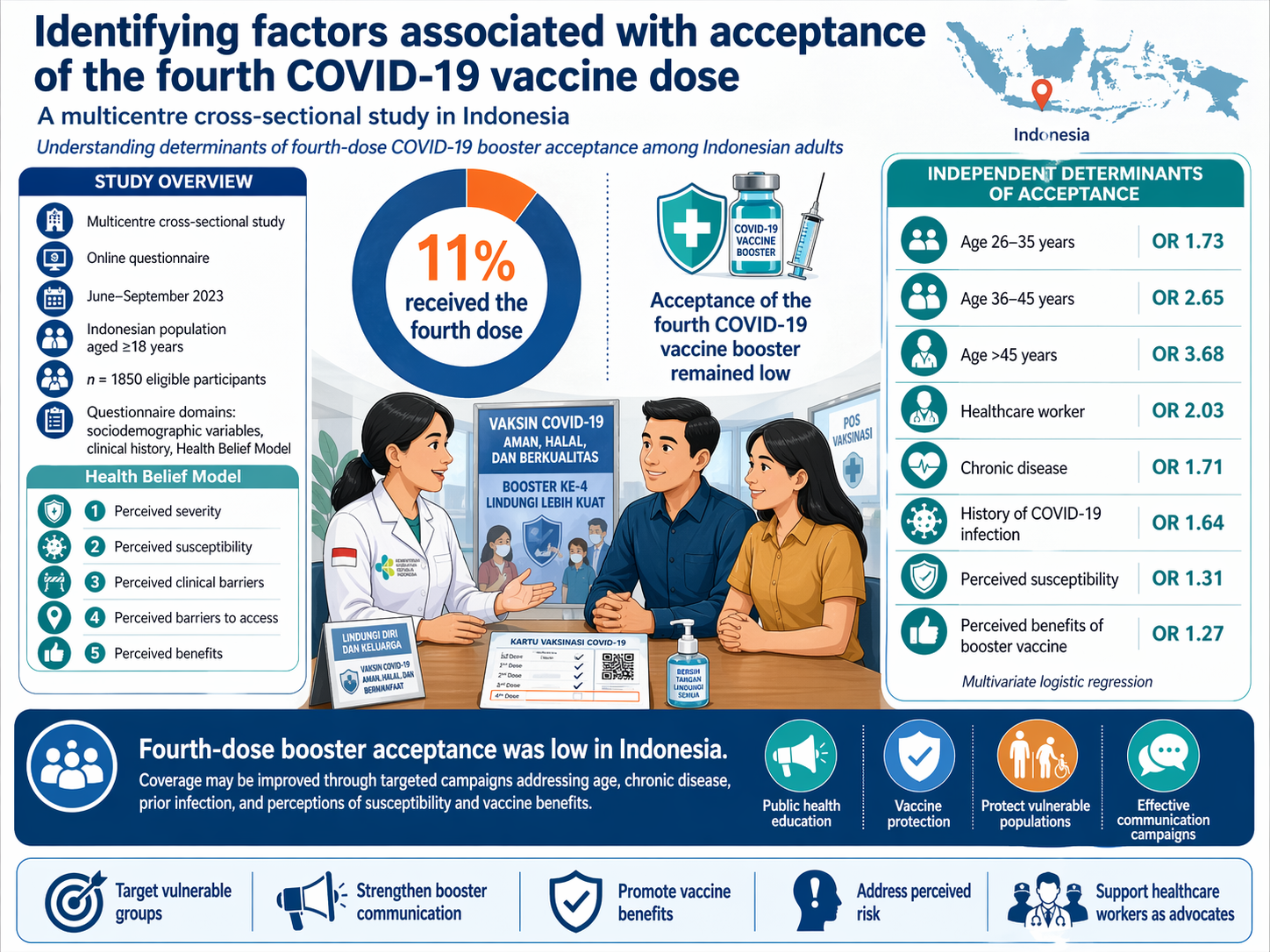
A recent study titled “Identifying factors associated with acceptance of the fourth COVID-19 vaccine dose: A multicentre cross-sectional study in Indonesia”, published in Vaccine: X by Elsevier on January 16, 2026, sheds light on this issue. Conducted by Muh. Akbar Bahar and colleagues, the study analyzed responses from 1,850 Indonesian adults across multiple regions to understand what drives—or limits—the acceptance of the fourth COVID-19 vaccine dose.
The findings reveal a striking gap: only 11% of participants had received the fourth dose. This low uptake suggests that despite strong scientific evidence supporting booster vaccines, public acceptance remains limited. The study identified several key factors influencing acceptance. Older age groups were more likely to receive the booster, with individuals over 45 years having the highest likelihood. Healthcare workers, individuals with chronic diseases, and those with a history of COVID-19 infection were also more likely to accept the vaccine.
Equally important are psychological factors. The study shows that individuals who perceive themselves as vulnerable to infection—and who believe in the benefits of vaccination—are more likely to get the booster. These findings highlight the importance of perception, not just availability, in shaping public health behavior.
The importance of this research lies in its practical implications for improving vaccination strategies. It demonstrates that increasing vaccine coverage is not only about supply, but also about targeted communication and education. Public health campaigns need to focus on raising awareness of personal risk, emphasizing the benefits of booster doses, and addressing concerns about safety and accessibility.
From a global perspective, this study strongly supports SDG 3 (Good Health and Well-being) by promoting vaccination as a key strategy to prevent disease and protect vulnerable populations. It also contributes to SDG 4 (Quality Education) by emphasizing the need for better public understanding of vaccine benefits and risks. The collaborative nature of this research reflects SDG 17 (Partnerships for the Goals), highlighting the importance of cooperation between researchers, governments, and healthcare systems.
In conclusion, the challenge of increasing booster vaccine acceptance in Indonesia is not just medical—it is behavioral and social. By understanding the factors that influence decision-making, policymakers can design more effective strategies to protect public health. In the fight against COVID-19, knowledge and trust are just as important as vaccines themselves.
Reference:
DOI: https://doi.org/10.1016/j.jvacx.2026.100784
Contact:
Muh. Akbar Bahar, Ph.D
+62 819-4422-8642
akbarbahar@unhas.ac.id