
Makassar, Indonesia, September 22, 2026 – The Pediatric Nursing Development and Research Group (PEDNRG) of Universitas Hasanuddin contributes to community-based health innovation through a Thematic Research Group (TRG) Batch 2 research project entitled “Usability, Self-Efficacy, and Mothers’ Experiences Using the SEHATI Application for Child Growth Monitoring: A Mixed-Methods Study.”
Growth disorders among children under five remain a public health concern, with the prevalence in Makassar increasing from 3.6% in 2022 to 4.3% in 2023. Routine monitoring is essential for early detection, yet mothers’ independent monitoring may be limited by usability, self-efficacy, and user experience. SEHATI was developed as an mHealth solution to support child growth monitoring and education; therefore, evaluating these three aspects is essential to assess its usability, user confidence, and potential for sustained use. This research aim to evaluate the usability, self-efficacy, and mothers’ experiences in using the SEHATI application for child growth monitoring.
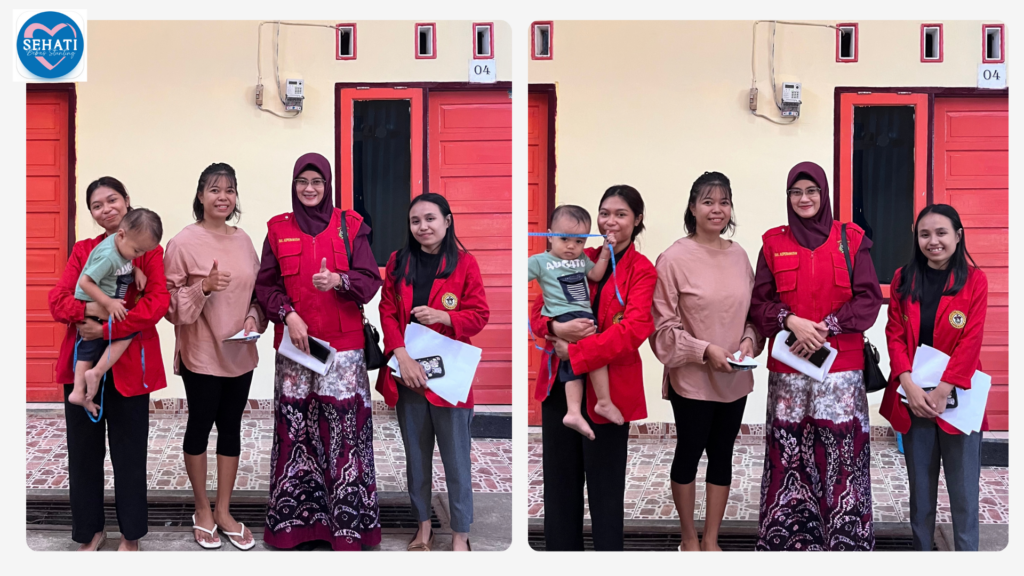
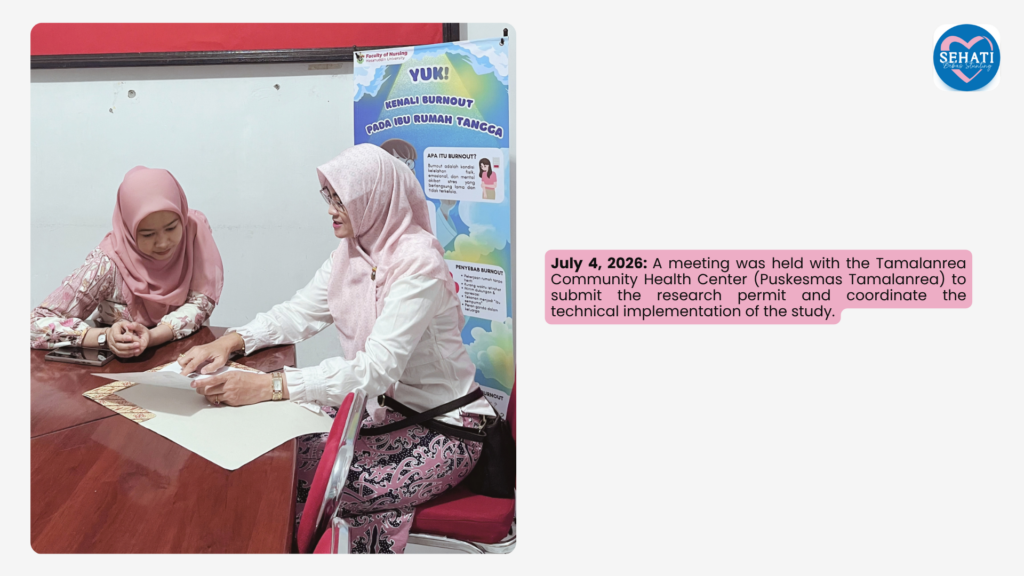
The research was conducted in the working area of Puskesmas Tamalanrea, Makassar City, with 70 mothers of under-five children participating in the study. The research period was April to December 2026, encompassing preparation, field implementation, evaluation, and data processing.
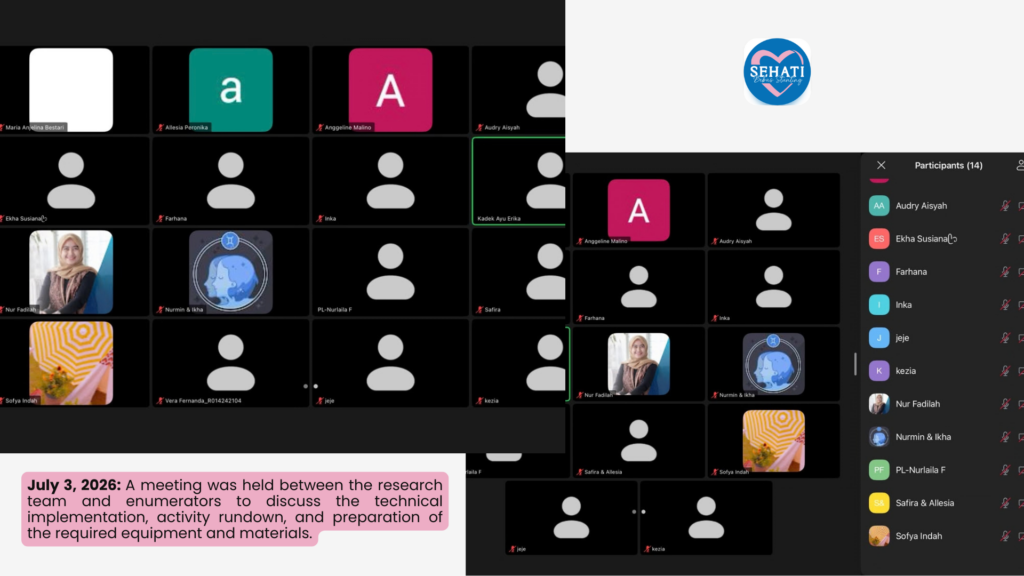
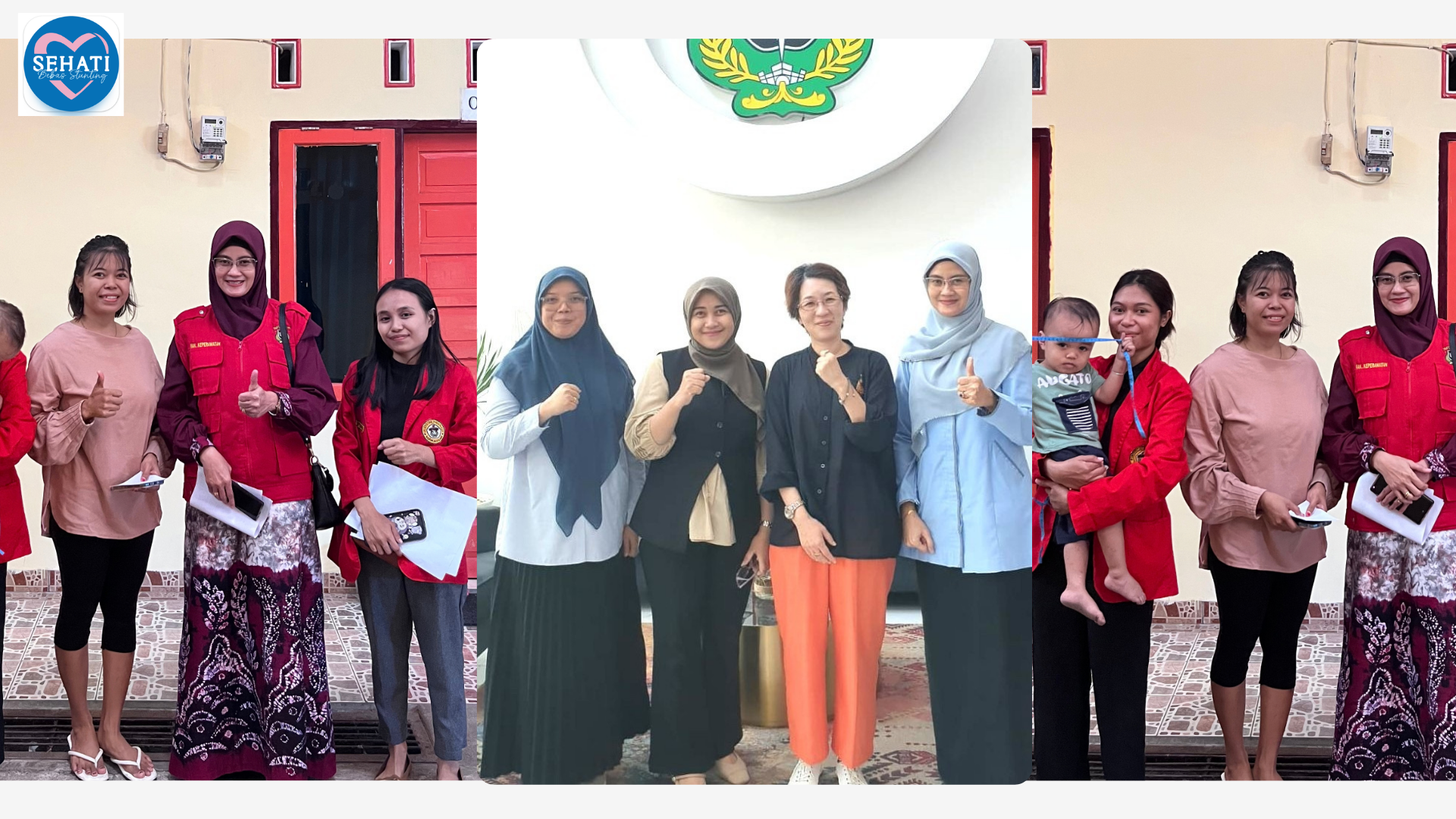
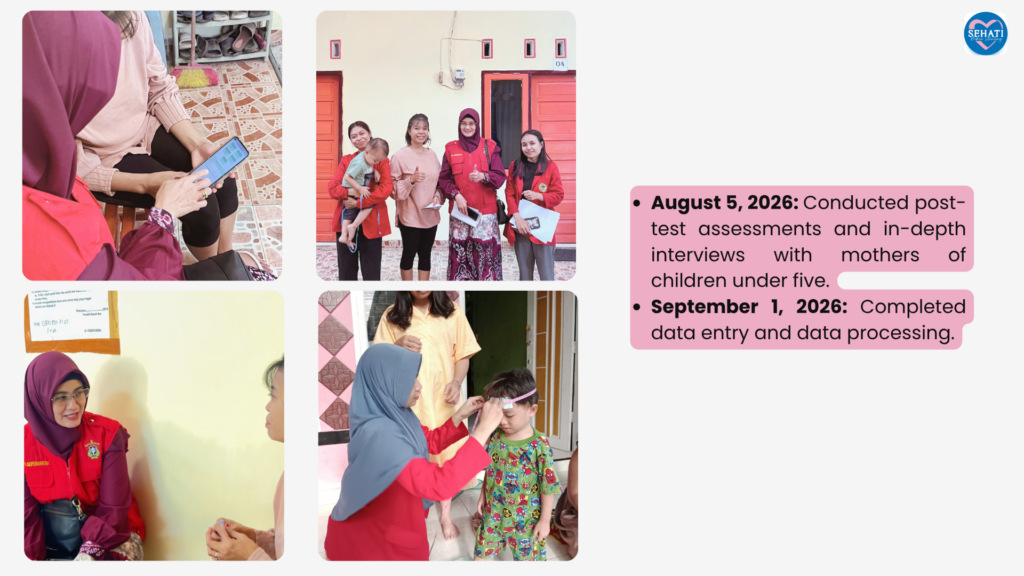
In early July, the research team coordinated with enumerators and Puskesmas Tamalanrea to prepare the field activities. Importantly, Prof. Dr. Kadek Ayu Erika, S.Kep., Ns., M.Kes., and the PEDNRG team directly accompanied the enumerators in preparing and conducting field activities, demonstrating a commitment to connecting academic research with real community needs.
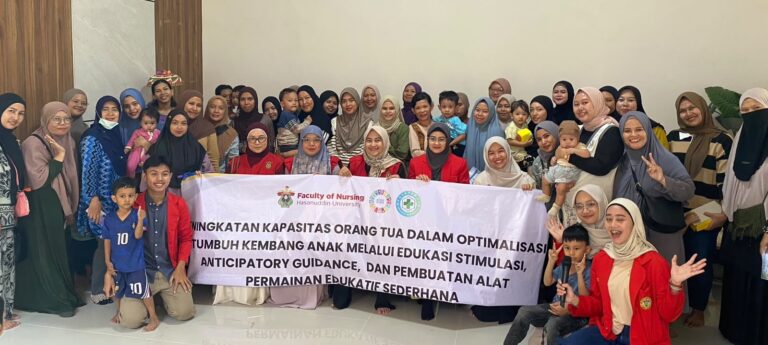
The team engaged directly with mothers, providing pre-test assessments, anthropometric measurements—including height, weight, and head circumference—and education on the use of the SEHATI application.
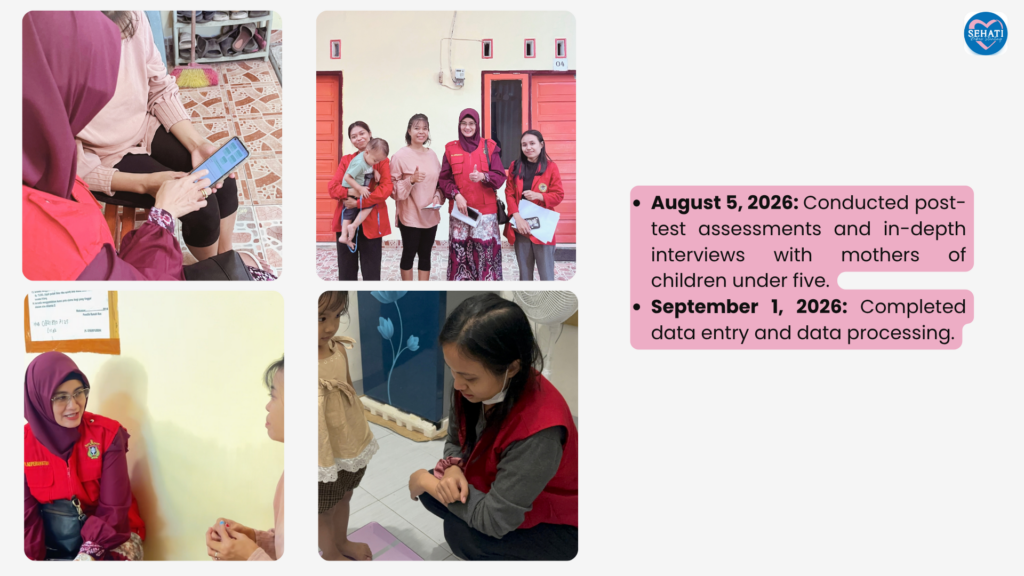
Over the following four weeks, regular field visits were conducted to monitor children’s growth while observing mothers’ ability and independence in using SEHATI. The activities continued with a post-test and in-depth interviews on August 5, 2026, allowing the research team to capture not only measurable outcomes but also mothers’ experiences and perspectives. Data input and processing were subsequently conducted in September 2026.
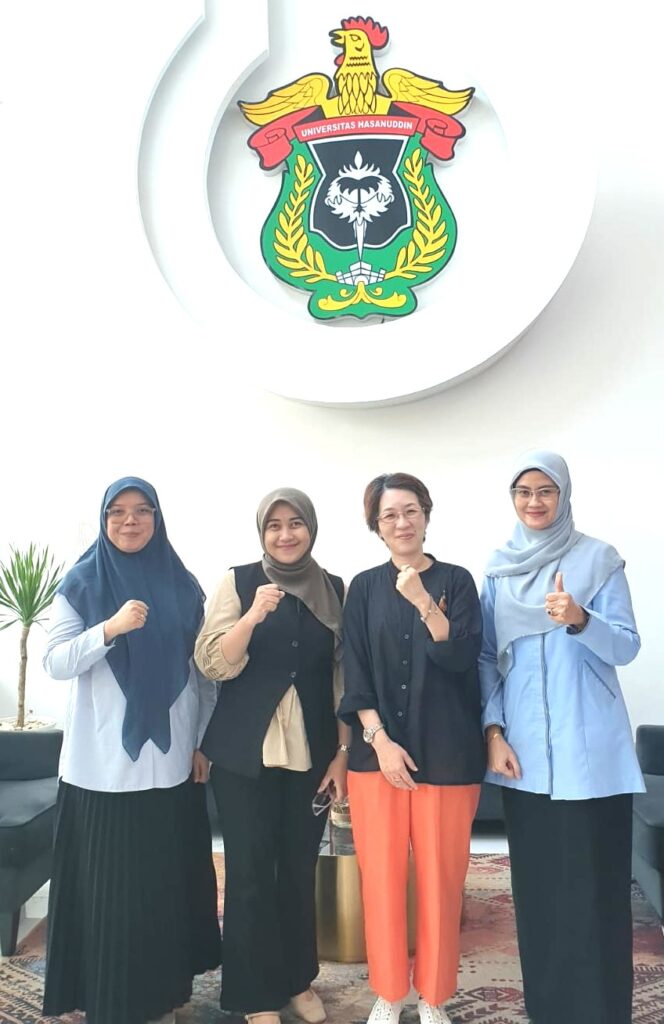
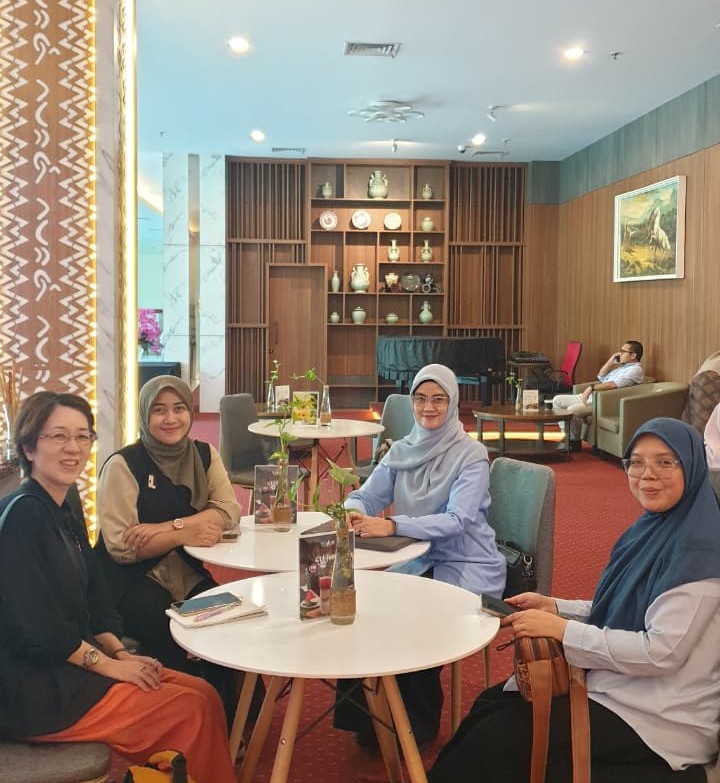
On Friday, September 25, 2026, the PEDNRG team met with Prof. Yoko Aihara (Department of Nursing, Faculty of Health Sciences, Okayama University, Japan), a member of the research team, to advance manuscript development and strengthen sustainable community-based child health research collaboration.
This initiative directly supports SDGs 3 (Good Health and Well-being), particularly efforts to strengthen early identification of growth problems and expand access to practical health information for families, especially SDGs 3.2 on child health and SDGs 3.8 on universal health coverage. The initiative is also relevant to SDGs 2 (Zero Hunger), particularly 2.2, through its focus on growth monitoring and the prevention of child malnutrition and stunting. SDGs 17 (Partnerships for the Goals) by bringing together researchers, enumerators, mothers, and public health centers personnel.
Through this collaboration, PEDNRG demonstrates how research, digital innovation, and community engagement can work together to strengthen child health and create more responsive, family-centered health services.