
Makassar, Indonesia, September 20, 2026 – The Pediatric Nursing Research Group (PEDNRG), Faculty of Nursing, Hasanuddin University, actively contributed to a community contributed to a community service program aimed at strengthening parents’ capacity to support children’s optimal growth and development through education on stimulation, anticipatory guidance, and the creation of simple educational play tools. Early childhood is a critical period in which physical growth, cognitive development, emotional well-being, and social skills are shaped through everyday interactions. Recognizing the important role of parents in this process, PEDNRG contributed its expertise to a community-based initiative that emphasized practical, family-centered approaches to promoting healthy child development.
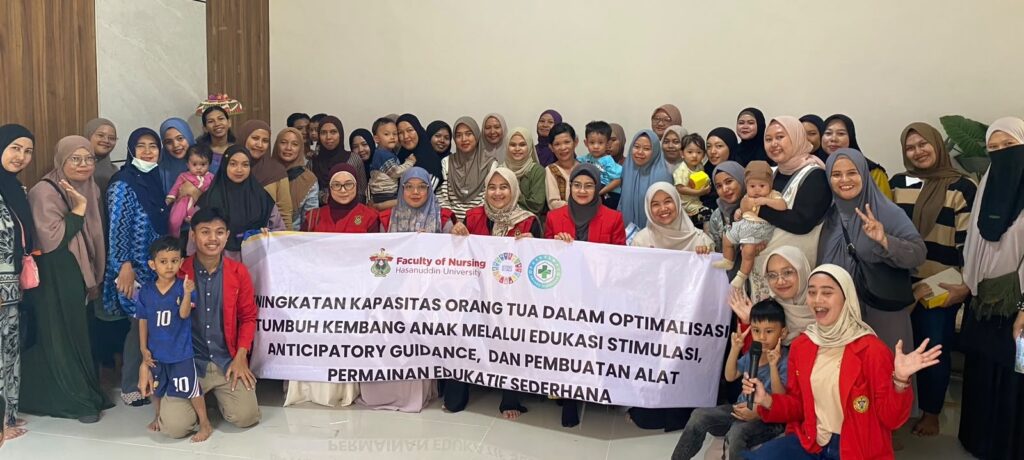
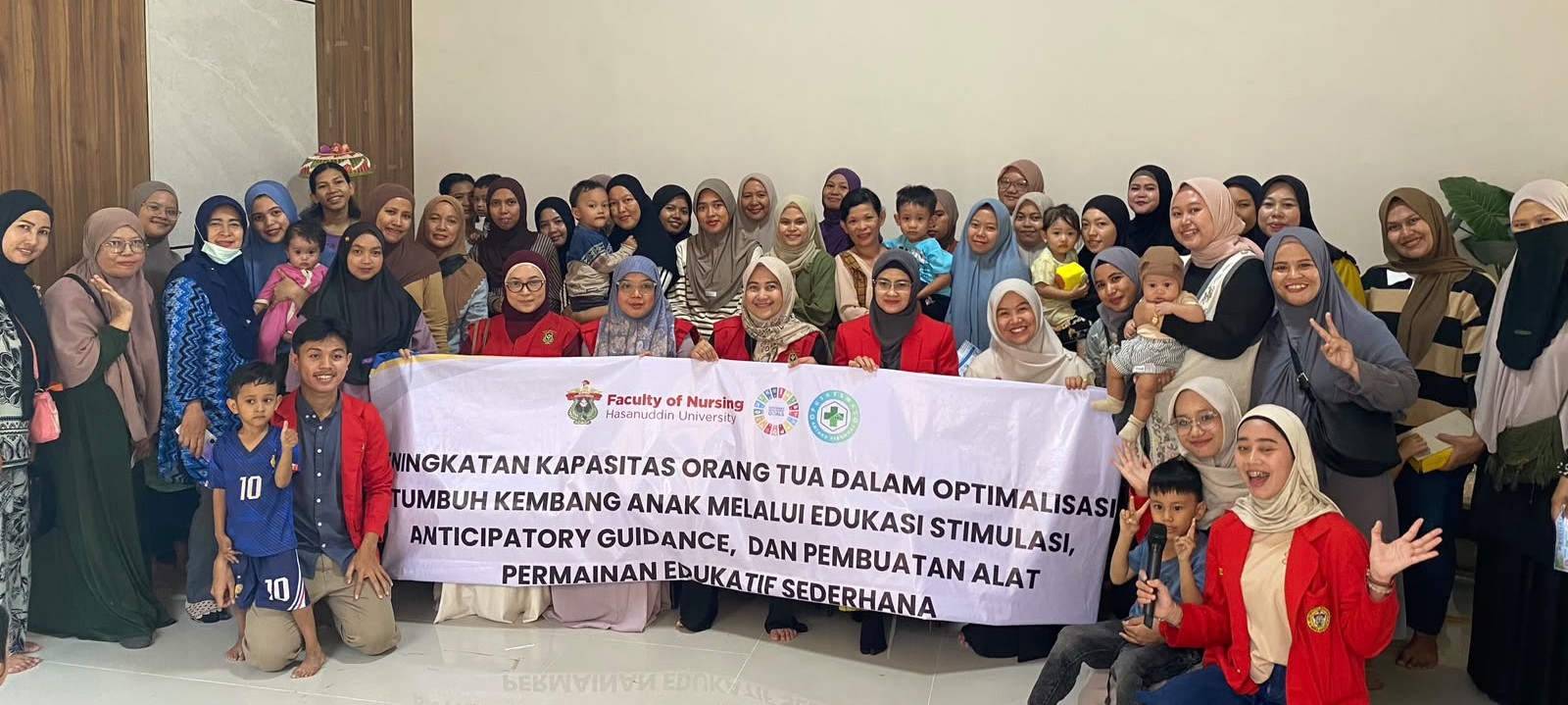
The community service program was entitled “Increasing Parents’ Capacity to Optimize Child Growth and Development through Education on Stimulation, Anticipatory Guidance, and the Development of Simple Educational Play Tools.” The activity was conducted on Saturday, September 19, 2026, in the working area of Antang Perumnas Public Health Center, Makassar City. The program was attended by 50 mothers with under-five children, who actively participated in educational sessions, discussions, and hands-on simulations designed to strengthen their knowledge and practical skills.
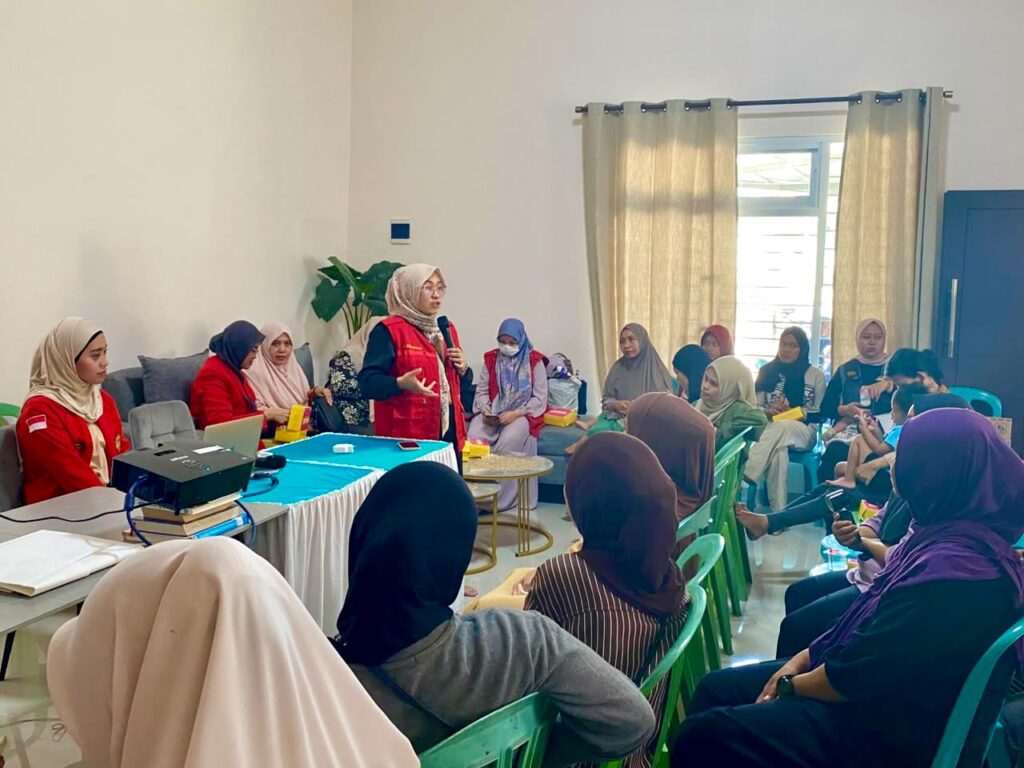
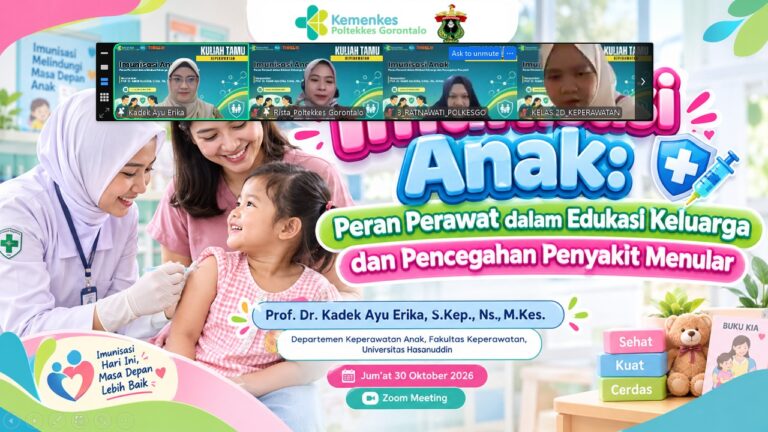
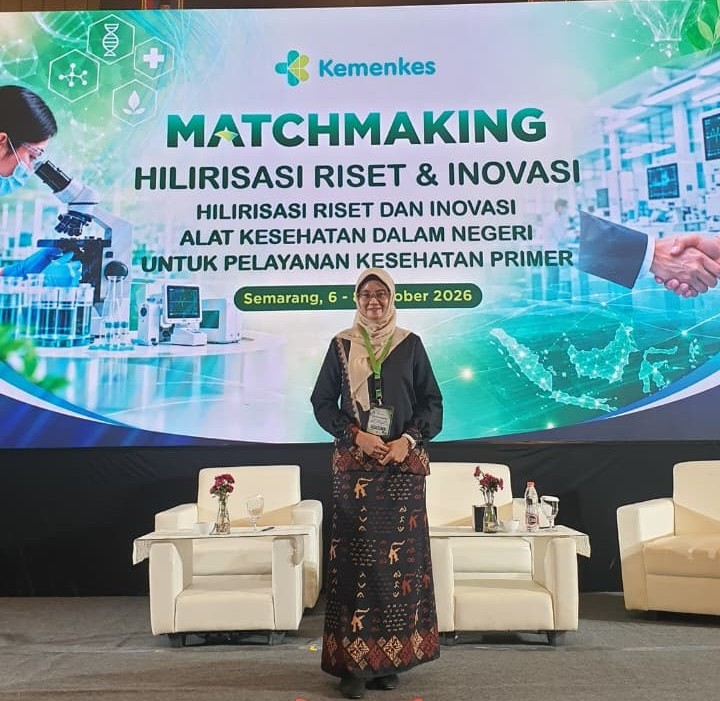
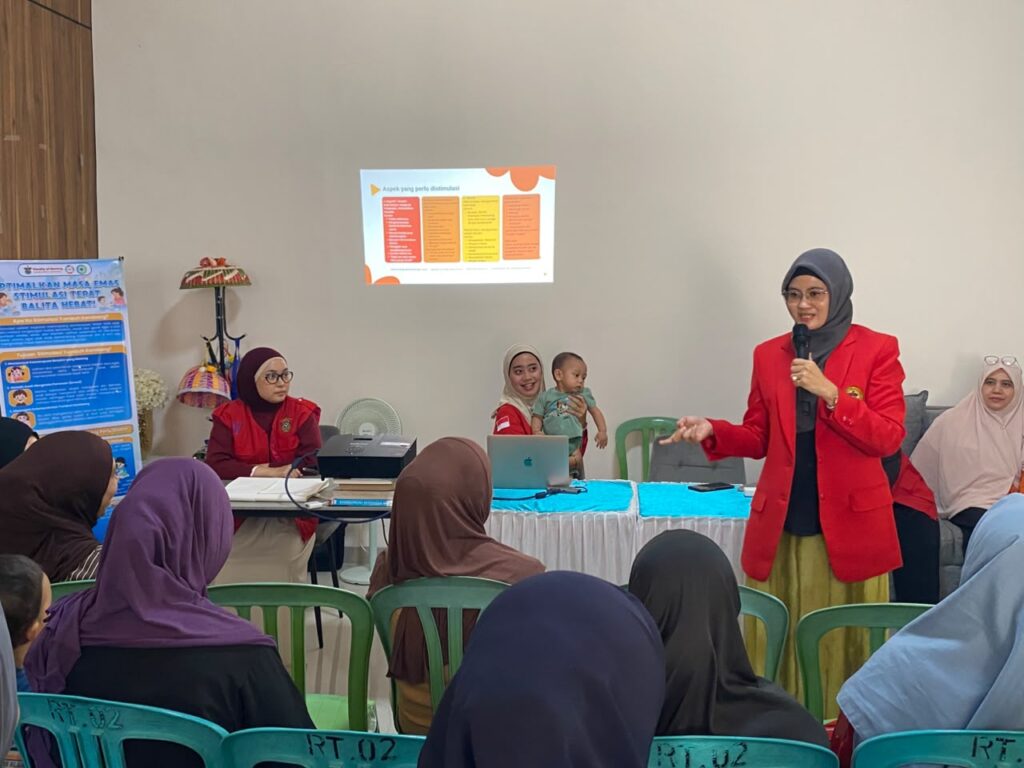
The activity brought together speakers from nursing and psychology. Nur Fadilah, S.Kep., Ns., MN, as the Community Service Team Leader, delivered a session on anticipatory guidance, helping parents understand how to anticipate and respond appropriately to children’s developmental needs. Prof. Dr. Kadek Ayu Erika, S.Kep., Ns., M.Kes., Leader of PEDNRG, served as a resource person on child growth and development stimulation. Her session highlighted the importance of age-appropriate stimulation and meaningful parent–child interaction in supporting children’s developmental potential. Meanwhile, Athina Saraya, S.Psi., M.Psi., provided education on parenting practices that support responsive and developmentally appropriate care.
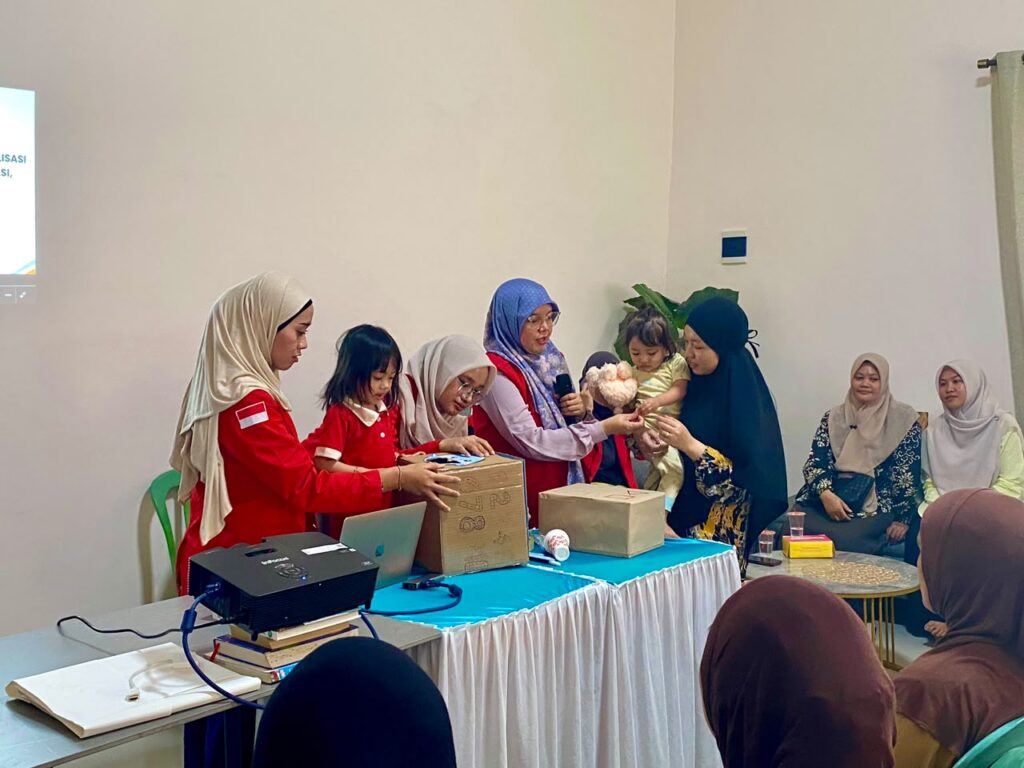
Beyond the educational sessions, participants engaged in practical simulations of play activities facilitated by Nurlaela Fitriani, S.Kep., Ns., M.Kep., Sp.Kep.Jiwa. Mothers were introduced to simple ways of utilizing readily available materials as educational play tools. The activity demonstrated how everyday materials can be transformed into meaningful learning resources to provide stimulation according to children’s developmental stages while strengthening parent–child interaction.
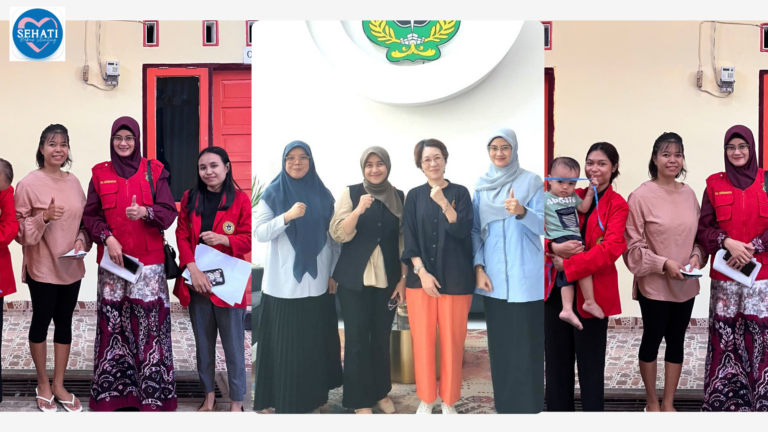
The program was also attended by the persons in charge of the Child Health, Non-Communicable Diseases (PTM), and Community Health Efforts (UKM) programs at Puskesmas Antang Perumnas. The Puskesmas expressed appreciation for the initiative, recognizing its contribution to strengthening parents’ knowledge and skills in supporting children’s growth and development.
This initiative contributes to SDGS 3 (Good Health and Well-Being) by strengthening families’ capacity to promote healthy child development through early, informed, and responsive parenting practices. It also supports SDGs 4 (Quality Education) through accessible education and practical learning using simple educational play tools. SDGs 17 (Partnerships for the Goals) by fostering collaboration among PEDNRG, Faculty of Nursing, Hasanuddin University, Puskesmas Antang Perumnas, health professionals, psychology practitioners, and families to strengthen community-based support for child growth and development.