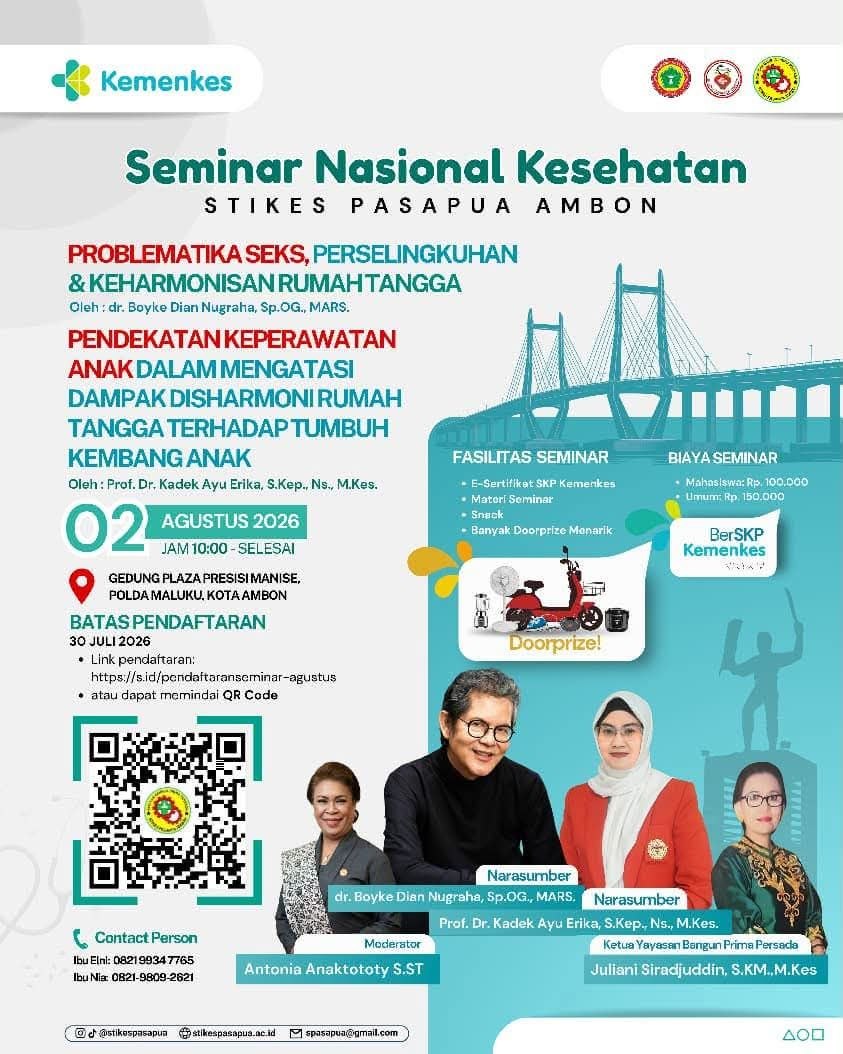

MAKASSAR, Indonesia, August 02, 2026 – PEDNRG Leader Prof. Dr. Kadek Ayu Erika, S.Kep., Ns., M.Kes., Delivers National Seminar on Pediatric Nursing Approaches to Address the Impact of Family Disharmony on Child Growth and Development, Sunday, August 2, 2026, in Plaza Presisi Manise Hall, Maluku Regional Police Headquarters (Polda Maluku), Ambon City, Indonesia. To strengthen the knowledge and competencies of healthcare professionals and students in implementing evidence-based pediatric nursing approaches that promote children’s physical, psychological, and developmental well-being.
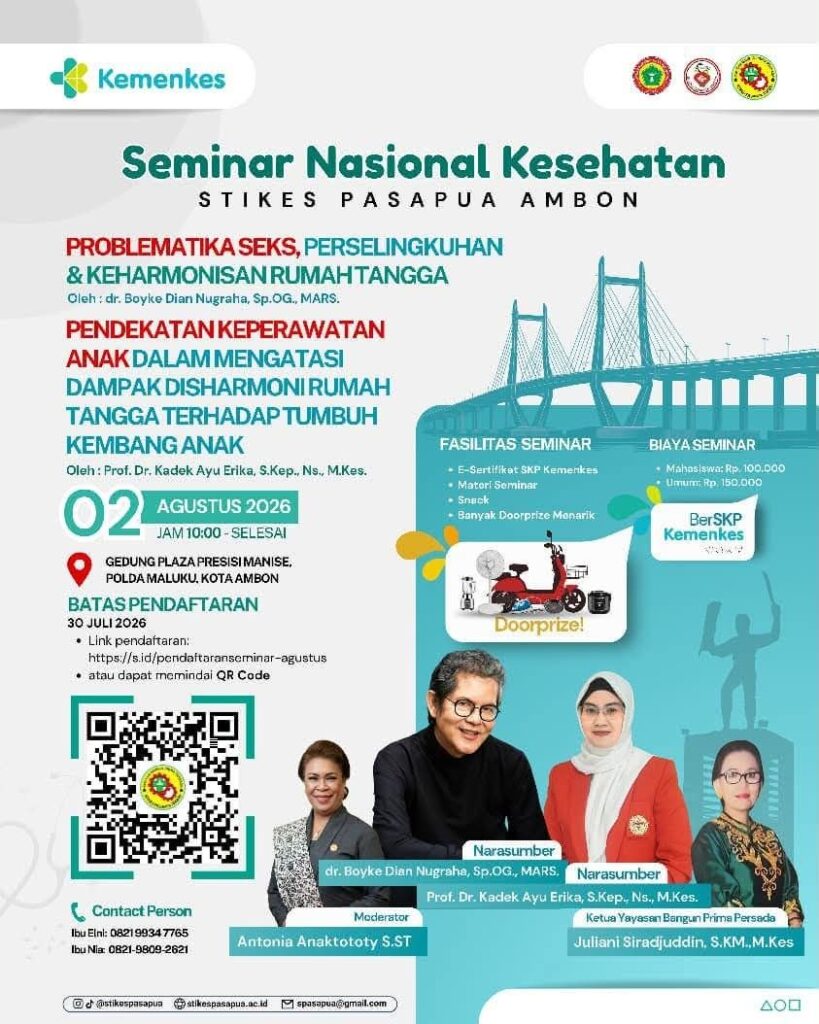
Family disharmony has become an increasingly significant public health concern because of its profound influence on children’s health, emotional security, and developmental outcomes. The seminar was attended by 800 participant, providing an excellent platform to disseminate current scientific evidence and strengthen professional competencies.
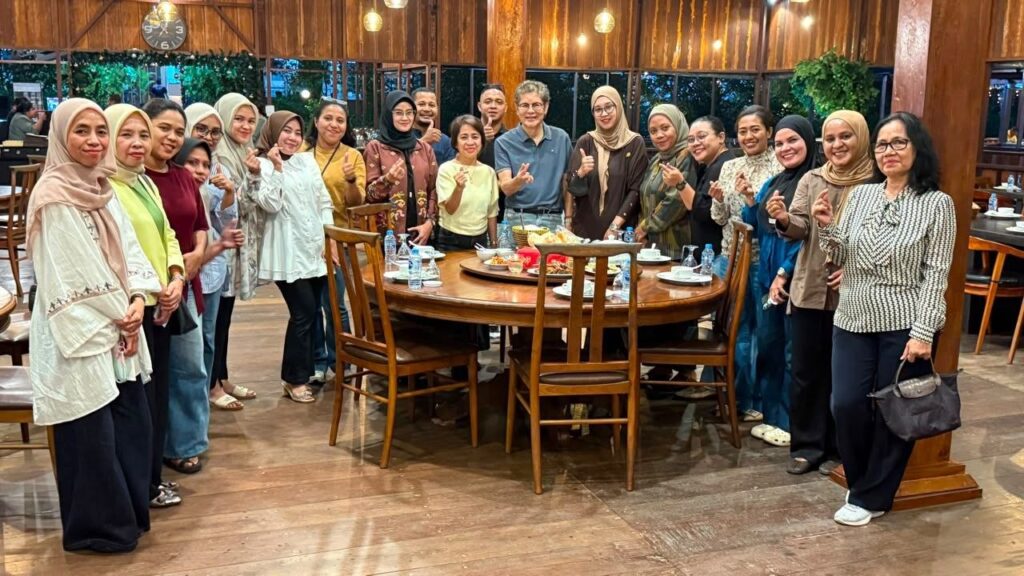
Session focus:
Participants explored comprehensive pediatric nursing strategies that integrate Family-Centered Care (FCC), Atraumatic Care, and the Roy Adaptation Model as complementary conceptual frameworks. These approaches recognize the family as an essential partner in care while promoting children’s adaptive responses and minimizing psychological distress.
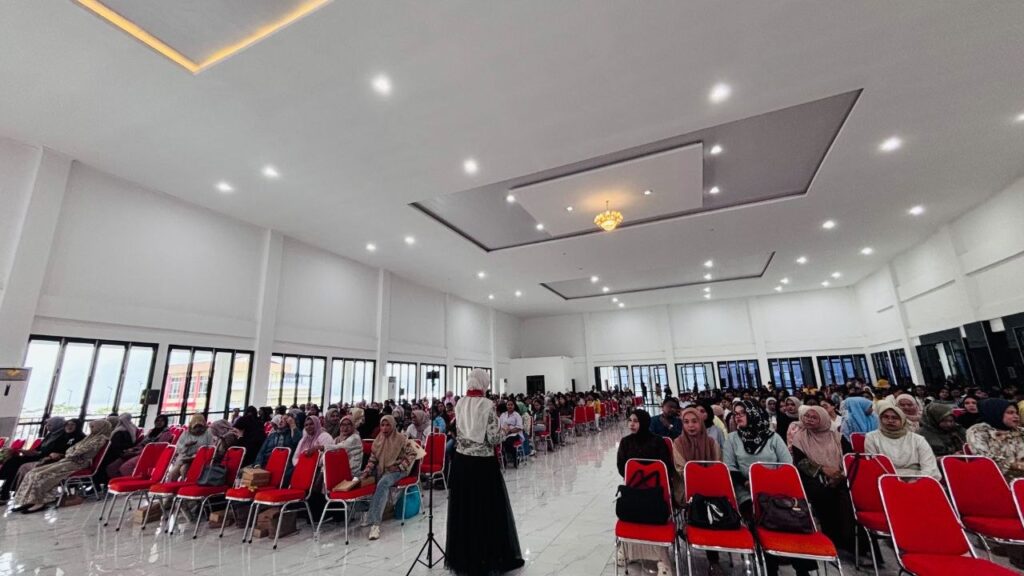
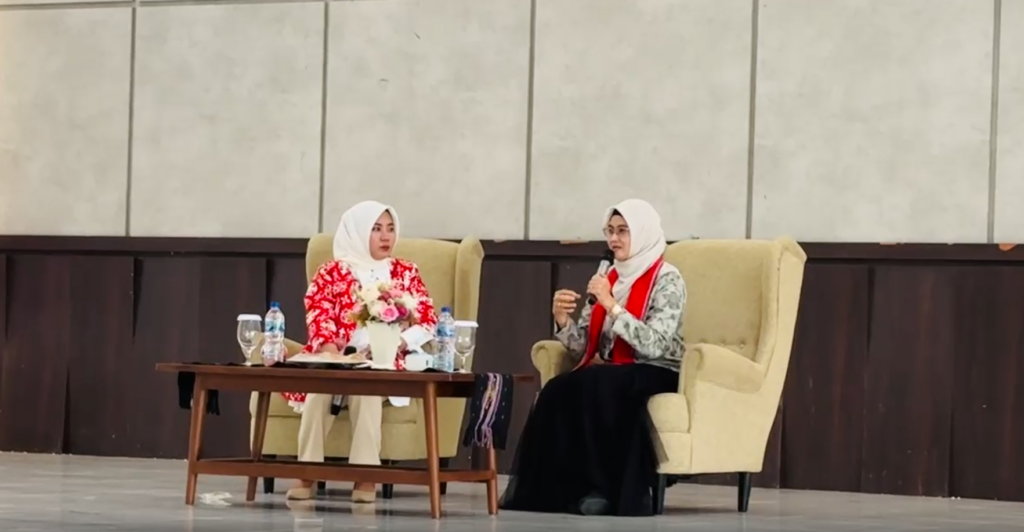
From the nursing process perspective, the session presented practical interventions including holistic assessment, psychosocial and emotional support, and education combined with environmental modification through strengthened support systems. Furthermore, participants discussed age-specific nursing interventions tailored to developmental stages, including infants (0–12 months), toddlers (1–3 years), preschool children (3–6 years), school-aged children (6–12 years), and adolescents (12–18 years). This developmental approach ensures that nursing care remains responsive to the unique physical, emotional, cognitive, and social needs of children across the lifespan.
The seminar also emphasized the importance of continuous evaluation of nursing outcomes, including enhanced emotional regulation and adaptive capacity in children, improved physical, psychological, and social development, and stronger positive communication and interactions within the family. These outcomes demonstrate the long-term value of integrating family engagement with evidence-based pediatric nursing practice.
Appreciation:
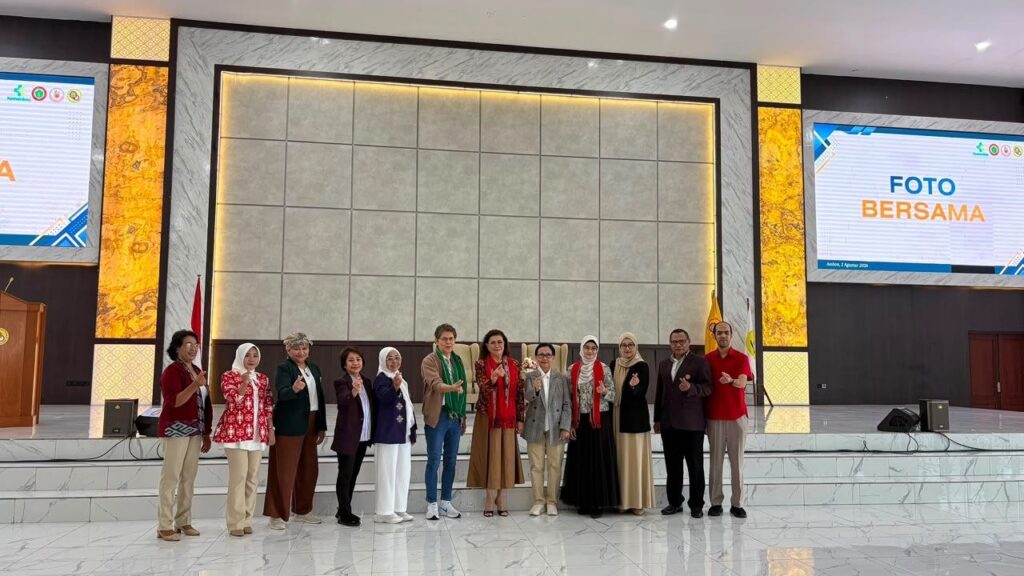
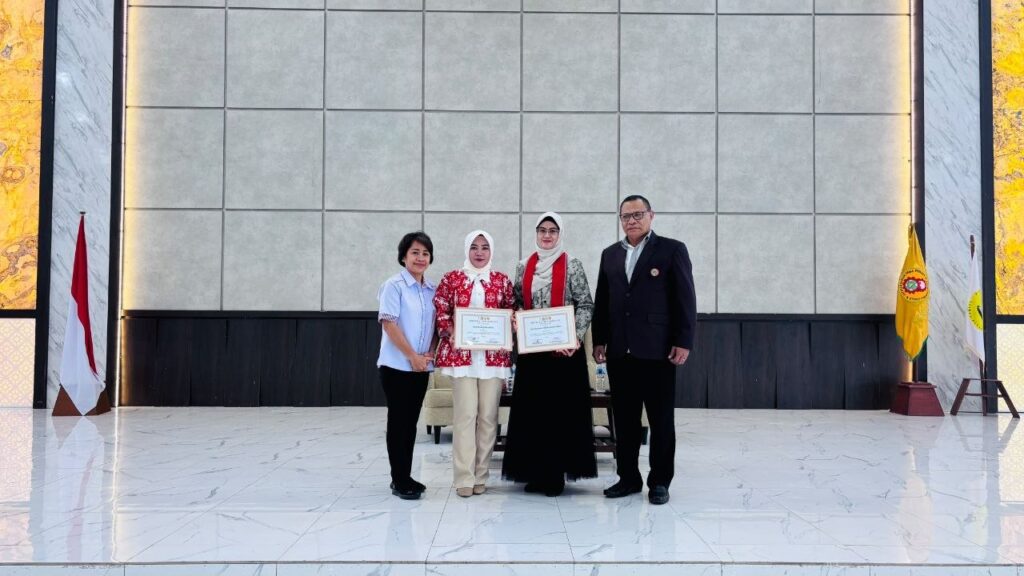
Sincere appreciation is extended to STIKES Pasapua Ambon for organizing the National Health Seminar and providing an excellent platform for scientific exchange and professional development. The distinguished speakers, dr. Boyke Dian Nugraha, Sp.OG., MARS., who presented insights on “Sexual Issues, Infidelity, and Family Harmony”.
Strengthening Child Health, Professional Competence, and Collaborative Practice:
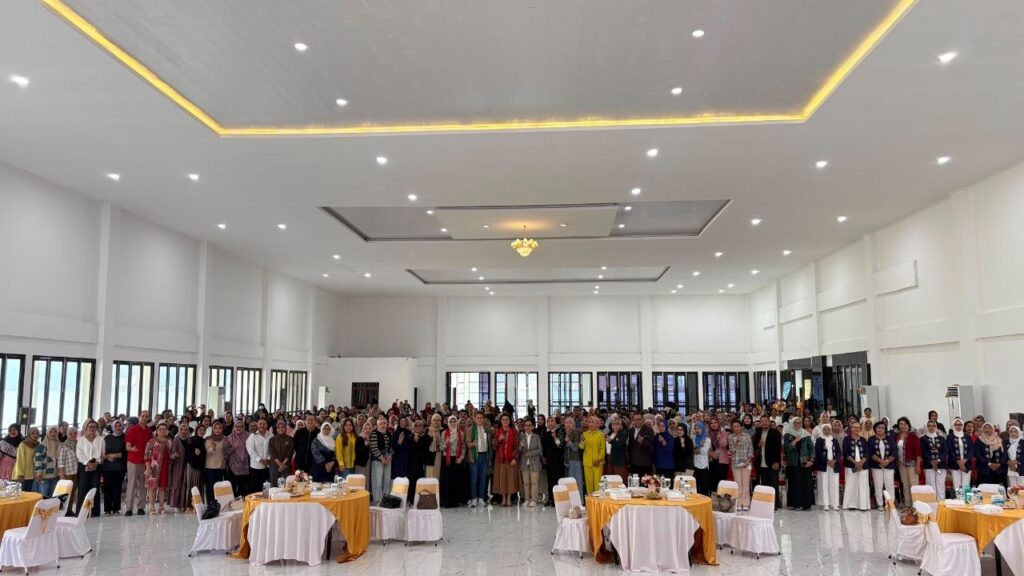
The National Health Seminar highlighted the importance of interdisciplinary collaboration and evidence-based pediatric nursing in addressing the impact of family disharmony on children’s growth and development. Through scientific discussions delivered by dr. Boyke and Prof. Kadek participants gained broader perspectives on promoting healthy families and protecting children’s physical, emotional, and psychosocial well-being.
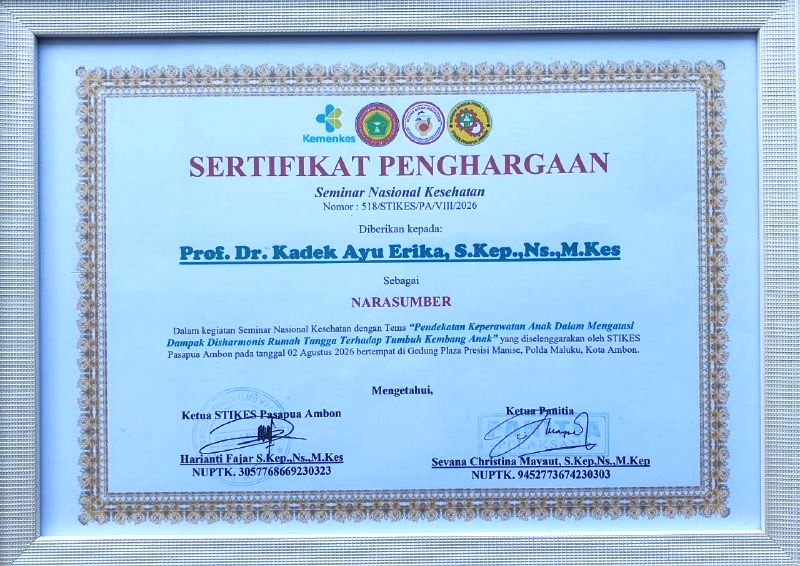
This educational initiative directly supports SDGs 3 (Good Health and Well-Being), particularly by promoting mental well-being and child health through preventive, family-oriented nursing interventions. By strengthening professional capacity and encouraging collaborative action among educators, healthcare providers, and future nurses. SDGs 4 (Quality Education) by strengthening evidence-based knowledge and professional competencies among healthcare supervisors and university students. SDGs 17 (Partnerships for the Goals) by fostering collaboration among STiKes Pasapua Ambon, Faculty of Nursing, and future nurses to improve child health outcomes.
See more on YouTube