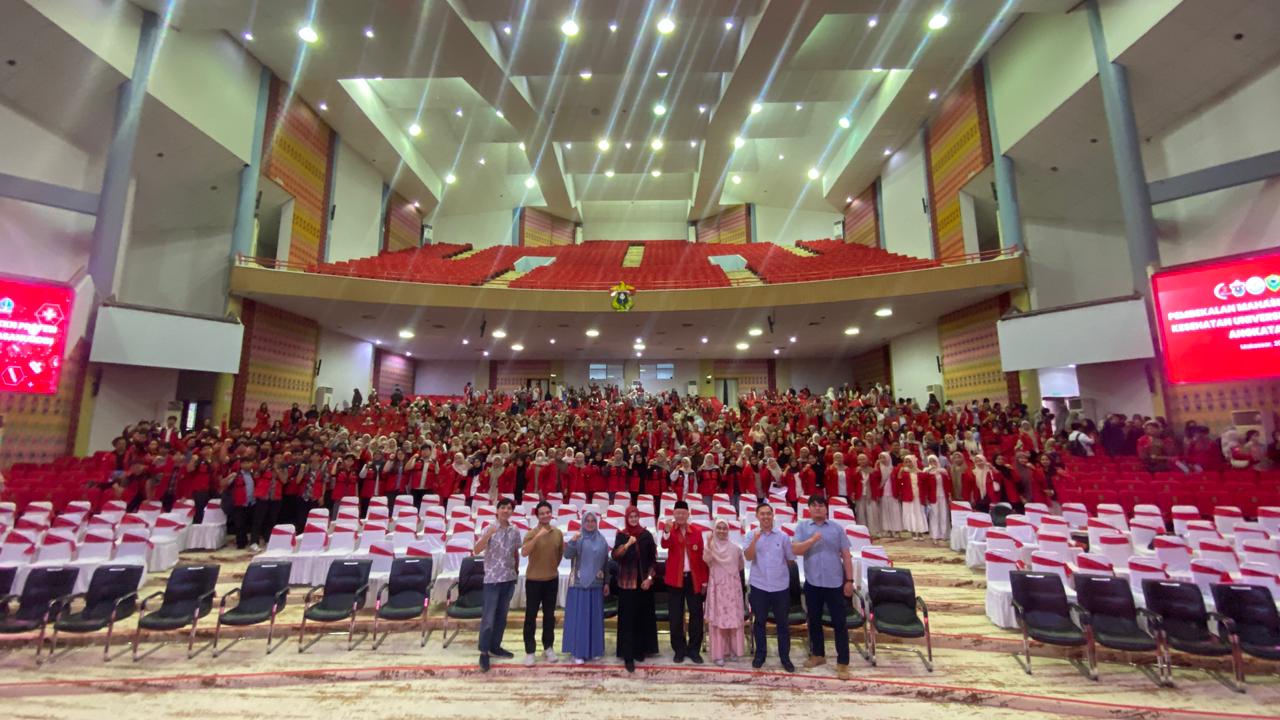

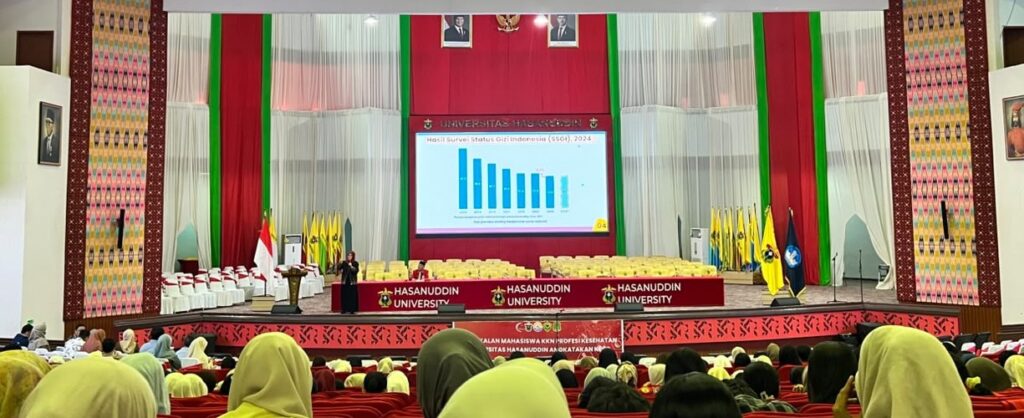
MAKASSAR, Indonesia, June 20, 2026 – As part of the Special Orientation for Community Service Program- Healthcare professionals (KKN-PK) Students of the 69th, Hasanuddin University held an important scientific and educational session focused on one of Indonesia’s most pressing public health challenges: stunting. The session took place at Baruga AP. Pettarani Unhas on Saturday, June 20, 2026, and featured Prof. Dr. Kadek Ayu Erika, S.Kep., Ns., M.Kes., the leader of the PEDNRG as the keynote speaker.
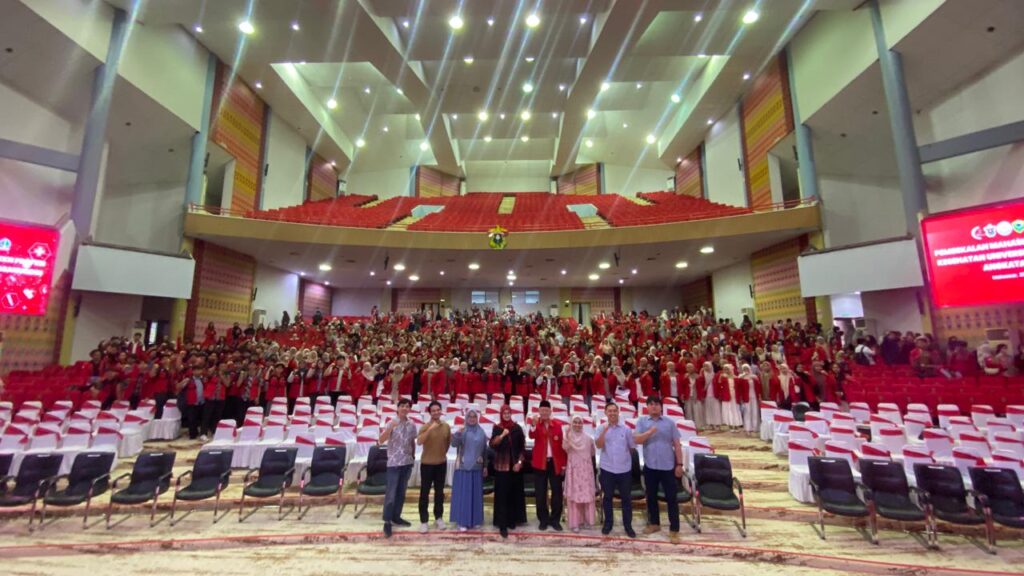
The activity was attended by 50 supervisors and 1,120 students, reflecting strong institutional commitment to building interdisciplinary collaboration for public health improvement. During the session, Prof. Kadek emphasized that stunting is not merely a health issue but a multidimensional challenge involving nutrition, education, sanitation, and socioeconomic conditions. Nationally, Indonesia has shown significant progress, with the prevalence of stunting declining to 19.8%, indicating positive achievements in child health and nutrition.
Carrying the theme “Early Prevention and Management of Stunting”, this special session aimed to strengthen the understanding and readiness of students as future community facilitators in addressing child growth and nutrition problems at the grassroots level. The purpose of this activity was to enhance participants’ knowledge regarding early stunting prevention strategies, improve awareness of maternal and child nutritional needs, and encourage evidence-based community interventions to accelerate stunting reduction in Indonesia.
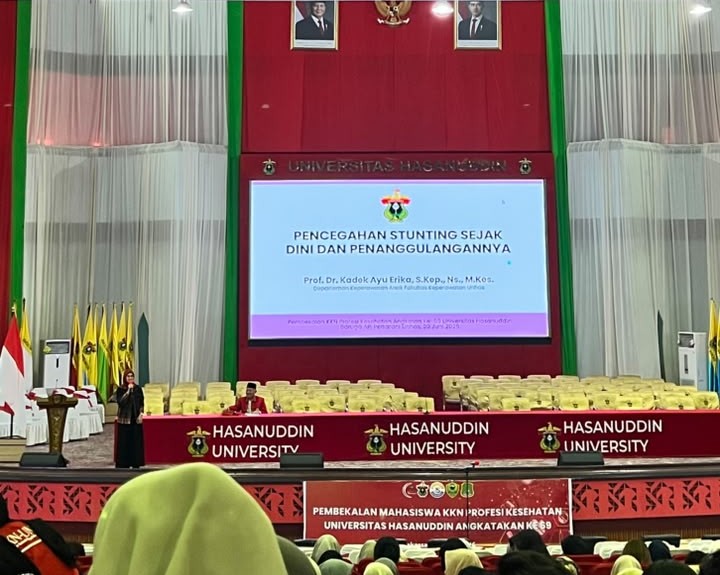
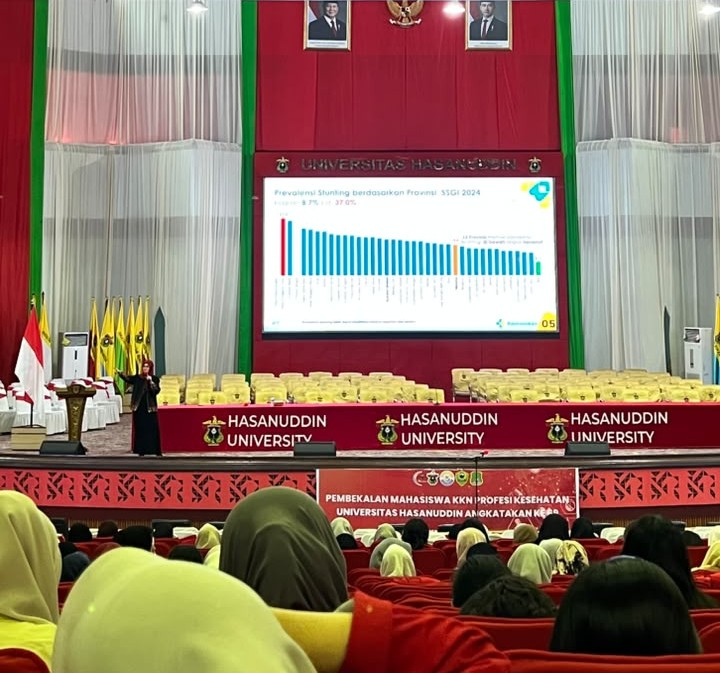
Session Focus
- The session emphasized that stunting remains a major challenge affecting children’s physical growth, cognitive development, and future productivity. The session covered key topics including the First 1,000 Days of Life and its critical challenges, strategies for stunting prevention and management, the essential role of families in preventing stunting, and the contribution of university students in strengthening community-based health interventions.
- Early prevention and management of stunting are fundamental to creating the Golden Generation 2045—a generation that is healthy, intelligent, productive, and globally competitive.
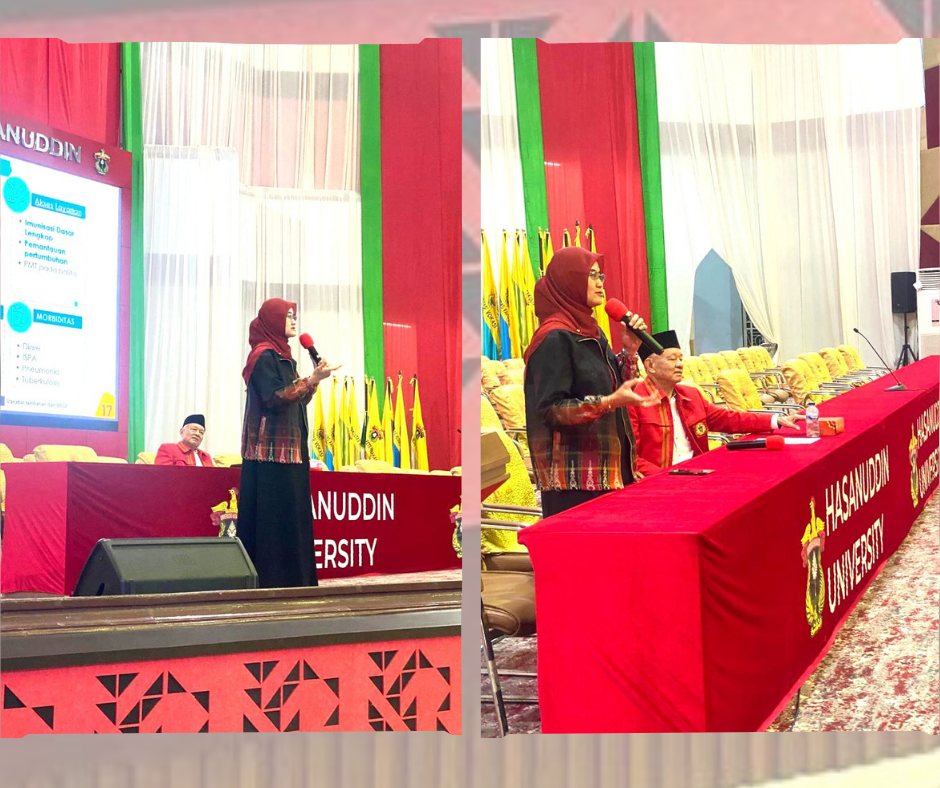
Strategic Interventions Highlighted
- Prof. Kadek introduced 11 priority intervention programs aimed at preventing and accelerating stunting reduction, including: The session further elaborated on 11 strategic intervention programs designed to accelerate stunting prevention and reduction. These interventions include maternal and child nutritional fulfillment, exclusive breastfeeding, appropriate complementary feeding (MP-ASI), immunization, regular growth monitoring, improved sanitation, and family-centered education. These comprehensive measures form the backbone of Indonesia’s integrated stunting management strategy.
Discussion Highlights
The session explored the multidimensional causes of stunting, including malnutrition, recurrent infections, poor sanitation, inadequate parenting practices, and socioeconomic inequalities. Participants were encouraged to understand their strategic role as health educators and facilitators in rural and vulnerable communities.
This initiative directly aligns with SDGs 3 (Good Health and Well-being), which focuses on ensuring healthy lives and promoting well-being for all ages. SDGs 2 (Zero Hunger), by emphasizing nutritional adequacy, and SDGs 4 (Quality Education), through strengthening health literacy among university students as agents of change.
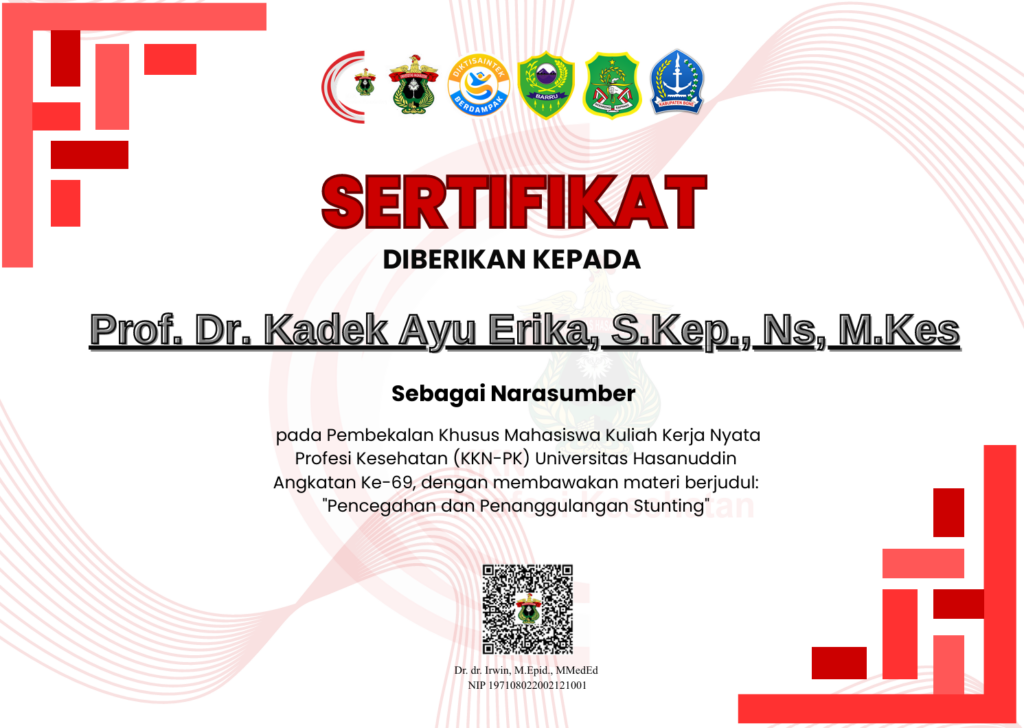
Through this scientific briefing, Hasanuddin University reaffirmed its commitment to empowering young generations with knowledge and practical competencies to contribute meaningfully to national health development.