
MAKASSAR, Indonesia, May 26, 2026 – In response to the request for reporting data related to the social, economic, and environmental impact assessment of higher education programs by the Ministry of Higher Education, Science, and Technology, the Directorate of Innovation and Intellectual Property of Hasanuddin University, as the coordinator of the Matching Fund Kedaireka and Priority Research Downstreaming Programs 2022–2025, organized an evaluation workshop aimed at assessing the outcomes and sustainability of various innovation and research collaboration initiatives that have been implemented by funding recipients.
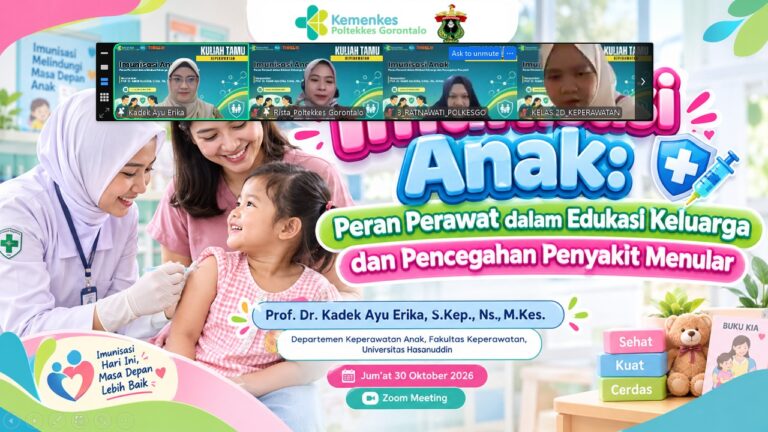
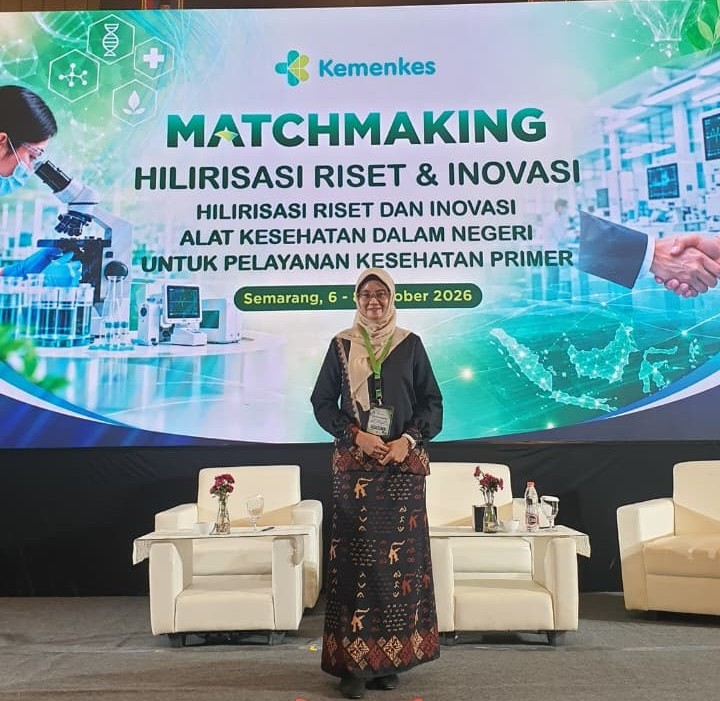
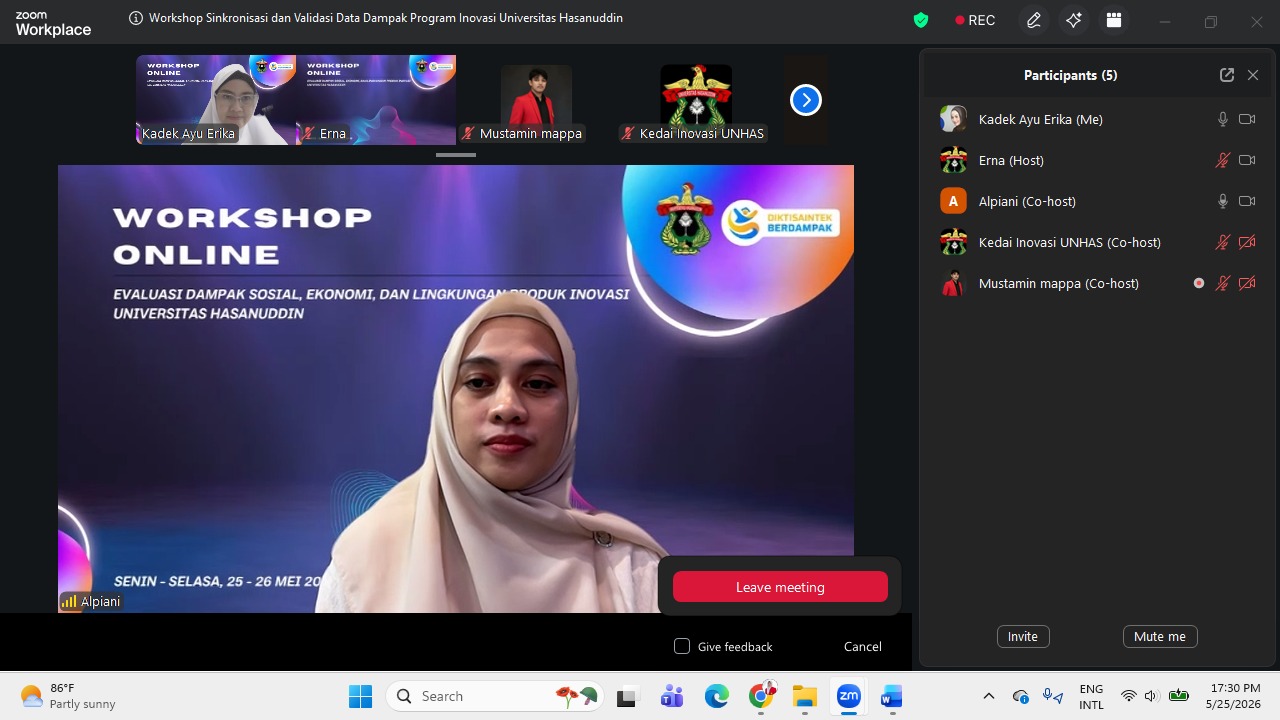
PEDNRG Leader by Prof. Dr. Kadek Ayu Erika, S.Kep., Ns., M.Kes., speaker at the Importance of Social Impact Evaluation at the Matching Fund Kedaireka and Priority Research Downstreaming Workshop 2022–2025. The activity was conducted through Zoom Meeting on May 25, 2026, from 15.30–17.30 WITA, and involved 30 inventors from various innovation, research downstreaming, and collaborative partnership programs. The workshop served as a strategic platform for participants to identify, document, and communicate the broader contributions generated through their innovations, particularly in relation to social welfare, economic empowerment, and environmental sustainability.
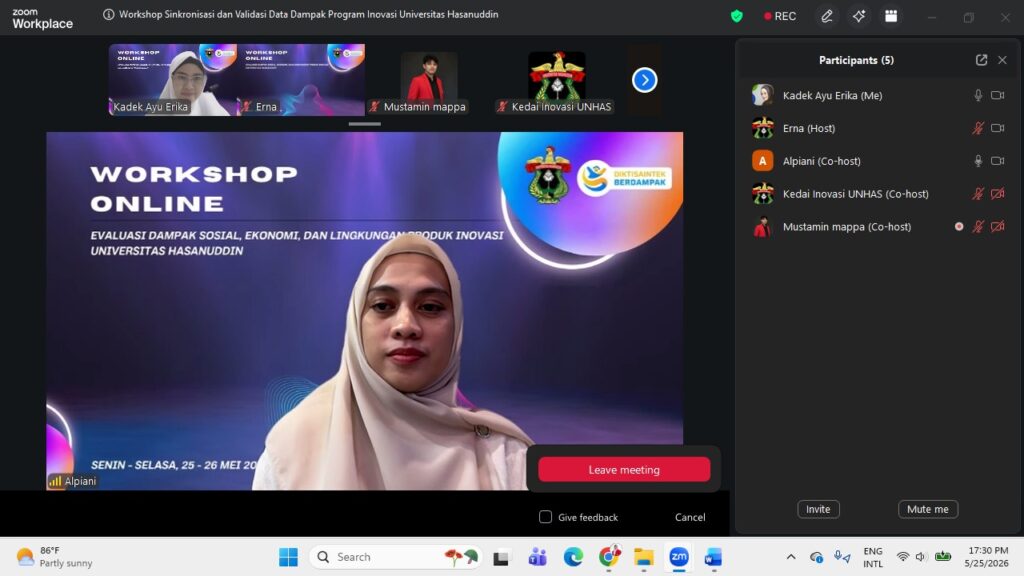
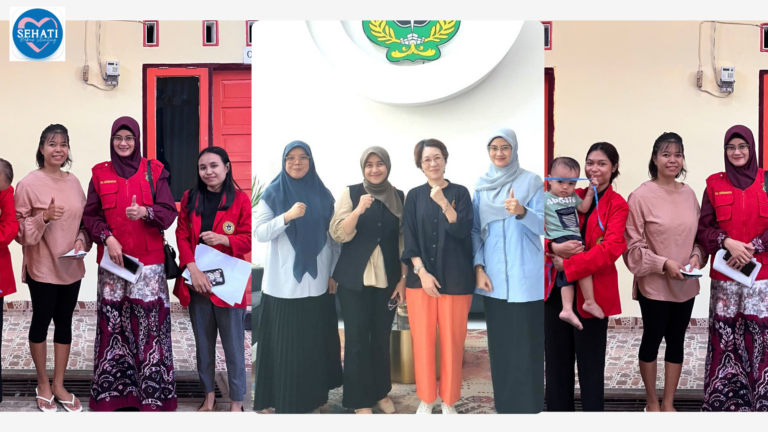
One of the invited speakers was Leader of PEDNRG, who presented the innovation entitled SEHATI Application (Sistem Evaluasi Kesehatan Anak Tumbuh Ideal) Bebas Stunting. During her presentation, Prof. Kadek Ayu Erika emphasized the importance of integrating digital health innovation into community-based health promotion and early childhood monitoring systems. The SEHATI Application was introduced as an innovative technological approach designed to support parents and healthcare workers in monitoring children’s growth and development, while simultaneously strengthening efforts to prevent stunting and improve child health outcomes in Indonesia.
Furthermore, the workshop highlighted the significance of evidence-based evaluation in ensuring that innovation programs funded through national collaboration schemes produce measurable and sustainable impacts. Participants were encouraged to demonstrate how their programs contribute not only to academic advancement but also to community empowerment, policy development, and cross-sector collaboration. Through interactive discussions and knowledge sharing sessions, the workshop also strengthened networking opportunities among inventors, researchers, and institutional stakeholders.
This activity directly supports to SDGs 3 (Good Health and Well-Being) by promoting early detection of growth and developmental problems, strengthening child health monitoring, and supporting stunting prevention initiatives. In addition, the workshop advances SDGs 4 (Quality Education) through research dissemination, scientific learning, and capacity-building activities among inventors and academic communities. Equally important, the collaboration established between universities, government institutions, researchers, and innovation partners demonstrates a strong commitment toward achieving SDGs 17 (Partnerships for the Goals), which emphasizes strategic partnerships to accelerate sustainable development and innovation-driven solutions.
Through this workshop, Hasanuddin University reaffirmed its commitment to fostering impactful innovation, strengthening research downstreaming initiatives, and promoting interdisciplinary collaboration that benefits society at large. The activity also demonstrated the important role of higher education institutions in generating transformative solutions that address public health challenges while contributing to sustainable national development.