
MAKASSAR, Indonesia, April 27, 2026 — The increasing prevalence of non-communicable diseases underscores the importance of these topics in contemporary healthcare. Preventive strategies and evidence-based nursing interventions are essential to reduce complications and long-term impacts. Community-based approaches in Pohnpei and diabetic care practices in Japan highlight practical, culturally relevant solutions, making them highly relevant to Global Expertise Meets Local Care: A Visiting Lecture from Niigata University, where international perspectives meaningfully strengthen local nursing practice and education.
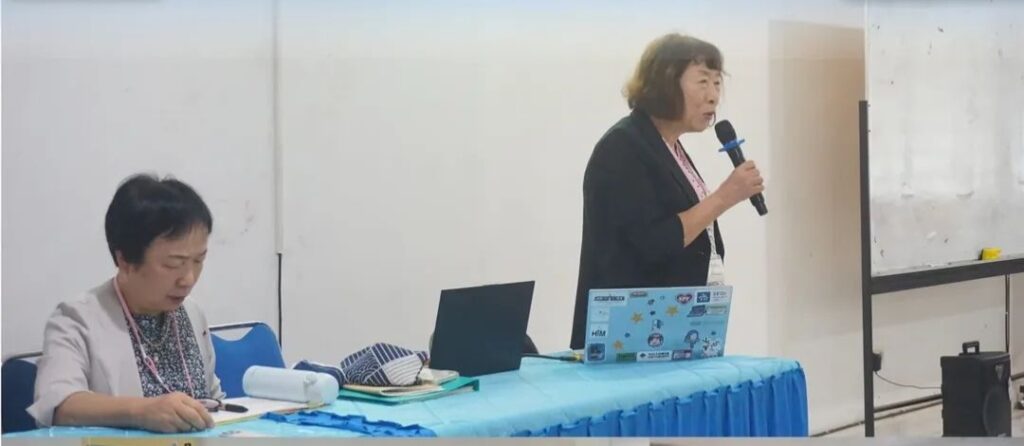
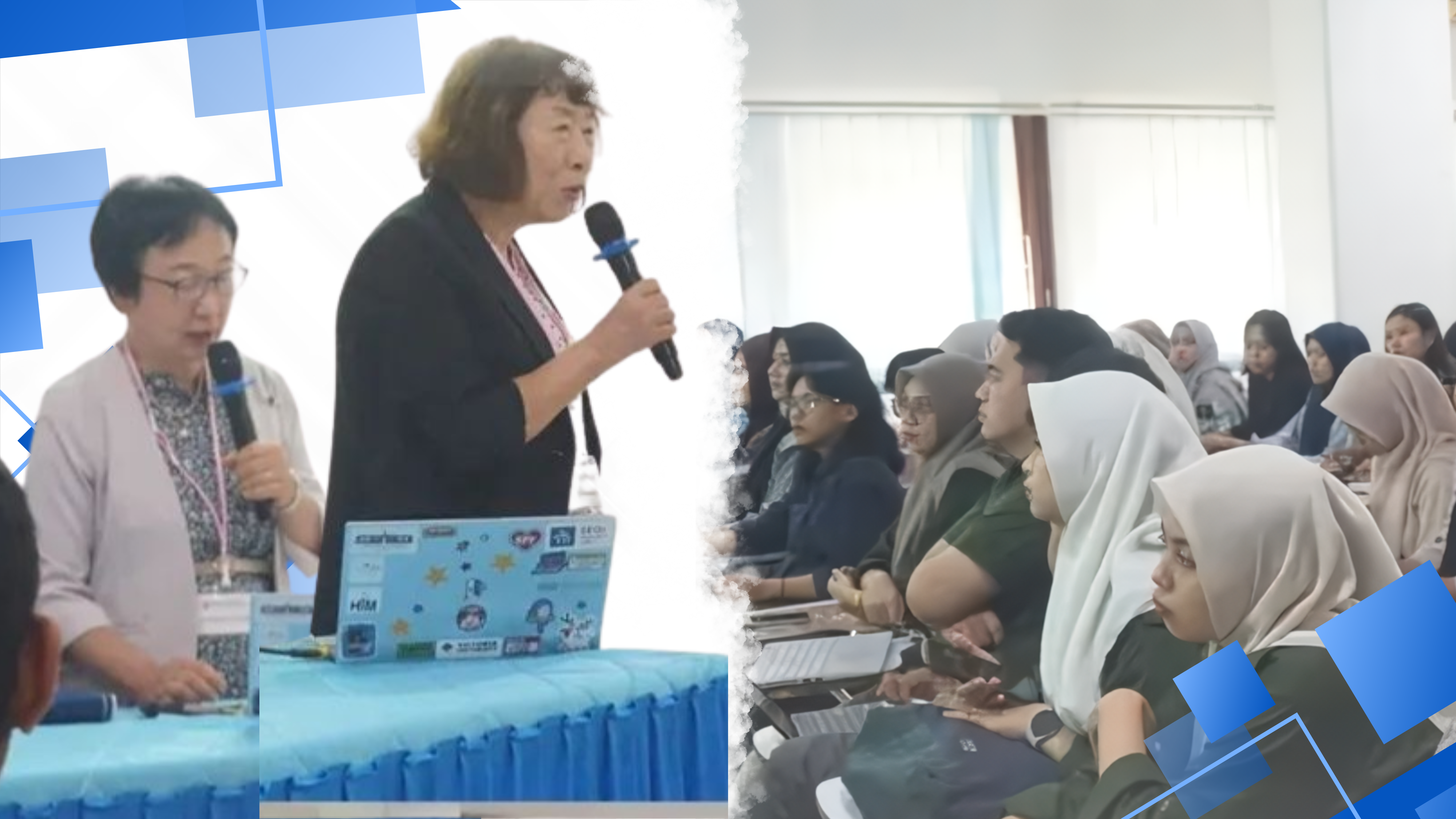
On Wednesday, March 4, 2026, the Faculty of Nursing, Hasanuddin University, Makassar, hosted an enriching international academic exchange through a visiting lecture held at Classroom Number 106, Faculty of Nursing, Hasanuddin University, Makassar. This collaborative initiative brought together scholars and students from Indonesia and Japan, fostering meaningful dialogue on global health challenges and nursing practices.
The event featured distinguished international partners, namely Fusayo Kobayashi, RN., PHN., Ph.D (Community Health and International Nursing, Niigata University of Health and Welfare, Japan) and Tomoko Nonaka (Specialist in Chronic Care Nursing, Niigata University of Health and Welfare, Japan). Their presence strengthened academic cooperation and provided valuable global perspectives relevant to contemporary nursing practice.
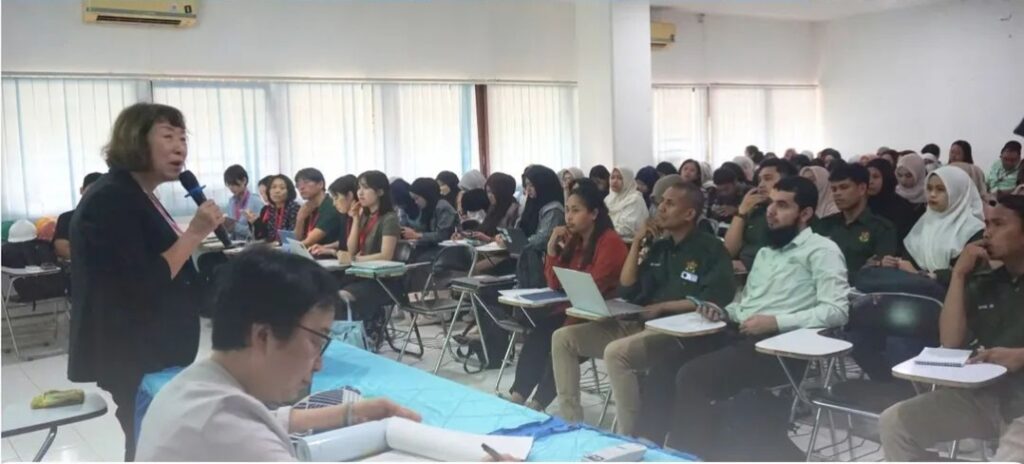
The primary objective of this activity was to enhance participants understanding of preventive healthcare strategies and evidence-based nursing interventions in addressing non-communicable diseases. Specifically, Fusayo Kobayashi delivered a lecture on “Prevention of Lifestyle-related Diseases in Pohnpei State, Federated States of Micronesia,” emphasizing community-based interventions and the role of public health nursing in reducing disease burden. Meanwhile, Tomoko Nonaka presented “Diabetic Nursing Practice in Japan: Preventive Foot Care and Older Adult Care,” highlighting practical approaches in managing diabetes complications, particularly among aging populations.
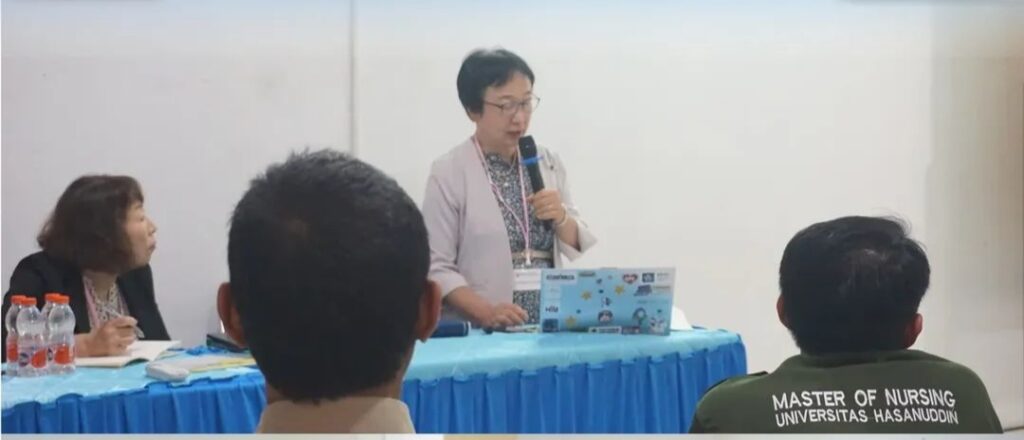
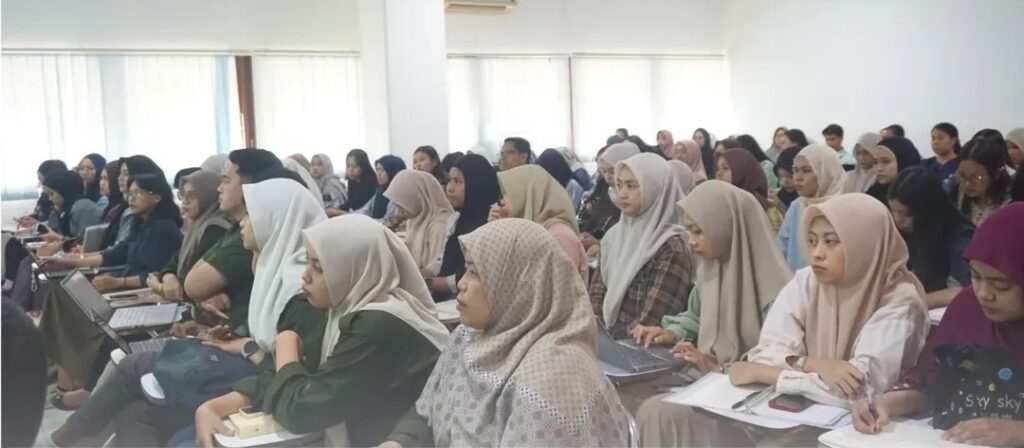
This activity involved 10 students and 3 lecturers from Niigata University of Health and Welfare, and 80 students along with 7 lecturers from the Faculty of Nursing, Hasanuddin University. The session was also attended by members of the PEDNRG, including Nur Fadilah, S.Kep., Ns., MN., and student participants such as Muti Sahida, UM, S.Kep., Ns., Cristian Somalinggi, S.Kep., Ns., Ninda Regita Cahyani, S.Kep., Ns., Sara Regina dos Reis Pires, S.Kep., Ns., Yulita Palembangan, S.Kep., Ns., and other students. Their active participation contributed to a dynamic academic environment, encouraging cross-cultural exchange and critical discussion.
This visiting lecture aligns strongly with SDGs 3 (Good Health and Well-being) by promoting strategies to reduce the prevalence of lifestyle-related diseases. It also advances SDGs 4 (Quality Education) by delivering high-quality education and fostering academic excellence. Furthermore, by strengthening collaboration between Indonesian and Japanese institutions, the program exemplifies SDGs 17 (Partnerships for the Goals) highlighting the importance of global partnerships in addressing health issues.
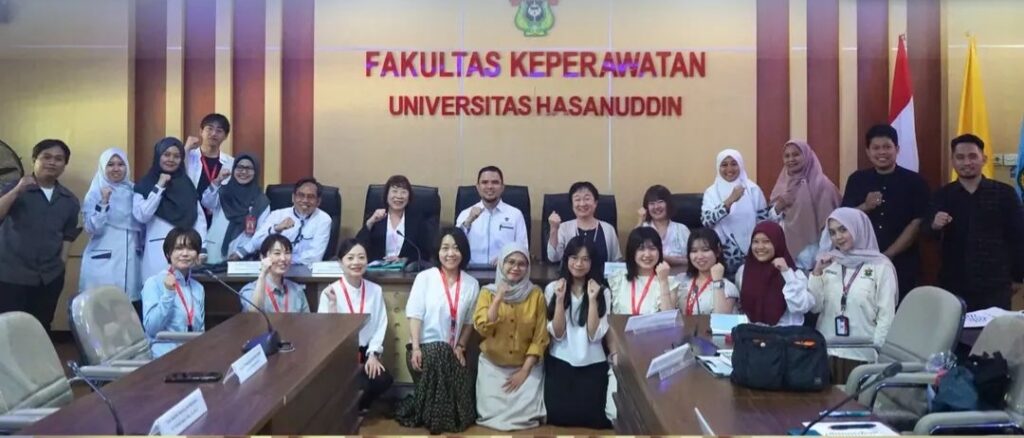
More forward, this initiative reflects a commitment to developing globally competent nursing professionals equipped with knowledge and skills to address complex health challenges. The visiting lecture not only enriched academic insight but also reinforced the importance of international collaboration in advancing nursing education and practice.