
Pangkajene and Kepulauan Regency, Indonesia, April 15, 2026 – As part of our commitment to the Tri Dharma of Higher Education, research, and community service – PEDNRG conducted a community engagement program integrating digital innovation to prevent stunting through SEHATI Application in Pangkep Regency. Stunting, defined as impaired growth due to chronic malnutrition, remains a critical public health issue that affects not only children’s physical development but also their cognitive capacity and long-term productivity. PEDNRG initiated a collaborative program aimed to assess the effectiveness of integrating the SEHATI application in preventing stunting in Pangkep Regency, with a strong emphasis on empowering mothers as key actors in monitoring their children’s nutritional status and health development. The implementation took place from July 16, 2025 – October 20, 2025, involving a total of 139 participants.
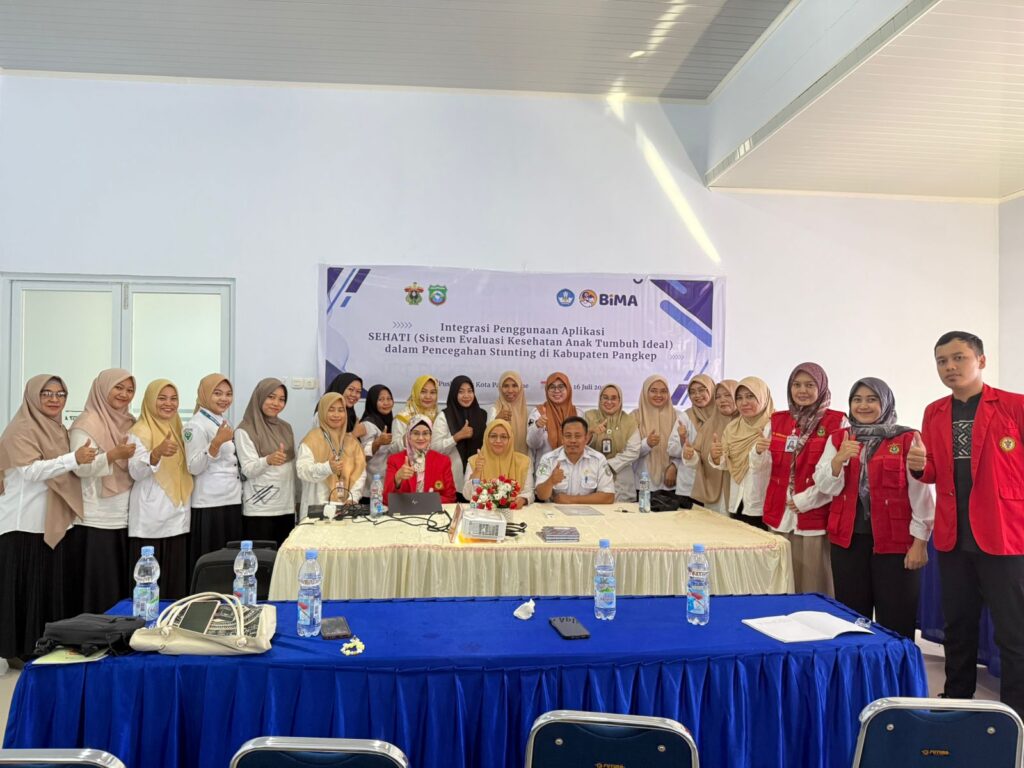
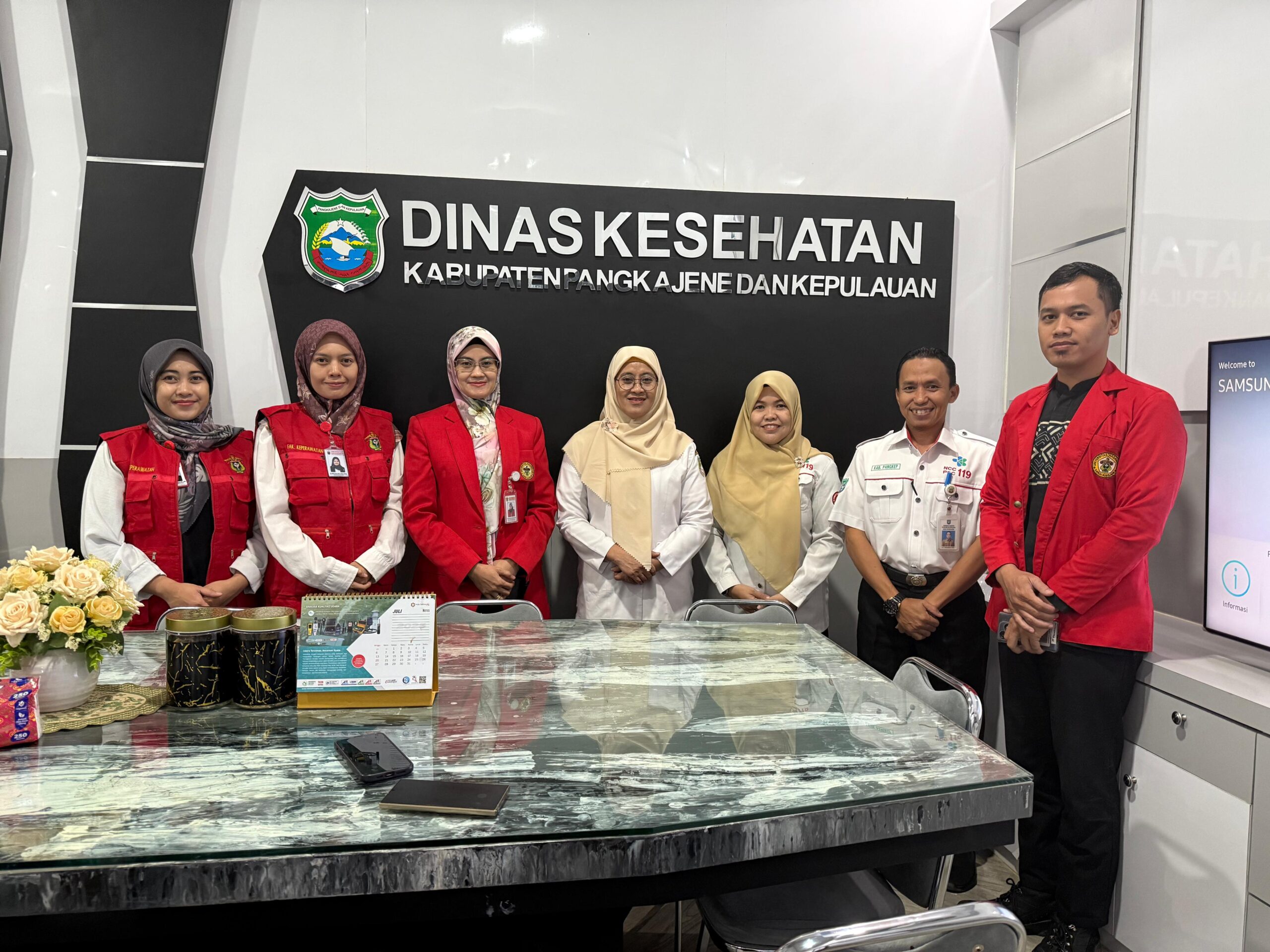
The program was implemented in Pangkep Regency, a setting that offers significant potential for integrating digital health solutions into primary healthcare services. The activity began with an initial coordination and socialization meeting with the Head of the District Health Office, the Head of Human Resources for Health (SDK), and the Head of Public Health (Kesmas) at the Pangkep District Health Office. By leveraging community-based healthcare facilities, the initiative created an enabling environment for the adoption of technology-driven interventions, particularly among mothers of children under five.
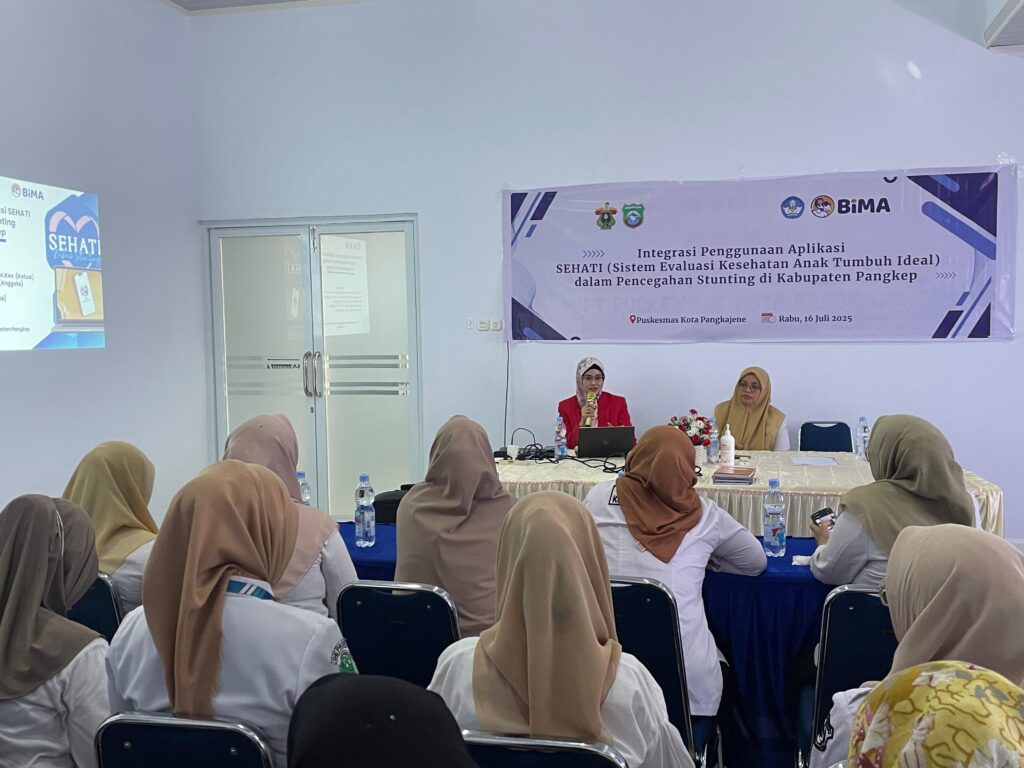
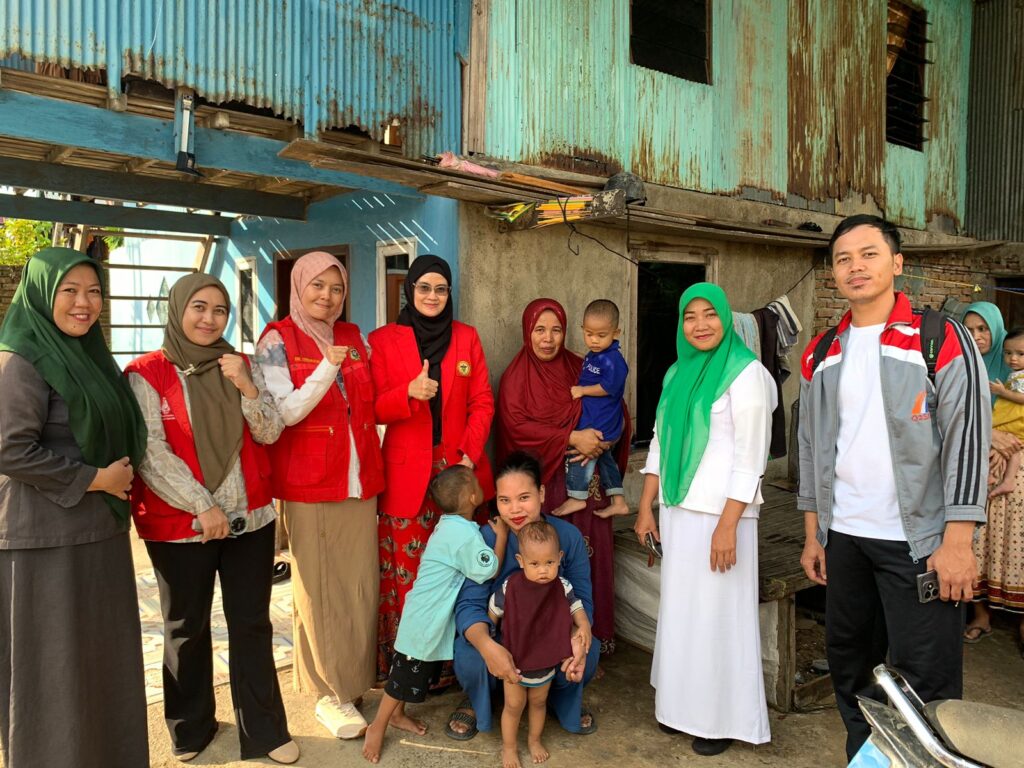
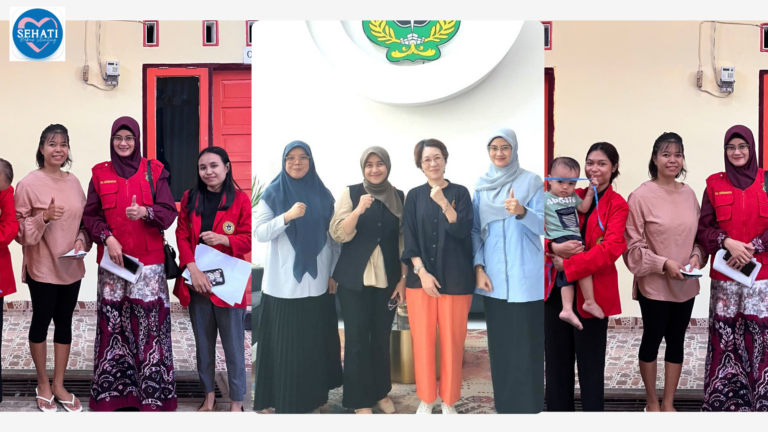
Subsequently, the training sessions were conducted at Kota Public Health Center, Pangkep Regency. These activities included socialization, training, and hands-on assistance in the use of the integrated SEHATI application and its supporting website at Puskesmas Kota, Pangkajene, Pangkep Regency. This activities contributed PEDNRG Leader by Prof. Dr. Kadek Ayu Erika, S.Kep., Ns., M.Kes., and PEDNRG Lecture by Nur Fadilah, S.Kep., Ns., MN.
Through this structured approach, the program provided both technological support and continuous guidance, enabling mothers to access health information, monitor growth indicators, and make informed decisions regarding child nutrition. The SEHATI application functioned as an accessible digital platform that enhanced maternal knowledge and engagement.
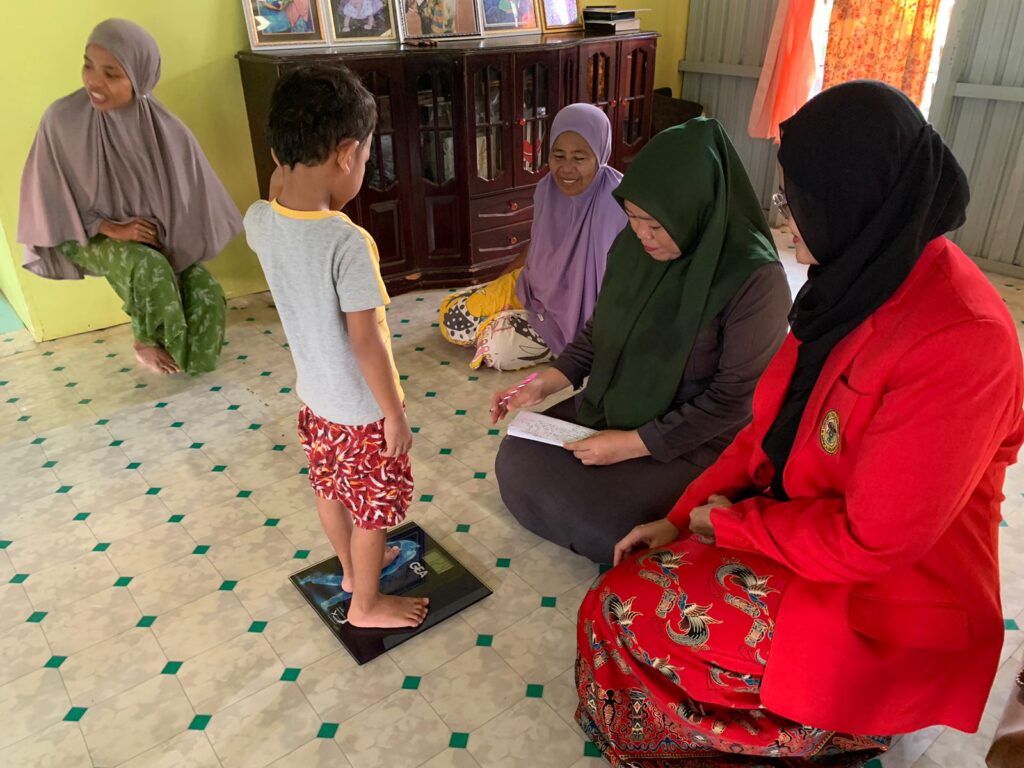
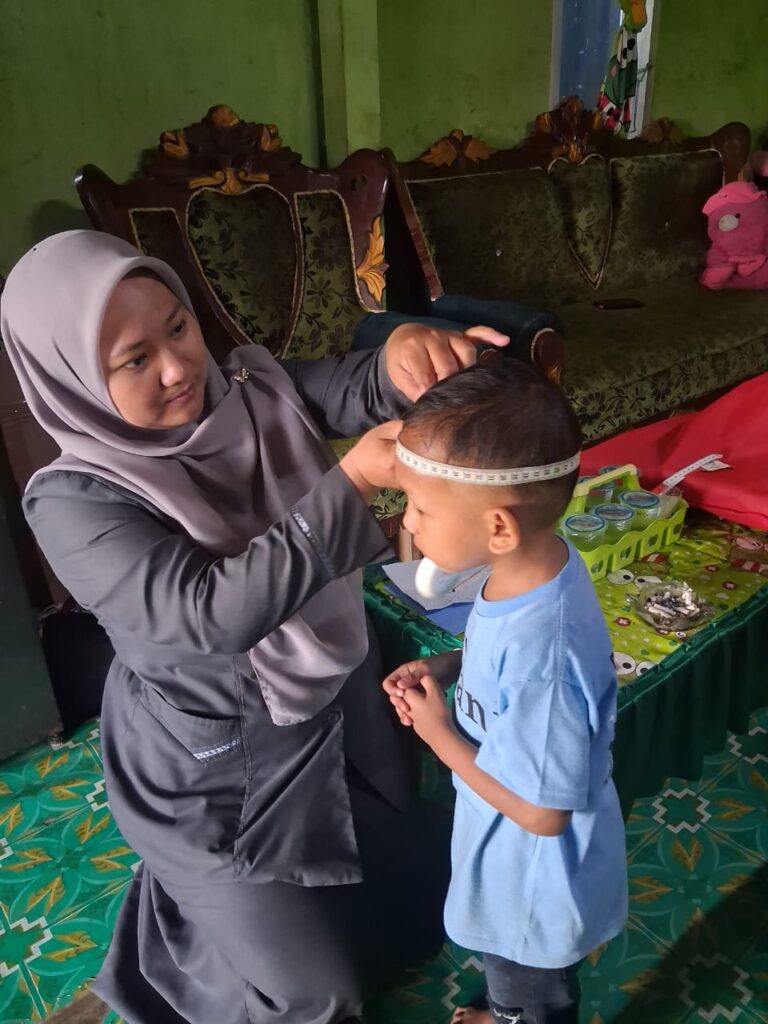
This community engagement initiative by PEDNRG underscores a commitment to the SDGs 3 (Good Health and Well-being), which emphasizes ensuring healthy lives and promoting well-being for all ages. SDGs 4 (Quality Education) by promoting health literacy and continuous learning among mothers. Through the application, users gained practical knowledge about nutrition, child growth monitoring, and preventive care. SDGs 1 (No Poverty) by addressing the long-term socioeconomic impacts of stunting. Preventing stunting helps improve future human capital, productivity, and economic resilience, which are essential components in breaking the cycle of poverty. SDGs 17 (Partnerships for the Goals) through collaboration among healthcare providers, local communities, and digital innovation platforms.
Overall, the integration of the SEHATI application demonstrates how digital innovation can be effectively embedded within community health services to address complex public health challenges. By empowering mothers with knowledge and tools, this initiative not only improves child nutritional outcomes but also contributes to broader sustainable development efforts.