
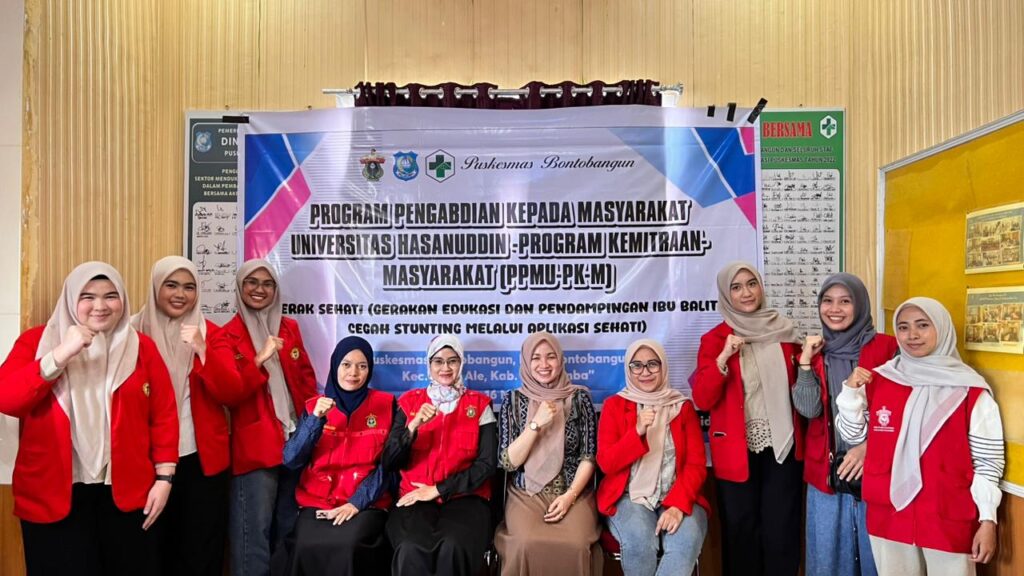
Bulukumba, Indonesia, May 16, 2026 – As part of our commitment to the Tri Dharma of Higher Education, research, and community service PEDNRG team conducted a community engagement program From Campus Innovation to Rural Impact: PEDNRG Unhas Expands the SEHATI Application for Stunting Prevention. The program began with an initial visit, coordination, and activity preparation at Puskesmas Bontobangun, Bulukumba Regency on Thursday, May 14, 2026. The main implementation of the program was subsequently conducted on Saturday, May 16, 2026. This program aimed to improve mothers knowledge and awareness in preventing stunting during the First 1,000 Days of Life (HPK), while also enhancing mothers’ ability to monitor their children’s growth and development.
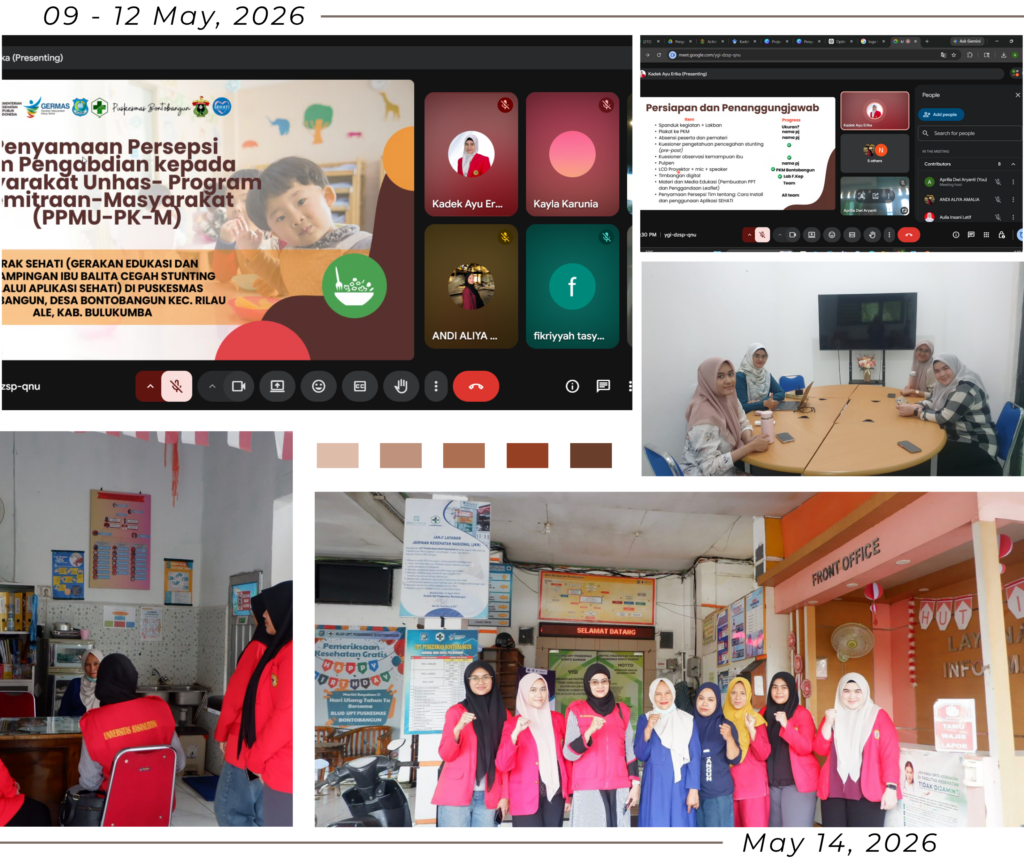
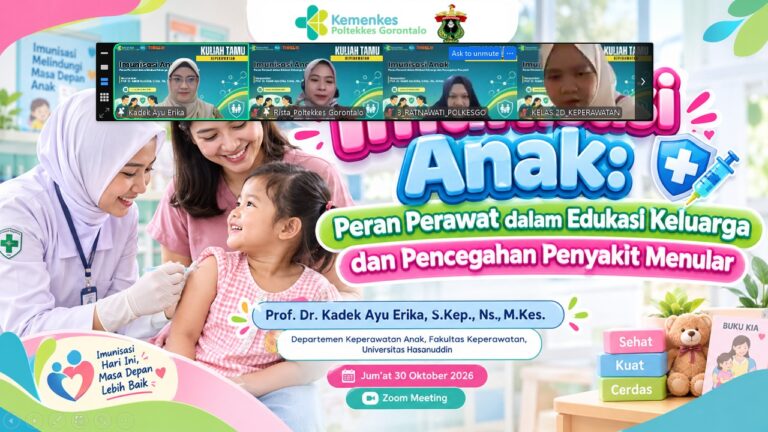
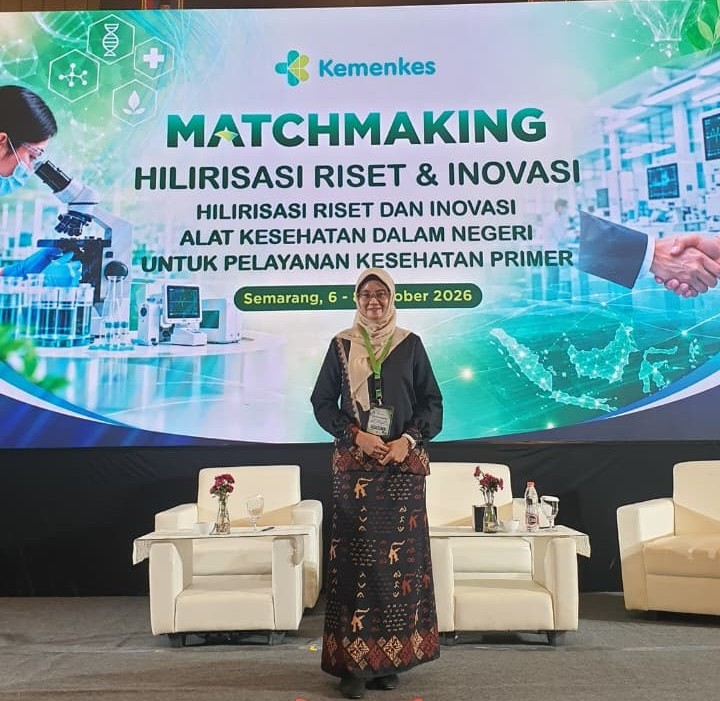
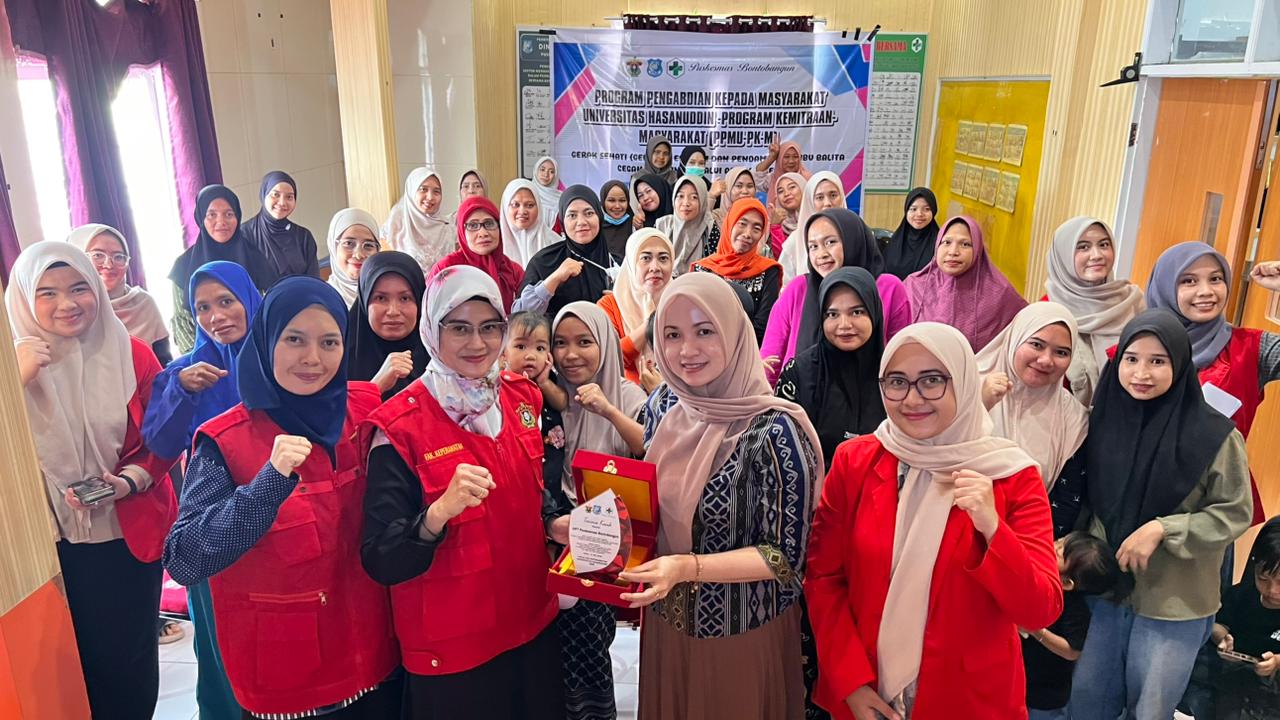
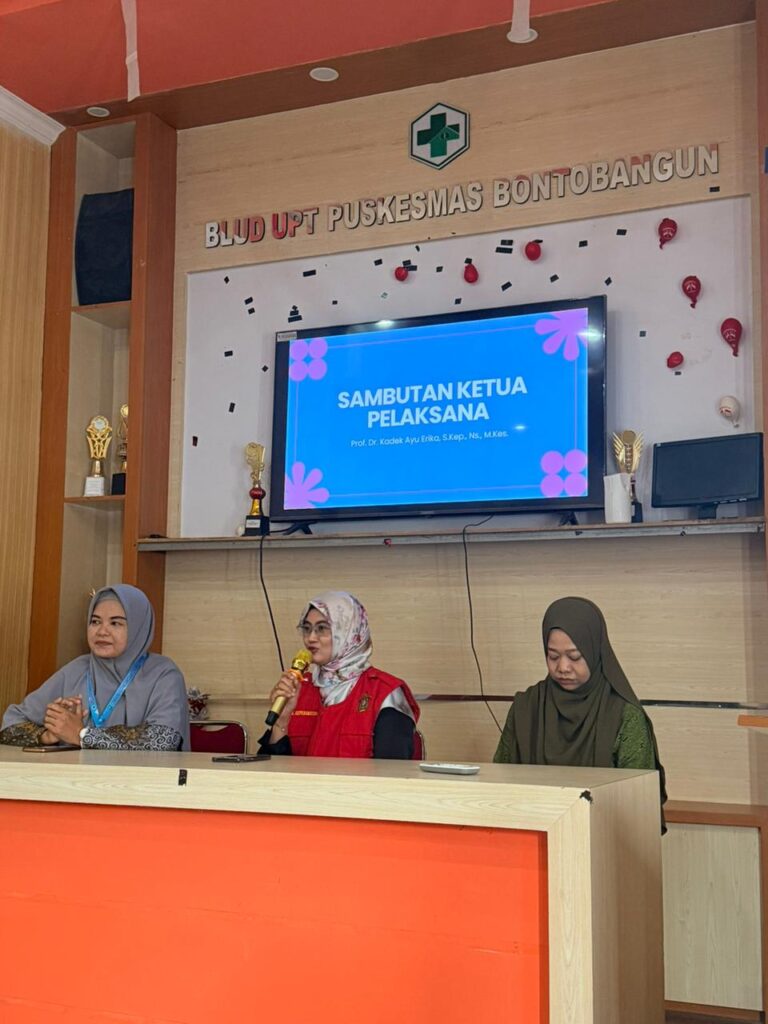
The community engagement initiative involved around 40 mothers with toddlers, healthcare workers, and local posyandu cadres. The community service activity began with a pre-test session for participants, followed opening remarks from the head of the community service team also to PEDNRG Leader by Prof. Dr. Kadek Ayu Erika, S.Kep., Ns., M.Kes., who emphasized the crucial role of mothers in fulfilling children’s nutritional needs. Remarks were also delivered by the representative of Puskesmas Bontobangun, Bd. Hj. Rahmawati, S.ST., who expressed appreciation for the program as a collaborative effort to reduce stunting rates within the community.
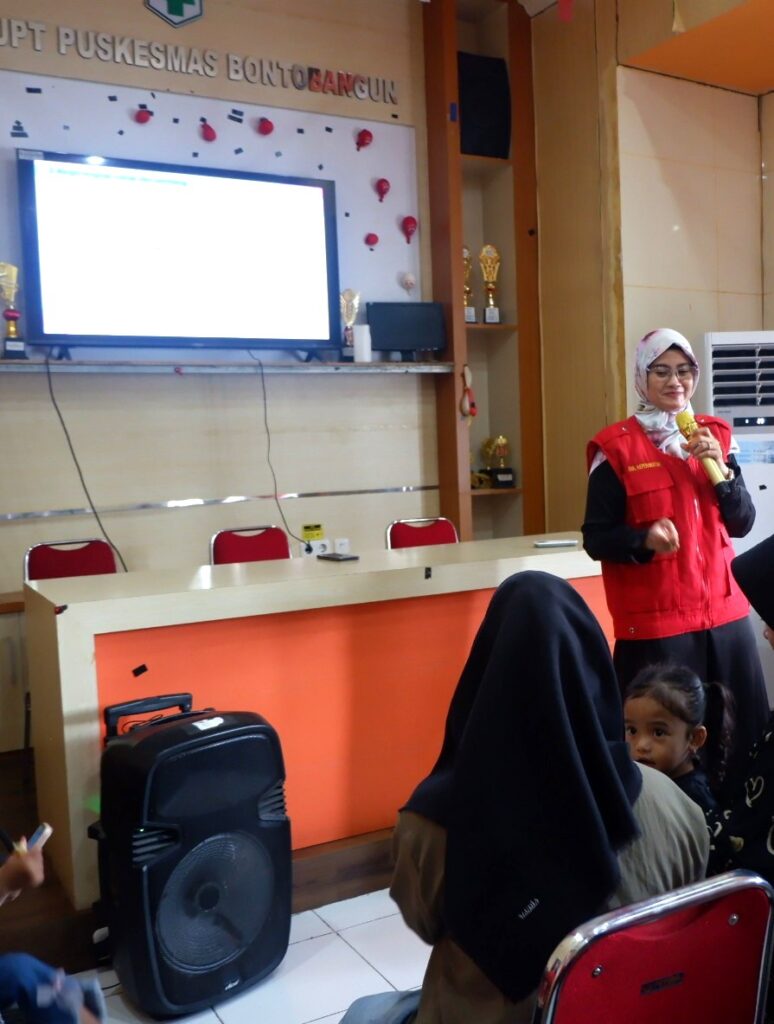
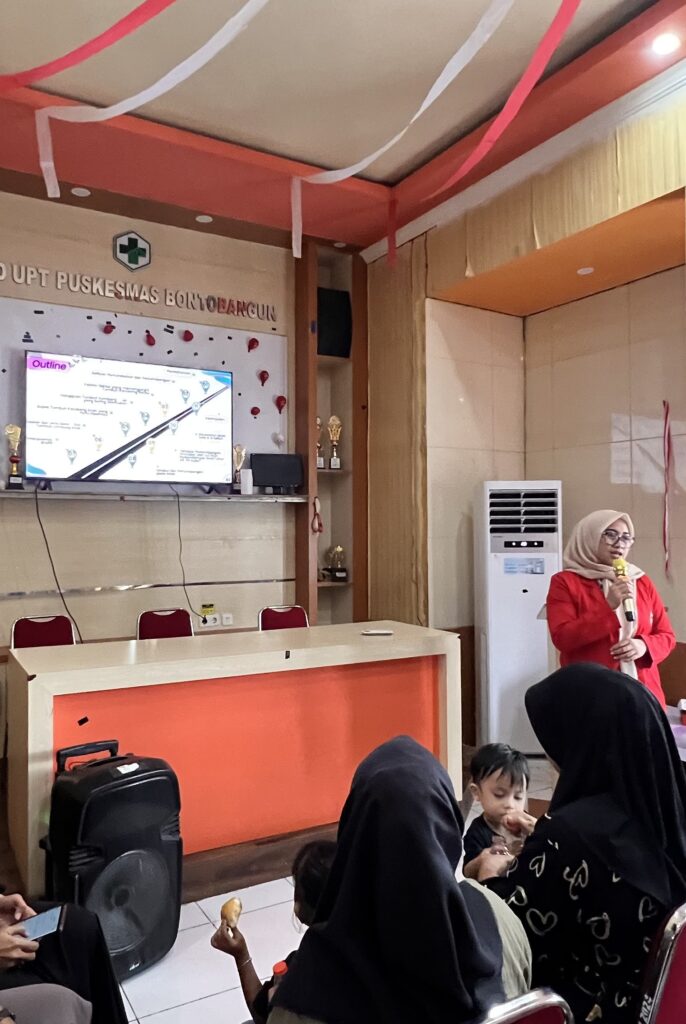
During the educational session, moderated by Aulia Insani Latif, S.Kep., Ns., M.Kes., participants received educational materials regarding the introduction of the SEHATI application for stunting prevention through balanced nutrition during the First 1,000 Days of Life (HPK), presented by Prof. Dr. Kadek Ayu Erika. In addition, materials on child stimulation and early detection of growth and developmental disorders were delivered by PEDNRG Lecture by Nur Fadilah, S.Kep., Ns., MN.
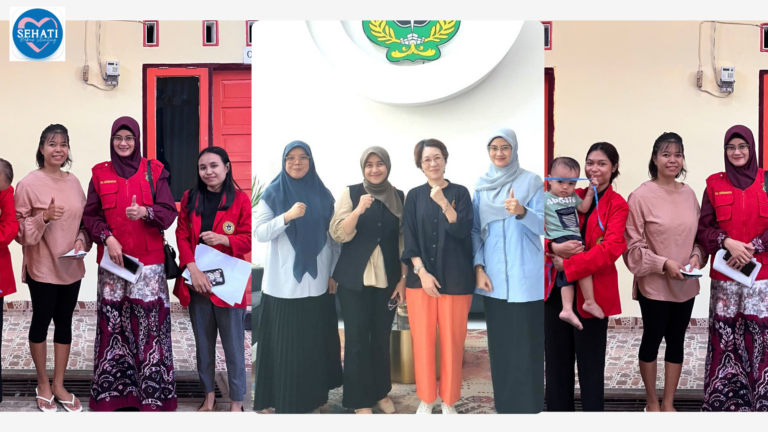
Furthermore, the program was complemented by hands-on mentoring sessions on the use of the SEHATI application, where mothers were directly guided on how to download, access, and utilize the application’s features for child growth monitoring and child health information.
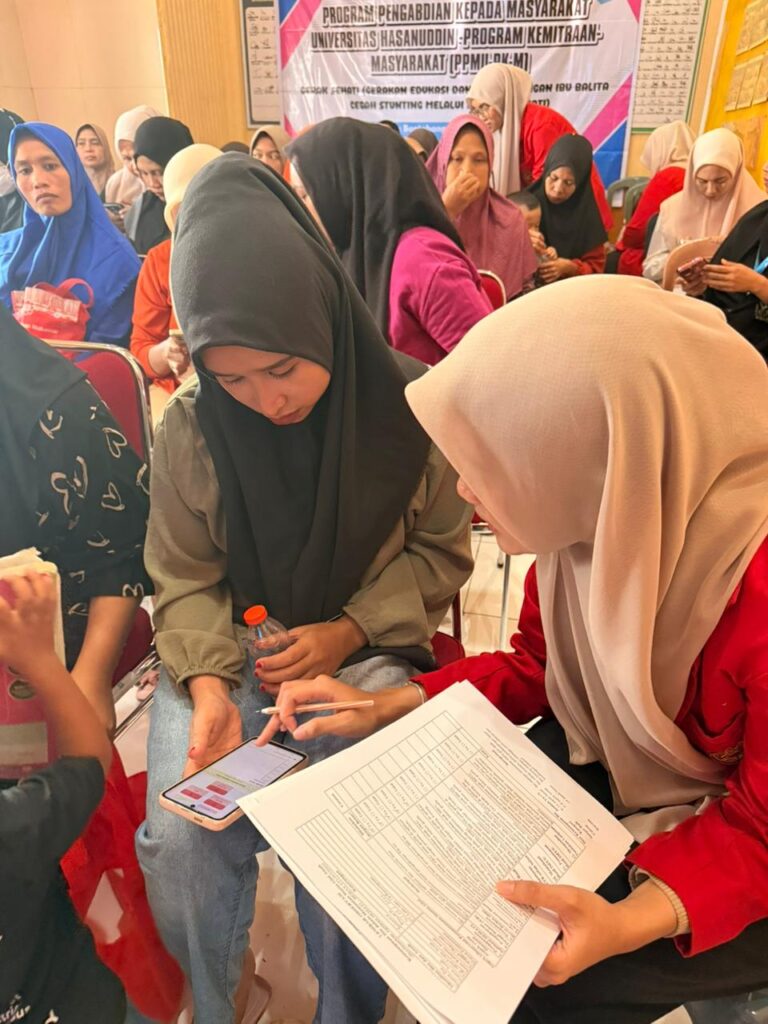
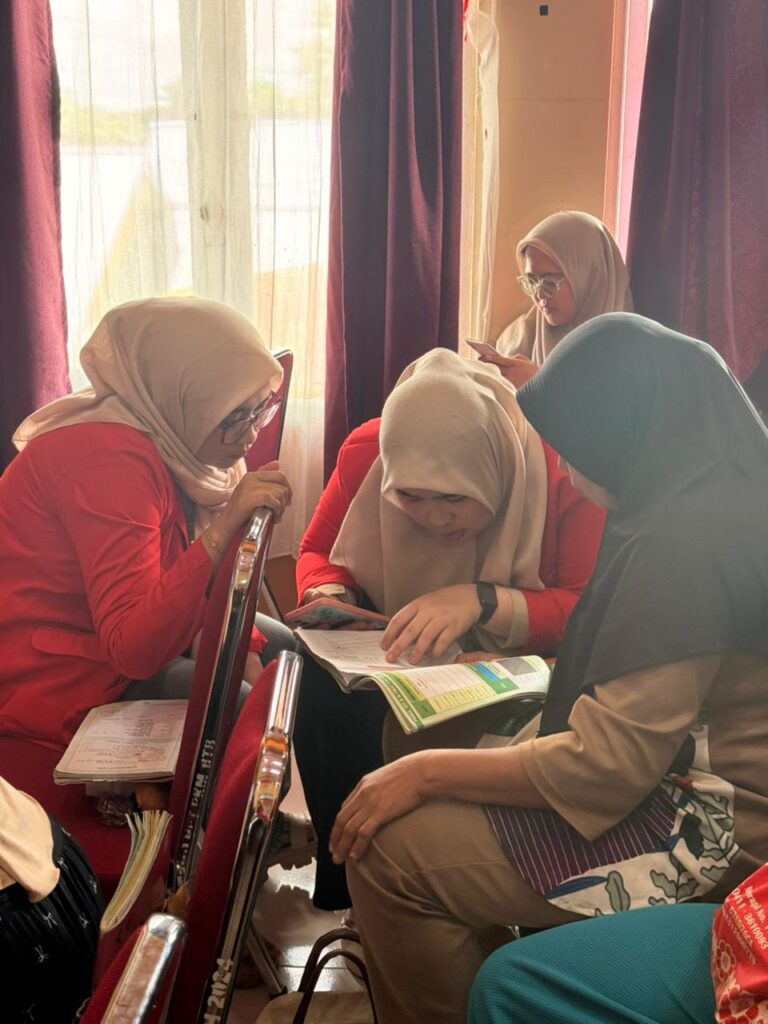
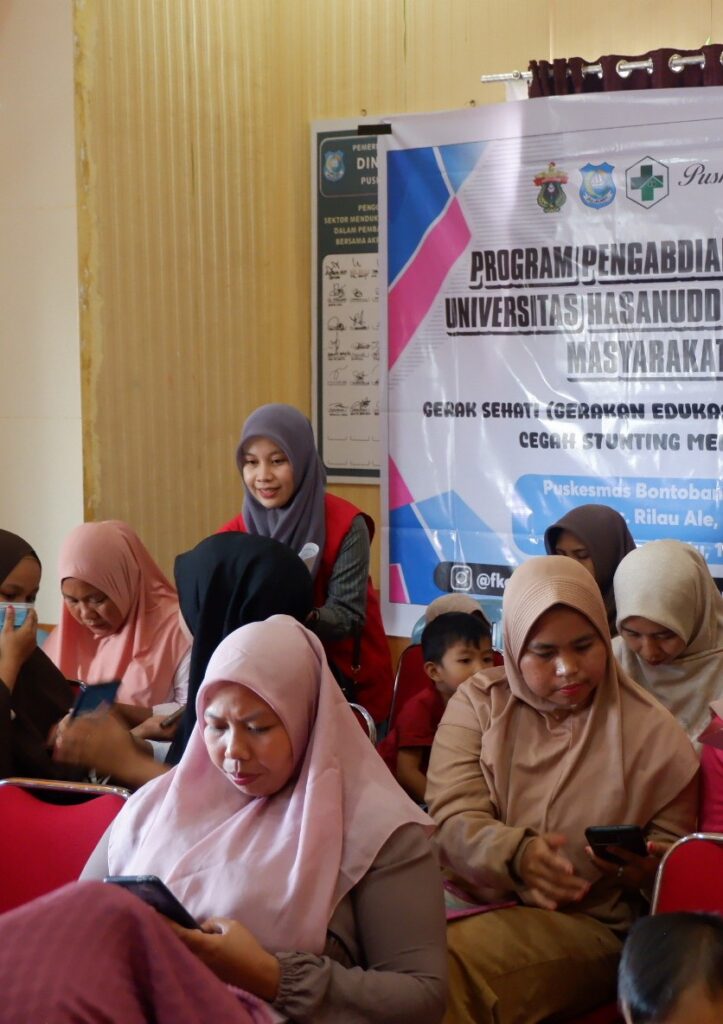
Participants showed great enthusiasm throughout the activity, particularly during the practical application sessions. Through this program, it is hoped that mothers will become increasingly capable of maintaining their children’s health and development by continuously utilizing health education and digital technology. The program concluded with a post-test session to evaluate participants’ understanding following the educational activities and mentoring sessions.
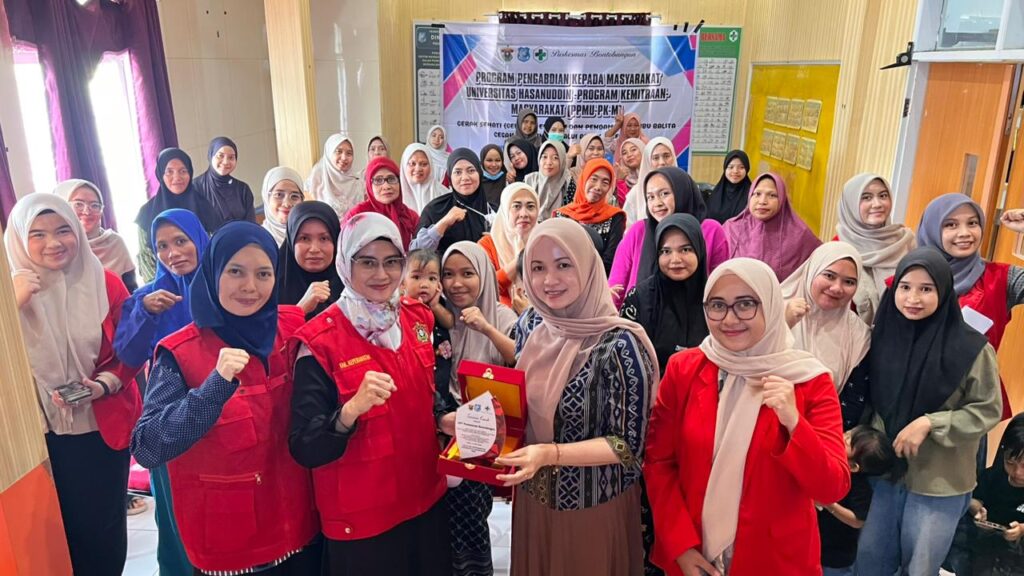
The program also directly to SDGs 2 (Zero Hunger), through efforts to improve child nutrition and prevent malnutrition; SDG 3s (Good Health and Well-Being), by promoting early detection and prevention of stunting and developmental disorders; SDGs 4 (Quality Education), through technology-driven health literacy and community education; and SDGs 17 (Partnerships for the Goals), through strong collaboration between university, healthcare institutions, and local communities in advancing sustainable child health interventions.
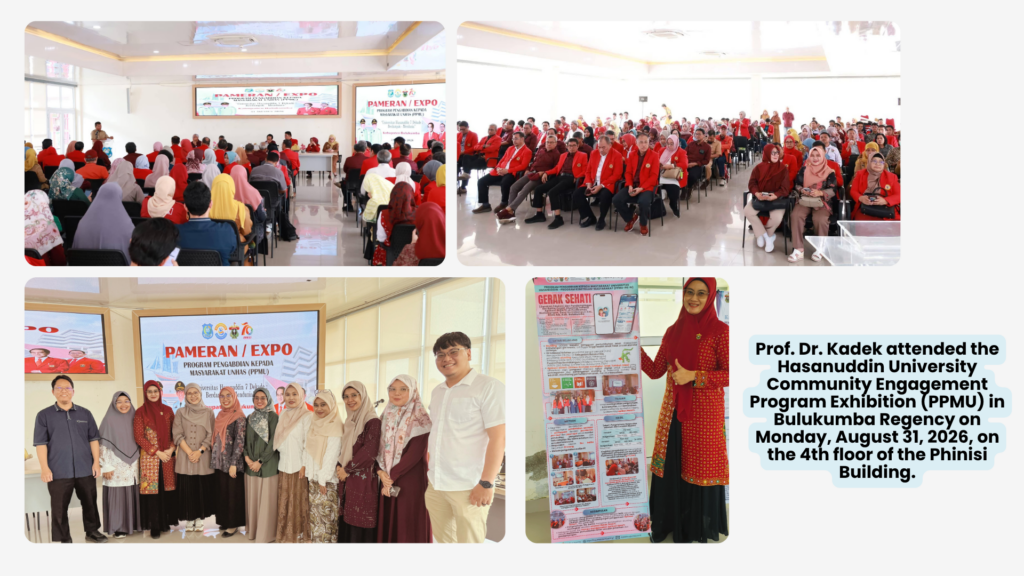
Special appreciation is extended to the Institute for Research and Community Service (LPPM), Hasanuddin University for its trust and grant support. Gratefully acknowledge the Faculty of Nursing, the Faculty of Medicine Hasanuddin University, UPT Puskesmas Bontobangun for their strong partnership in this program, and mothers with toddlers which made this community engagement to be successfully implemented.