

MAKASSAR, Indonesia 10 May 2026/PRG – When we think about threats to forests and agriculture, we often imagine pests, climate change, or deforestation. However, one lesser-known but equally important issue lies in how scientists name and classify plant pathogens. Surprisingly, even the naming system itself can influence how effectively we respond to global plant diseases.
A recent scientific publication titled “Preserve the Broad Generic Concept of Phytophthora”, published in the journal Phytopathology by the American Phytopathological Society (APS) on March 4, 2025, highlights this issue. The article argues for maintaining the current classification of Phytophthora, a well-known group of plant pathogens often referred to as “plant destroyers” .

Phytophthora is not just any microorganism. It includes species responsible for devastating plant diseases affecting crops, forests, and natural ecosystems worldwide. For example, members of this group have caused major agricultural losses and ecological damage for decades. Because of its importance, scientists have studied Phytophthora for over a century, building a shared understanding of how it behaves, spreads, and can be controlled.
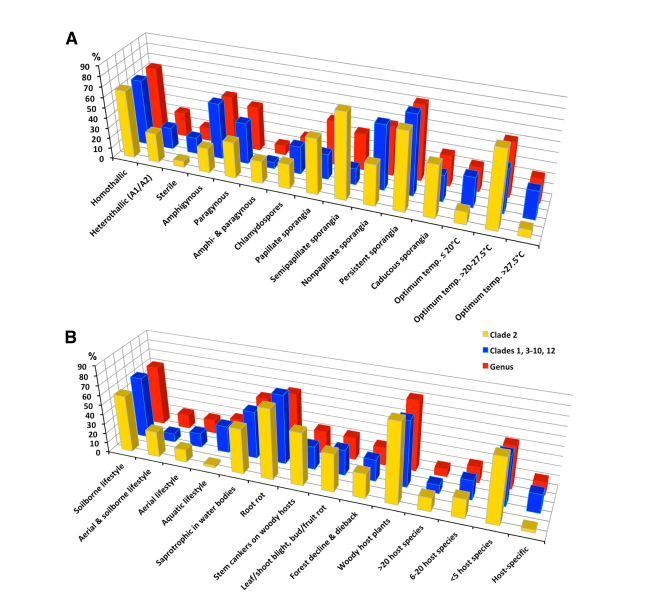
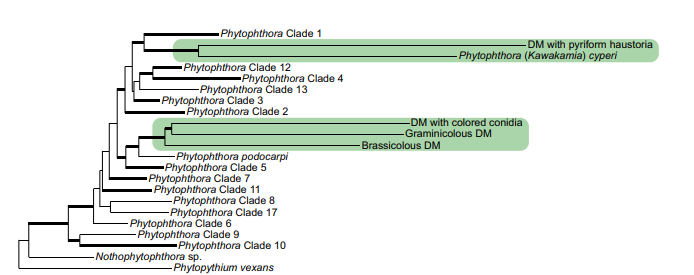
However, recent debates in the scientific community have proposed splitting Phytophthora into several new genera based on genetic differences. At first glance, this may seem like a purely academic issue. But the article strongly argues that such changes could create confusion rather than clarity. The researchers emphasize that despite genetic variations, Phytophthora remains biologically cohesive—meaning its species share key characteristics and behaviors that justify keeping them under one unified name
Why is this important? The answer connects directly to SDG 15: Life on Land, which focuses on protecting ecosystems, reducing biodiversity loss, and promoting sustainable use of terrestrial resources. Clear scientific communication is essential for achieving these goals. If scientists, policymakers, and farmers use different names for the same pathogens, it can slow down responses to plant disease outbreaks and weaken global biosecurity systems.
The article also highlights that Phytophthora species have evolved over millions of years and adapted to various environments around the world. Despite this diversity, there are no clear biological features that justify dividing them into separate genera. In fact, doing so could disrupt decades of research, databases, and disease management strategies that rely on consistent terminology.
Another key point raised is the global consensus among experts. During an international workshop involving scientists from over 45 countries, participants overwhelmingly agreed to preserve the current classification system. This decision reflects a broader understanding that stability in scientific naming is crucial for effective collaboration and knowledge sharing.
In a world where plant diseases can spread rapidly across borders due to global trade and climate change, clarity is more important than ever. Maintaining a unified concept of Phytophthora helps ensure that researchers, governments, and farmers are speaking the same language when addressing plant health threats.
In conclusion, this study reminds us that even something as seemingly simple as a scientific name plays a vital role in protecting our planet. By supporting clear communication and aligning with SDG 15: Life on Land, we can strengthen global efforts to safeguard forests, agriculture, and biodiversity for future generations.


