
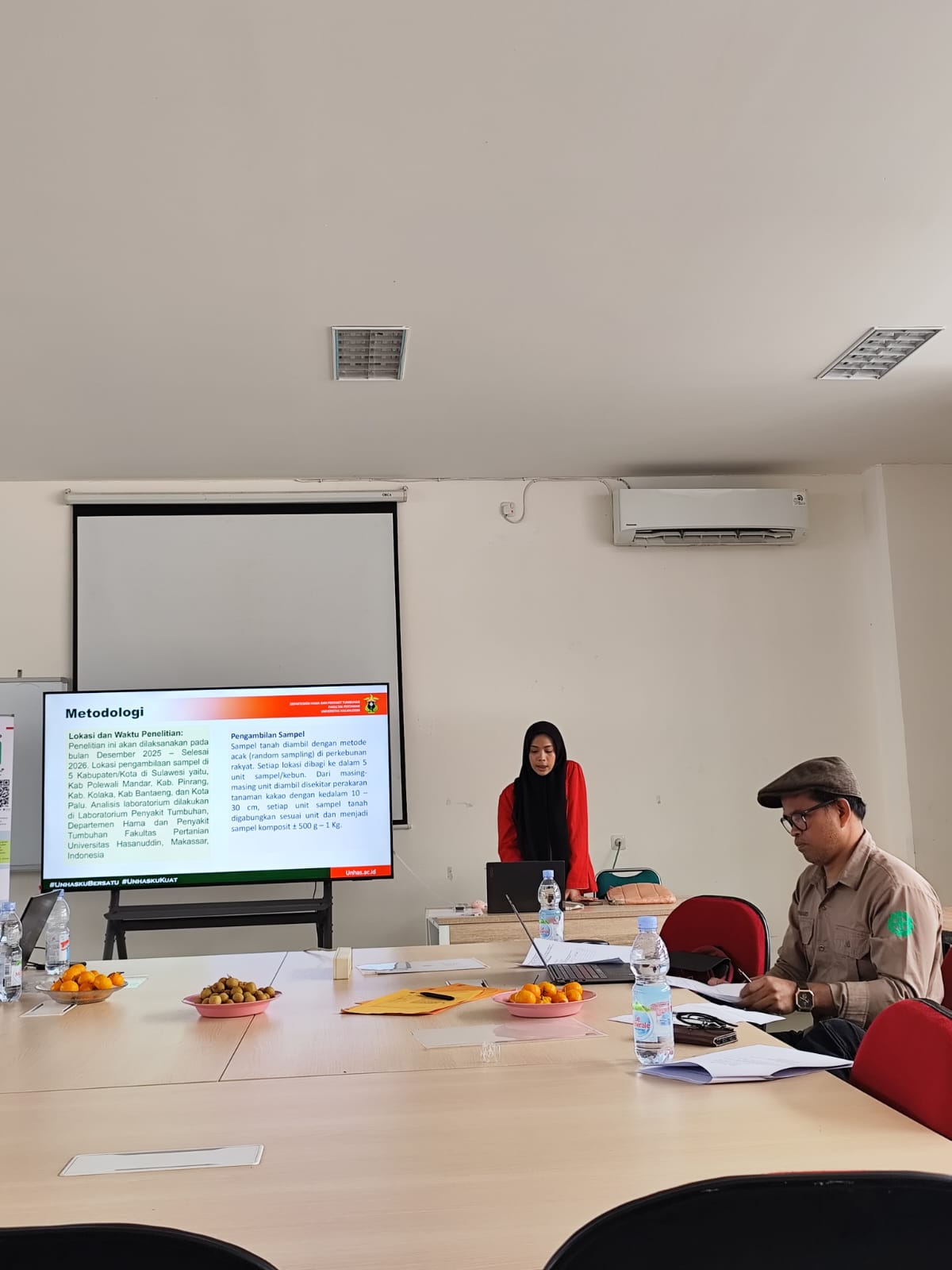

The Phytophthora Research Group (PRG) organized a scientific proposal presentation session at the Department of Plant Pests and Diseases, Hasanuddin University, providing a platform for academic exchange and critical discussion on plant pathology research. This activity highlighted a master’s student research proposal focusing on Phytophthora in cocoa, particularly examining morphometrics, virulence, and spatial spread in Sulawesi. The session aimed to connect fundamental scientific understanding with practical applications that can support disease management in the field.
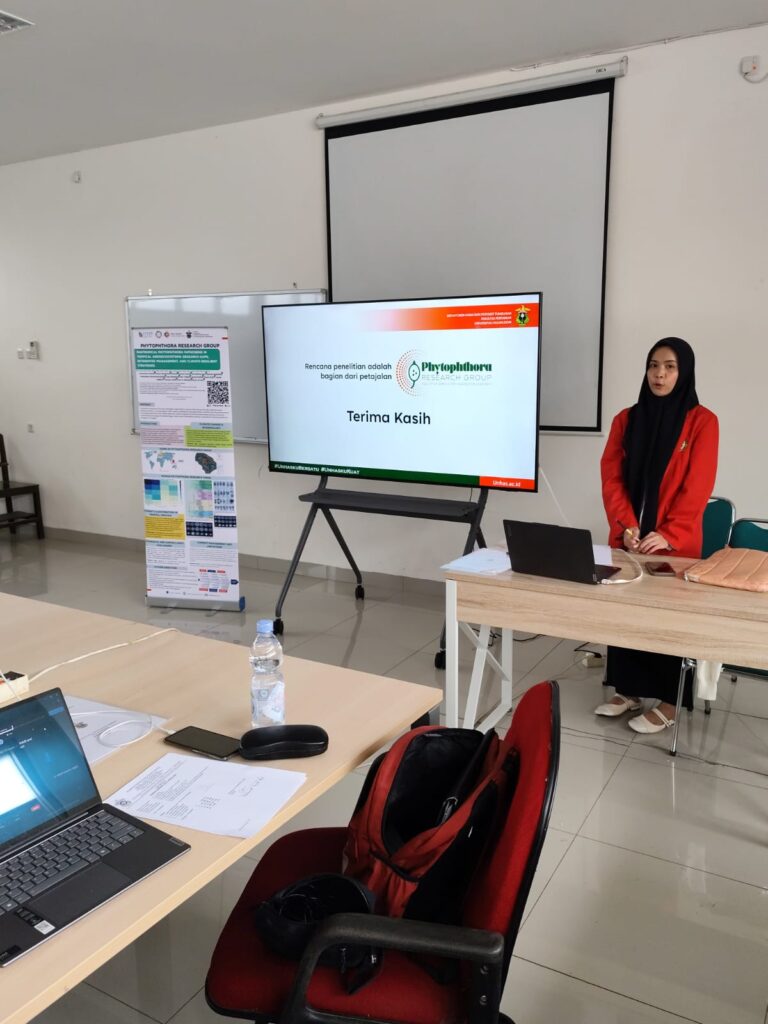
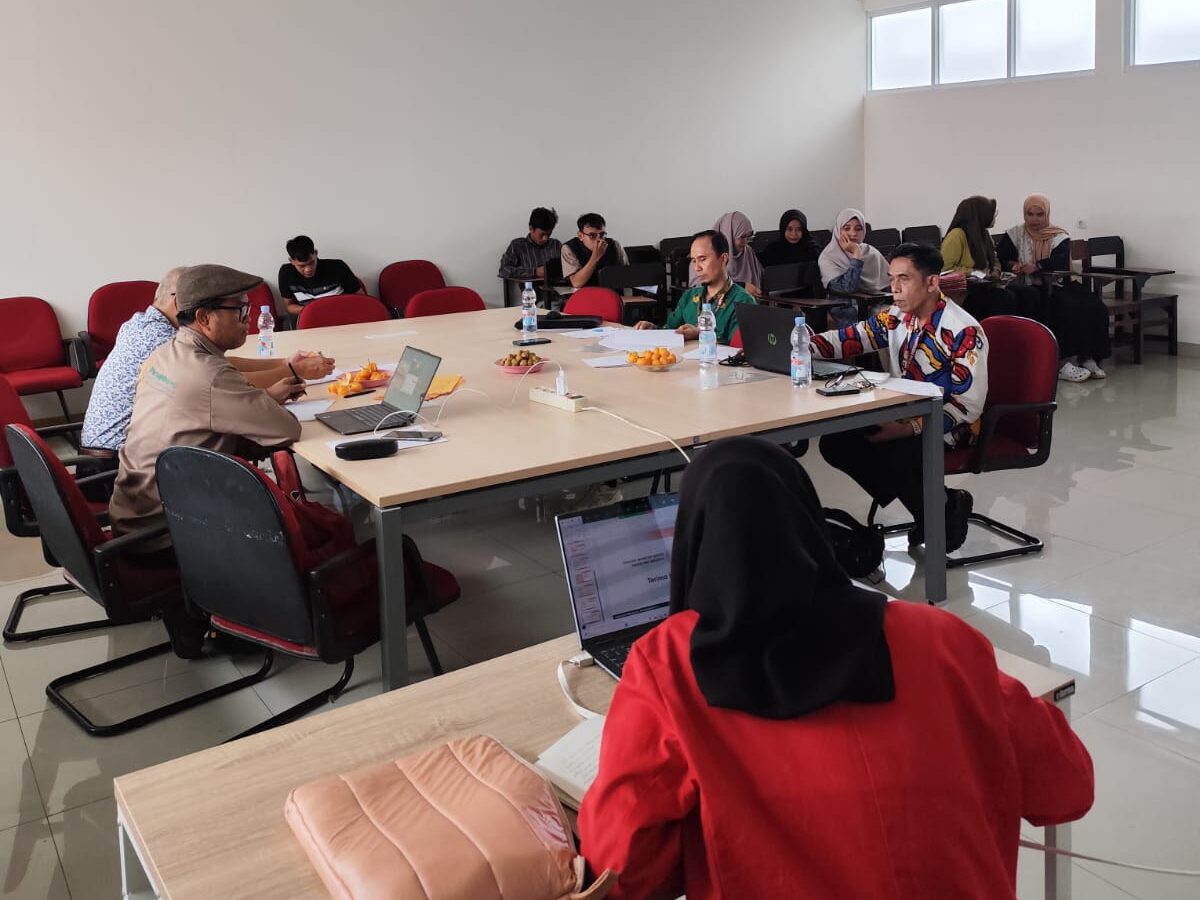
Held on 5 December 2025, the session was attended by 10 participants, including researchers, lecturers, and graduate students. The intimate and focused setting encouraged active discussion, allowing participants to engage deeply with the research concepts presented. The proposal outlined how variations in pathogen form and behavior can significantly influence disease severity and crop losses, especially in tropical agricultural systems where environmental conditions favor pathogen development.
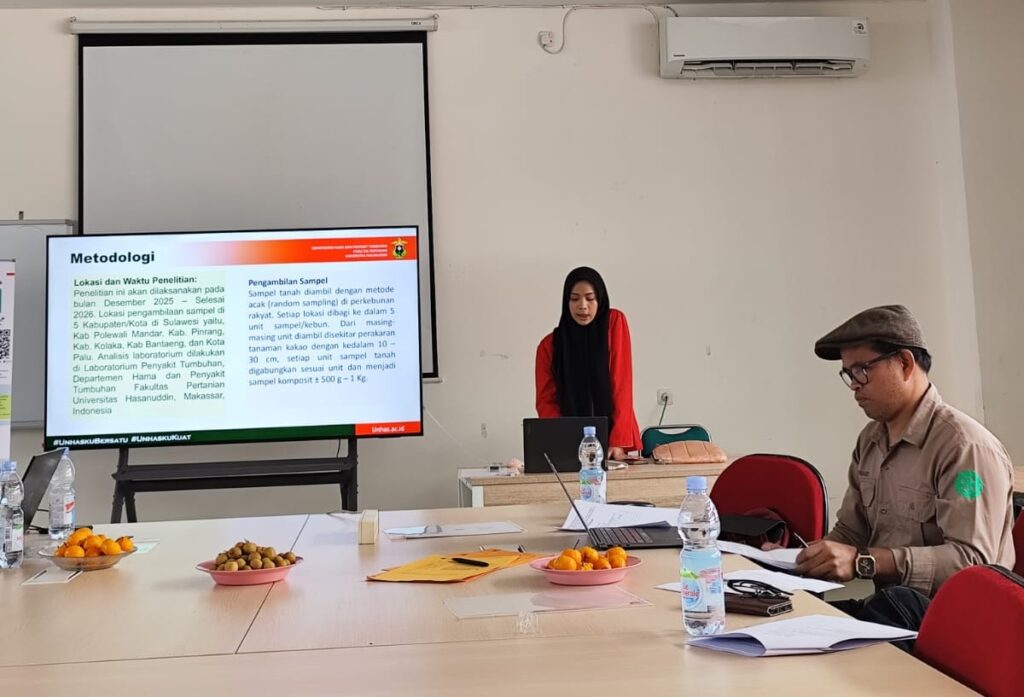
A key aspect of the discussion was the integration of morphometric analysis and virulence assessment to better understand the diversity and aggressiveness of Phytophthora strains affecting cocoa. By examining these biological characteristics, the research aims to identify patterns that can explain differences in disease outbreaks across regions. Furthermore, the proposal emphasized the importance of spatial analysis, demonstrating how geographic and environmental data can be used to map disease spread and support more targeted and efficient management strategies.
Participants actively contributed feedback on research design, methodology, and potential field applications. Discussions explored how spatial information could be translated into actionable insights for farmers, extension workers, and policymakers. The integration of scientific data with spatial tools was recognized as a promising approach to improving early warning systems and reducing the impact of plant diseases on cocoa production.
This activity aligns with several key Sustainable Development Goals (SDGs). It contributes directly to SDG 1: No Poverty, as cocoa is an important livelihood source for many smallholder farmers in Sulawesi. By improving understanding of disease dynamics and supporting more effective management strategies, the research has the potential to reduce yield losses and enhance farmers’ income stability.
In addition, the activity supports SDG 4: Quality Education by fostering academic development, critical thinking, and research skills among graduate students. The proposal presentation format encourages knowledge exchange and mentorship, which are essential components of higher education and scientific advancement.
The collaborative nature of the session also reflects SDG 17: Partnerships for the Goals, as it brings together students, researchers, and academic staff to collectively address agricultural challenges. Such interactions strengthen institutional collaboration and create opportunities for future research partnerships that can expand the impact of scientific findings.
Overall, this proposal presentation represents an important step in advancing research on Phytophthora in cocoa. By linking pathogen biology with spatial analysis and practical field applications, the activity contributes to the development of more resilient and sustainable agricultural systems in Sulawesi and beyond.


