

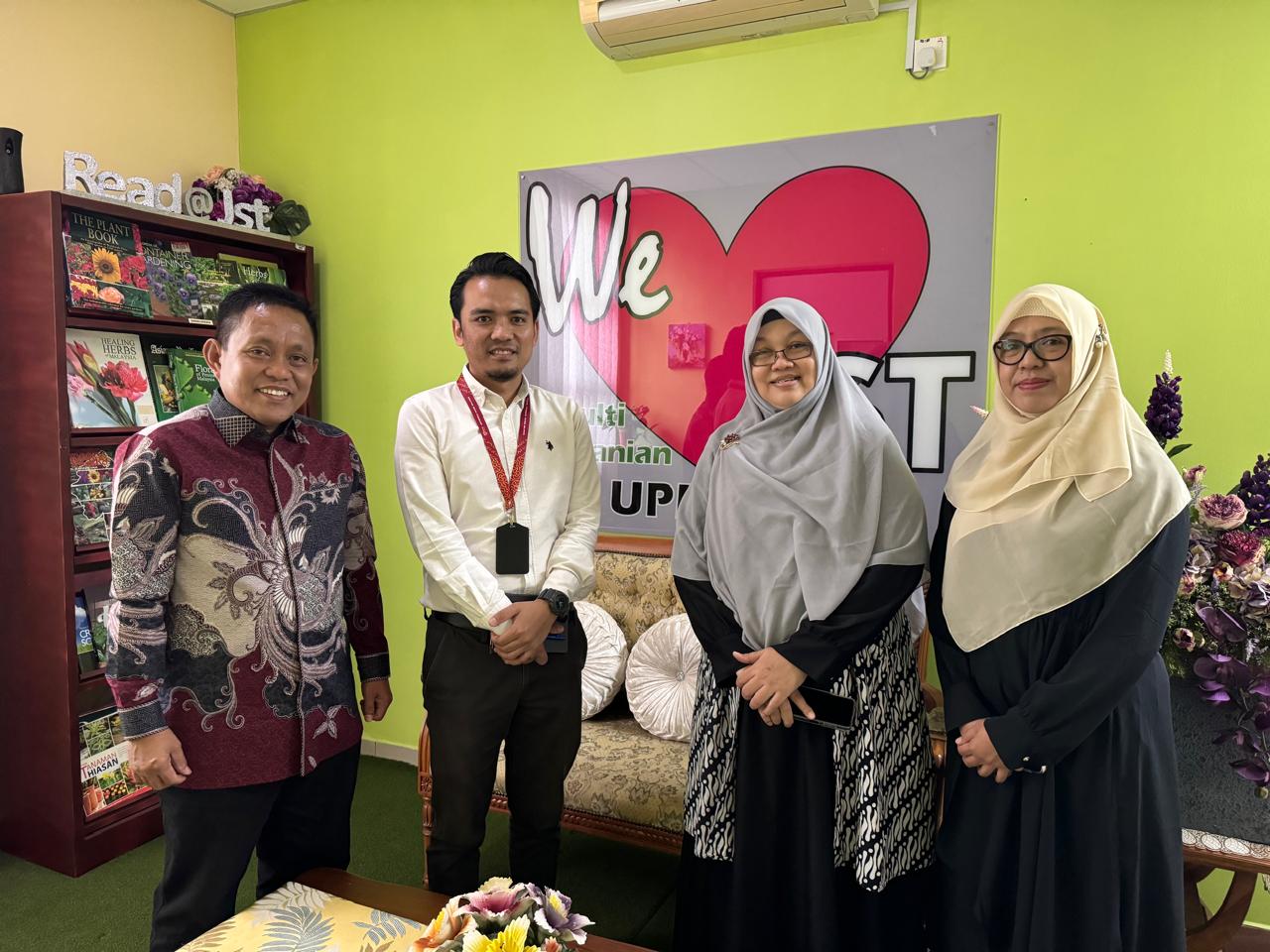

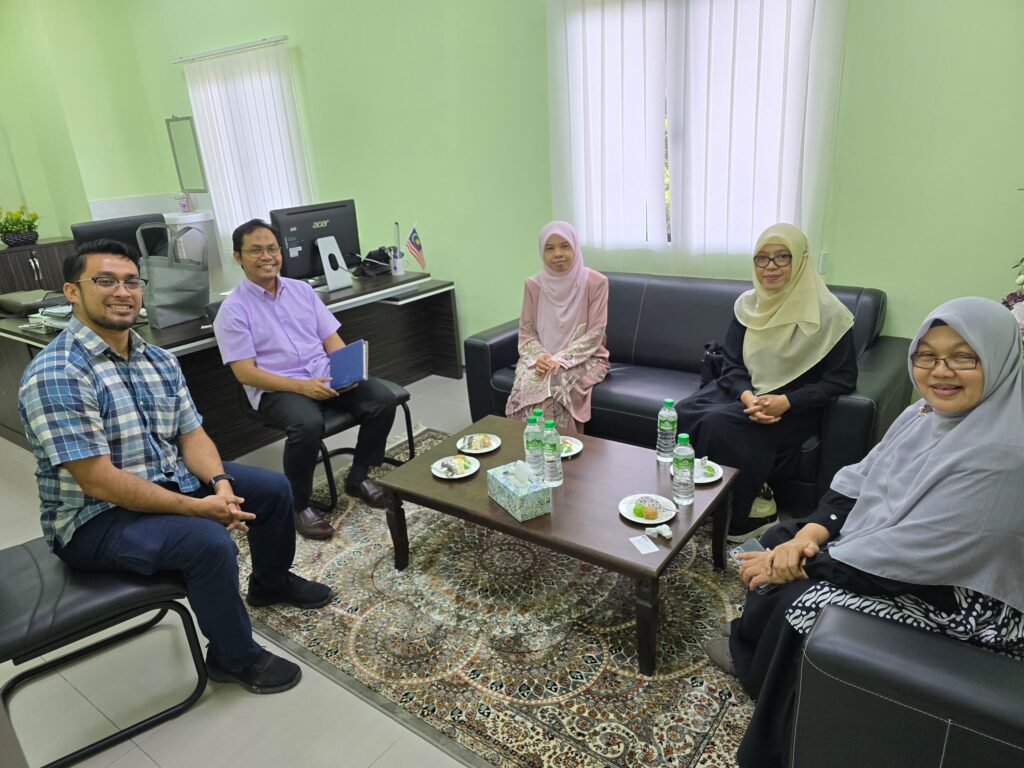
Selangor, October 28, 2024 – In an effort to strengthen academic and research collaboration internationally, a team from the Agrotechnology Study Program, Faculty of Agriculture, Hasanuddin University (Unhas), visited Universiti Putra Malaysia (UPM) on October 28, 2024. This visit is part of a benchmarking activity to universities ranked in the QS Top 200, with the primary objective of initiating collaboration within the Thematic Research Group (TRG).
The Head of the Agrotechnology Study Program at Unhas, Dr. Abd. Haris Bahrun, along with a team of lecturers, met with various parties at UPM’s Faculty of Agriculture, including the Department of Crop Science, the Department of Land Management, and the Institute of Plantation Studies (IKP). During these meetings, discussions covered various opportunities for research collaboration, joint publications, and mobility programs for students and faculty members.
One of the key outcomes of this visit was the agreement to collaborate on the TRG Oil Palm Research between Unhas and UPM. Dr. Mohd. Hadi Akbar Basri from UPM’s Department of Crop Science expressed readiness to collaborate on research related to oil palm agronomy. Additionally, Assoc. Prof. Dr. Susilawati Kasim and Dr. Syaharudin Zaibon from UPM’s Department of Land Management also committed to working together on research involving biostimulants and soil conservation.
On this occasion, the Unhas team also met with Prof. Ts. Dr. Siti Khairunniza Bejo from the Institute of Plantation Studies at UPM. During the discussion, three academic staff members from IKP expressed their willingness to become collaborators in Unhas’ TRG Oil Palm Research. This opens significant opportunities for both institutions to develop joint research in the field of sustainable agriculture and plantation management.
This benchmarking activity is expected to enhance Unhas’ international reputation and expand its global academic network. Through this collaboration, the Agrotechnology Study Program at Unhas is optimistic about improving research and education quality while making a tangible contribution to the development of sustainable agriculture.

