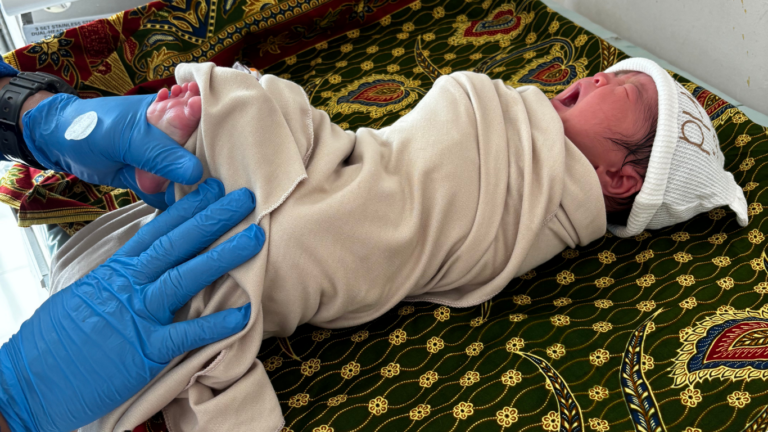

MAKASSAR, Indonesia, 24 July 2026/NNRG – Keeping children safe from sexual abuse is not only the responsibility of schools, communities, or authorities. Protection also begins at home, through everyday conversations between parents and children. A recent study conducted in Makassar, Indonesia, provides an important message: many parents already support child sexual abuse prevention, but some still need stronger knowledge and practical skills to help their children stay safe.
A recent study by Hariati, S., Almaidah, Sabriyati, W. O. N. I., and Ramadhana, F. A., entitled “Parents’ knowledge, attitudes, and practices regarding child sexual abuse prevention among parents of primary school children,” was published in the Pediomaternal Nursing Journal, a journal published by the Faculty of Nursing, Universitas Airlangga. The article was published on 24 July 2026 and involved 404 parents of primary school children from five public elementary schools in Makassar.
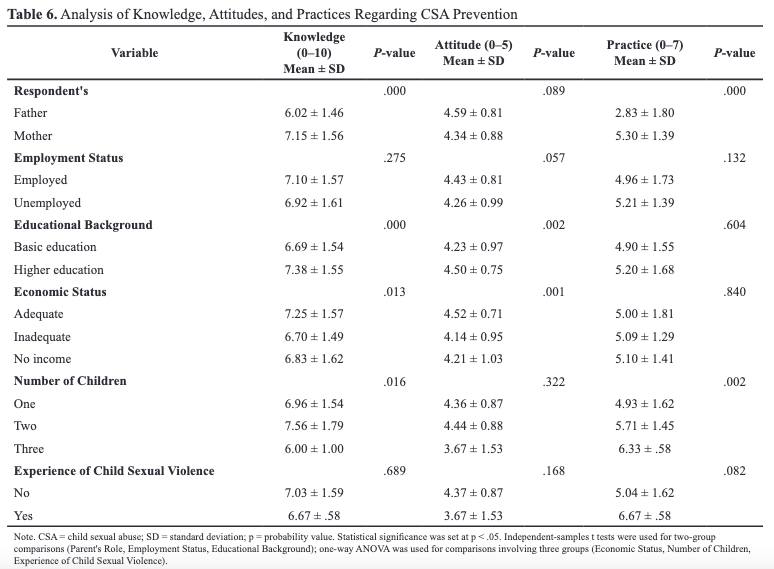
The findings offer both encouraging and concerning insights. Parents demonstrated relatively good basic knowledge, with an average knowledge score of 7.03 out of 10. Their attitudes toward prevention were also positive, with an average score of 4.36 out of 5. However, their prevention practices averaged 5.05 out of 7, suggesting that knowing about prevention does not always translate into consistent action at home.
One of the most important lessons concerns who may pose a risk to children. While more than 95% of parents understood that perpetrators are responsible for sexual violence and may repeat their actions, only 25.5% correctly recognized who is most likely to commit sexual violence against children. More than half also did not know that a child who experiences sexual violence may show no obvious physical evidence.
There is also a clear gap between general safety advice and specific prevention conversations. Most parents had talked to their children about protecting private body parts and saying “No” when someone attempts inappropriate touching. However, only 45.8% reported telling their children to report sexual violence to a parent or another trusted adult, while only 32.9% had provided books, videos, or recordings about prevention.
The message is therefore simple: child protection should not wait until a problem occurs. Parents can begin with age-appropriate conversations about body ownership, personal boundaries, safe and unsafe situations, and trusted adults who can help. These conversations do not need to be frightening or complicated. They can become part of ordinary family communication.
This issue directly supports Sustainable Development Goal (SDG) 3: Good Health and Well-Being, because protecting children from violence is essential to their physical and psychological well-being. It also supports SDG 4: Quality Education, as children and parents need accessible, accurate, and age-appropriate knowledge to develop protective skills. Finally, SDG 17: Partnerships for the Goals highlights the importance of cooperation among families, schools, healthcare professionals, communities, and policymakers.
The study ultimately reminds us that prevention is strongest when knowledge becomes everyday practice. Empowering parents with the right information can help transform the home into the first and most consistent environment for child protection.
Reference:
DOI: https://doi.org/10.20473/pmnj.v12i2.74662
Contact:
Suni Hariati
+6281387192990
sunihariati@unhas.ac.id