

MAKASSAR, Indonesia, 30 Januari 2026/NNRG – Living with diabetes is about much more than checking blood sugar or taking medication every day. For millions of people, managing diabetes means building a long-term relationship with healthcare services. The way patients are welcomed, informed, supported, and involved in their treatment can shape how they experience care. This raises an important question: what does good-quality diabetes care actually look like from the patient’s point of view?
This question was explored in the article “Patient Experience of Quality on Diabetes Mellitus Care in Primary Health Care: Integrative Literature Review”, authored by La Ode Nuh Salam, Suni Hariati, Saldy Yusuf, and Sitti Nurhadijah. The article was published in Journal La Medihealtico, Volume 6, Issue 6, pages 1803–1818, by Newinera Publisher, with a publication date of 30 January 2026. The study used an integrative literature review to bring together evidence about how adults with diabetes experience the quality of care provided in primary healthcare settings.
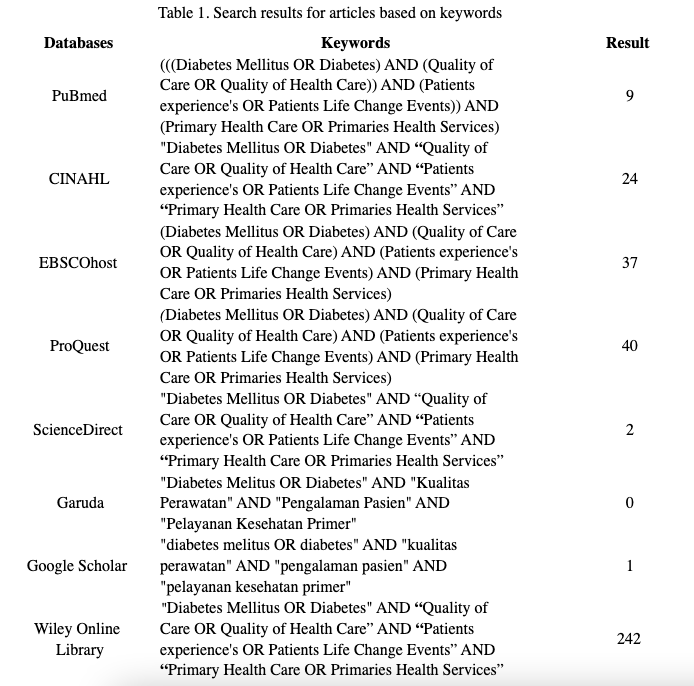
The researchers searched multiple scientific databases and other academic sources for relevant studies published between 2017 and 2022. Seven studies met the review criteria. Their findings revealed an important concern: five of the seven studies reported patient experiences indicating low-quality diabetes care, while only two described experiences of high-quality care.
So, what makes the difference?
Patients’ negative experiences were associated with inadequate healthcare structures, weaknesses in the care process, and unsatisfactory clinical outcomes. In contrast, positive experiences were linked to practical but important aspects of healthcare: adequate medical equipment, well-organized appointment schedules, coordinated care, and good interactions between doctors and patients. These findings show that quality healthcare is not determined by medical treatment alone. How care is organized and how healthcare professionals communicate with patients also matter.
For people with diabetes, this is especially important because diabetes requires lifelong self-management. Patients repeatedly interact with healthcare professionals, monitor their condition, follow treatment recommendations, and make daily decisions about their health. Primary healthcare therefore has an opportunity to become more than a place for routine check-ups. It can provide continuous, coordinated, and patient-centered support.
The findings strongly connect with Sustainable Development Goal (SDG) 3: Good Health and Well-Being, particularly its commitment to promoting health and access to quality healthcare. Improving the experience of people with diabetes at the primary-care level can help make healthcare more responsive to patients’ needs while strengthening long-term chronic disease management.
The central message is clear: numbers such as blood glucose levels are important, but they do not tell the whole story. Quality diabetes care also means listening to patients, communicating clearly, coordinating services, and ensuring that people feel supported throughout their healthcare journey. When healthcare systems listen to patient experiences, better diabetes care can begin with something remarkably simple—seeing the person behind the disease.
Reference:
DOI: https://doi.org/10.37899/journallamedihealtico.v6i6.2631
Contact:
Suni Hariati
+6281387192990
sunihariati@unhas.ac.id