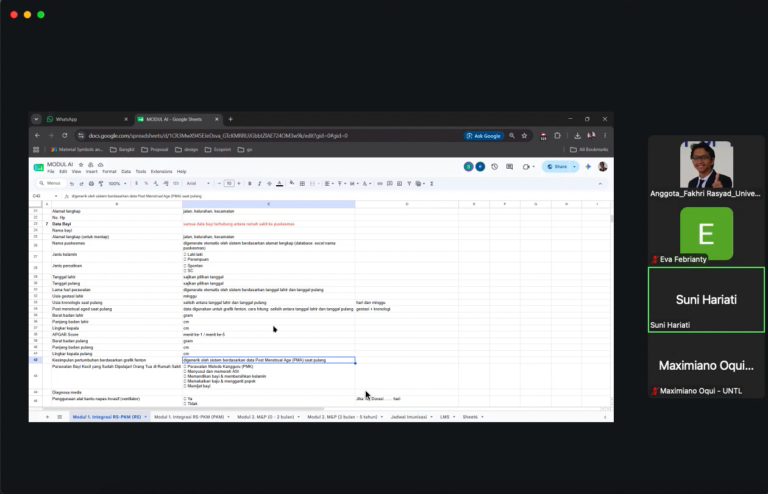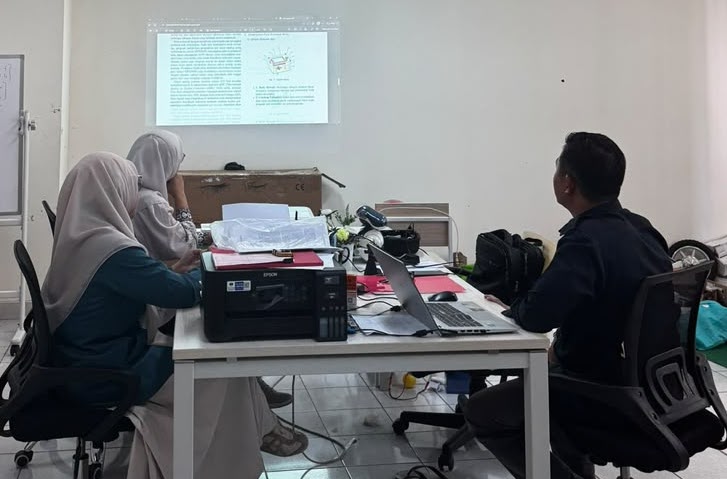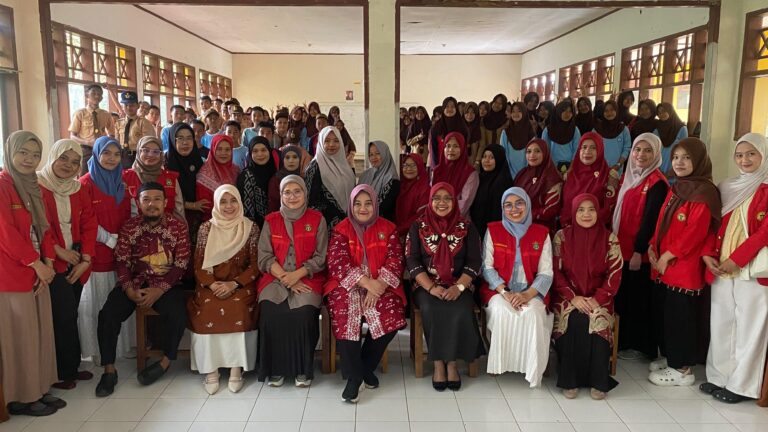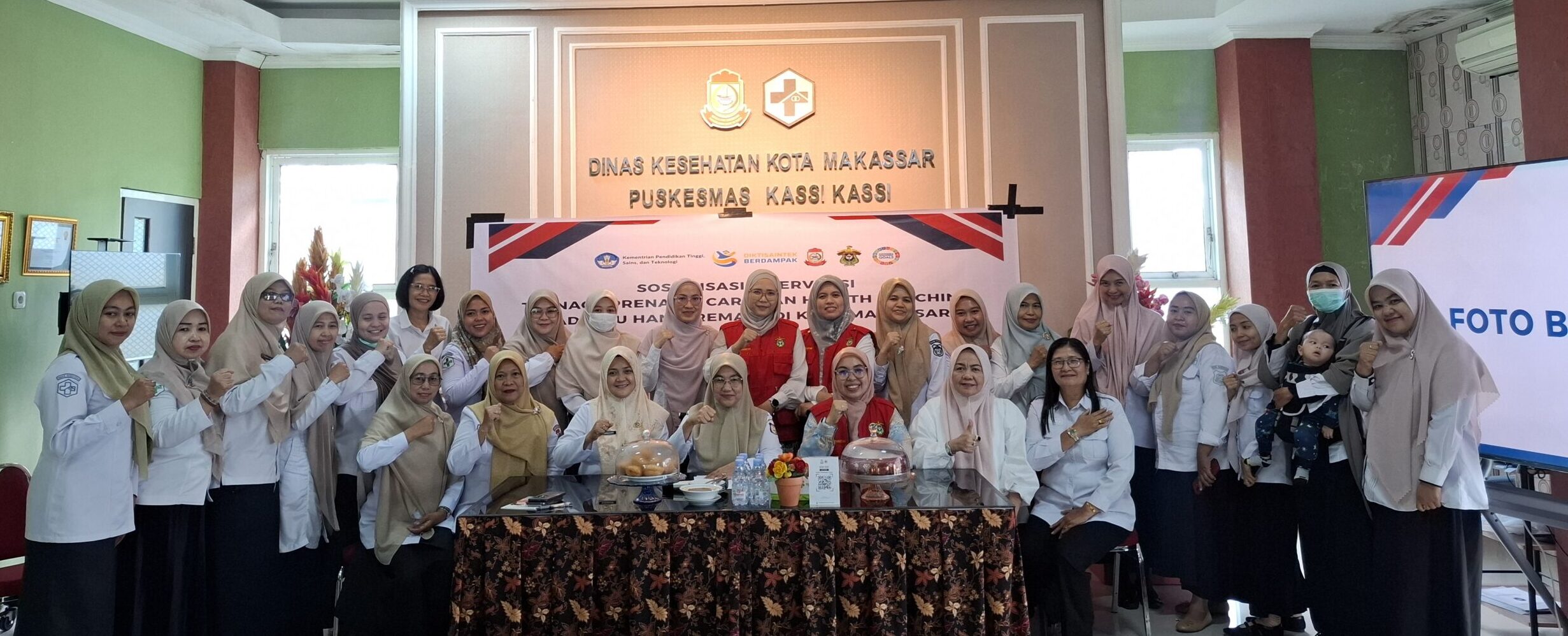

Adolescent pregnancy requires healthcare that responds not only to physical changes during pregnancy but also to the psychological, social, and family challenges experienced by young mothers. To strengthen health services for this vulnerable population, a socialization activity entitled “Socialization of Teenage Prenatal Care and Health Coaching Interventions for Pregnant Adolescents in Makassar City” was conducted at Kassi-Kassi Community Health Center (Puskesmas Kassi-Kassi), Makassar City, on 10 June 2026. The activity involved 50 participants and was attended by maternal and child health (MCH/KIA) program coordinators from community health centers, the Head of Puskesmas, and the Head of the Makassar City Health Office.
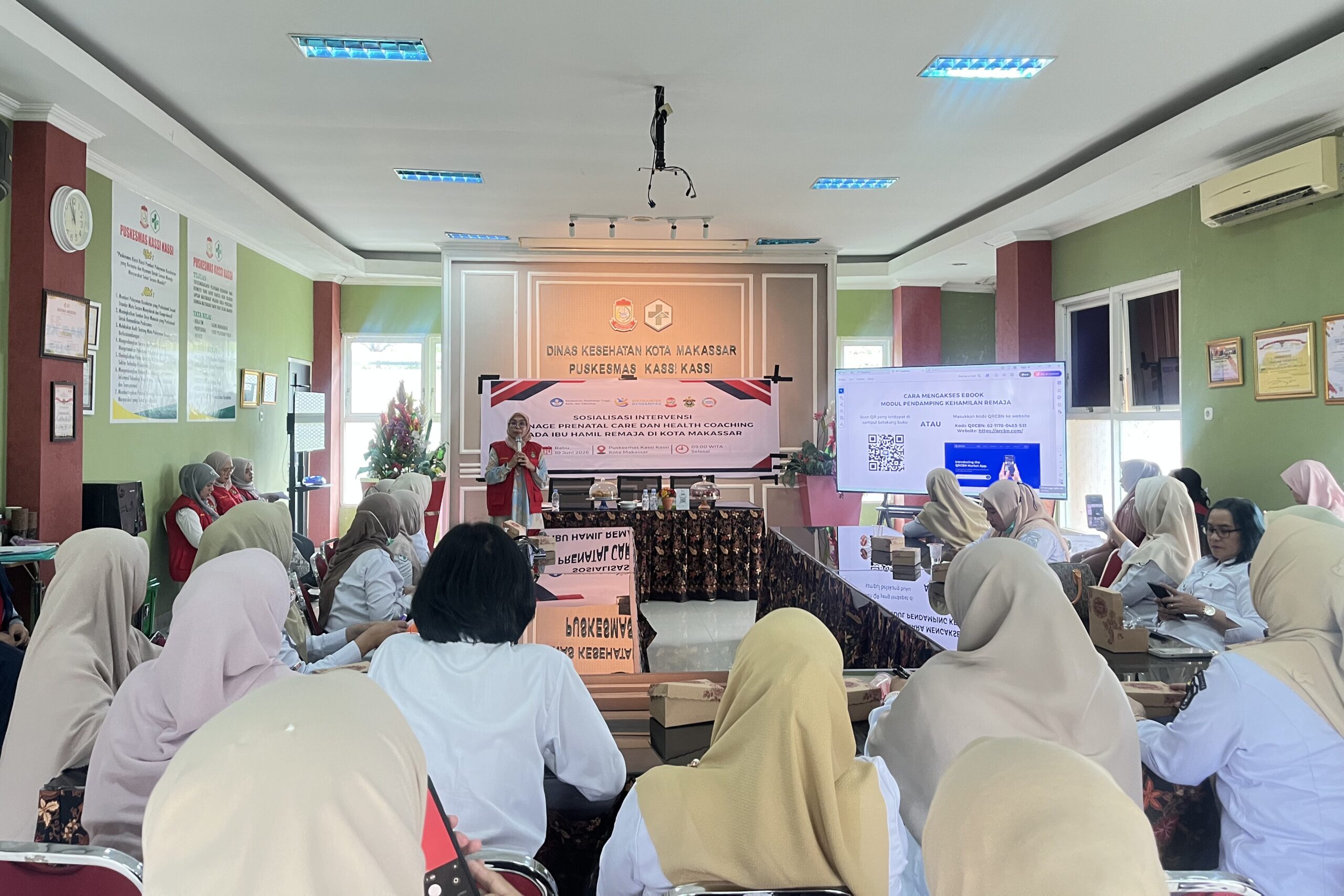
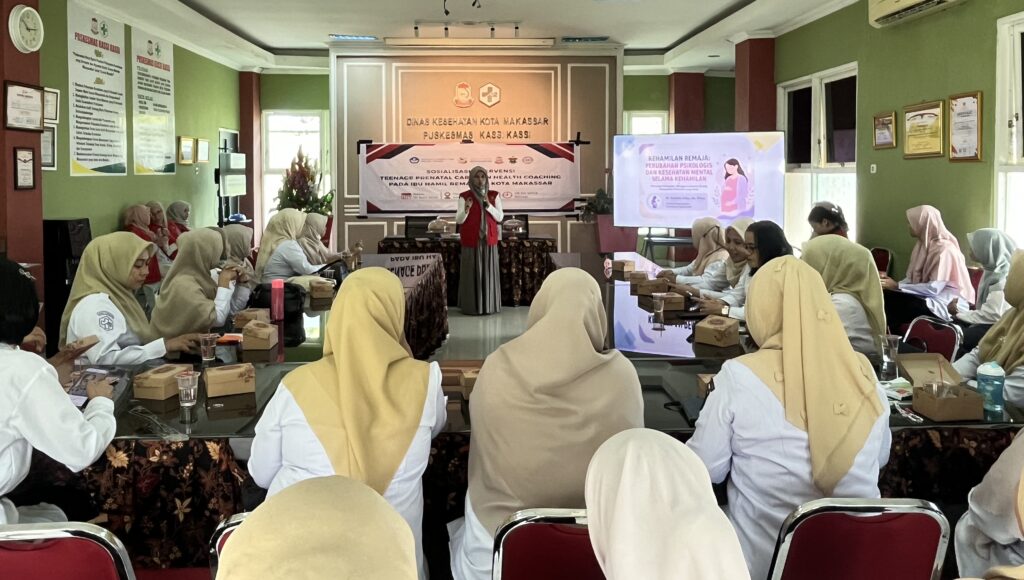
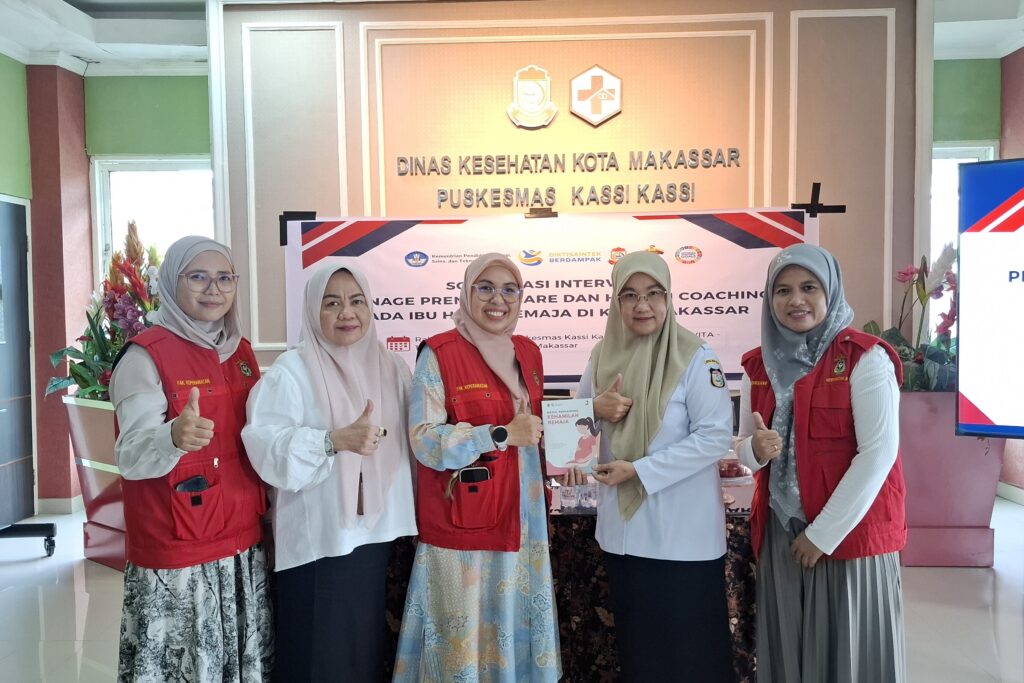
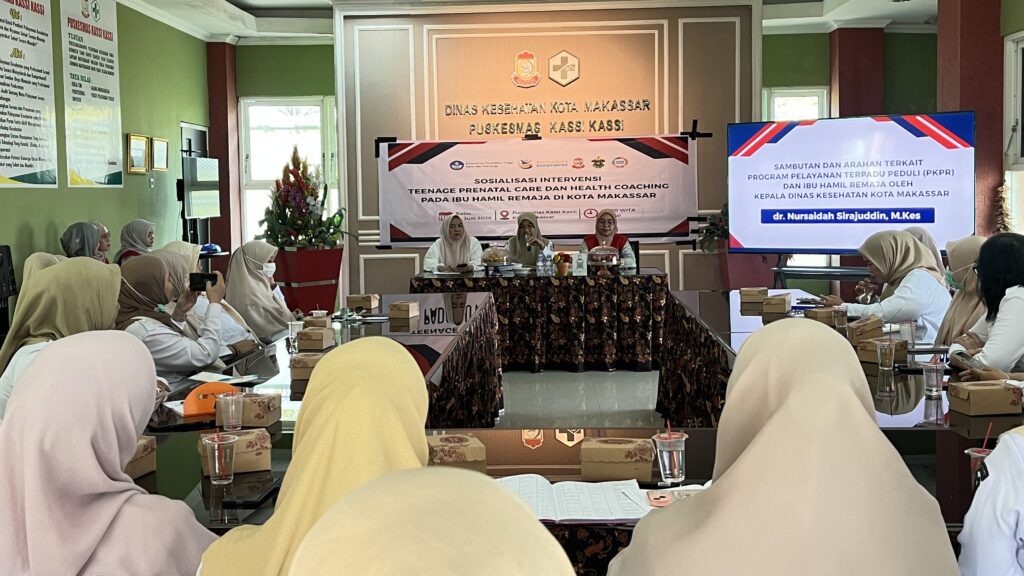
The activity introduced Teenage Prenatal Care (TeenCare) as a holistic intervention developed to address the specific needs of pregnant adolescents. Adolescent pregnancy is associated with complex health challenges because young women experience pregnancy while still undergoing physical, emotional, and social development. The TeenCare approach therefore emphasizes comprehensive prenatal care that considers maternal physical and psychological well-being, fetal development, family involvement, and continuous support from healthcare professionals.
A key component introduced during the activity was the integration of Health Coaching into prenatal care for pregnant adolescents. Rather than relying solely on conventional one-way health education, Health Coaching encourages active communication between healthcare professionals and pregnant adolescents. Through supportive conversations, adolescents can express their concerns, identify their individual needs, strengthen their understanding of pregnancy, and become more actively involved in making informed decisions about their health and pregnancy.
The socialization also highlighted the importance of family-centered care. Families can play an essential role in supporting pregnant adolescents, particularly in accessing antenatal care, coping with emotional challenges, preparing for childbirth, and making appropriate health decisions. The research framework underlying TeenCare recognizes that adolescent mothers may experience limited health literacy, social stigma, restricted access to healthcare, and inadequate family support. Therefore, strengthening collaboration among adolescents, families, and healthcare professionals is central to creating more responsive prenatal services.
This initiative contributes to several Sustainable Development Goals (SDGs). It supports SDG 1: No Poverty by promoting early and appropriate maternal care that may help reduce health-related vulnerability and its socioeconomic consequences. It directly advances SDG 3: Good Health and Well-Being by strengthening prenatal care for adolescent mothers and supporting healthier maternal and fetal outcomes. SDG 4: Quality Education is addressed through improving health literacy and strengthening healthcare professionals’ capacity to deliver adolescent-responsive care. Furthermore, SDG 17: Partnerships for the Goals is reflected in collaboration among community health centers, healthcare professionals, researchers, and the Makassar City Health Office.
Through the socialization of TeenCare and Health Coaching, this activity represents an important step toward developing prenatal services that are more adolescent-friendly, family-centered, and holistic. Strengthening healthcare professionals’ understanding of this approach is expected to support pregnant adolescents in navigating pregnancy more confidently while promoting healthier outcomes for both mother and baby.