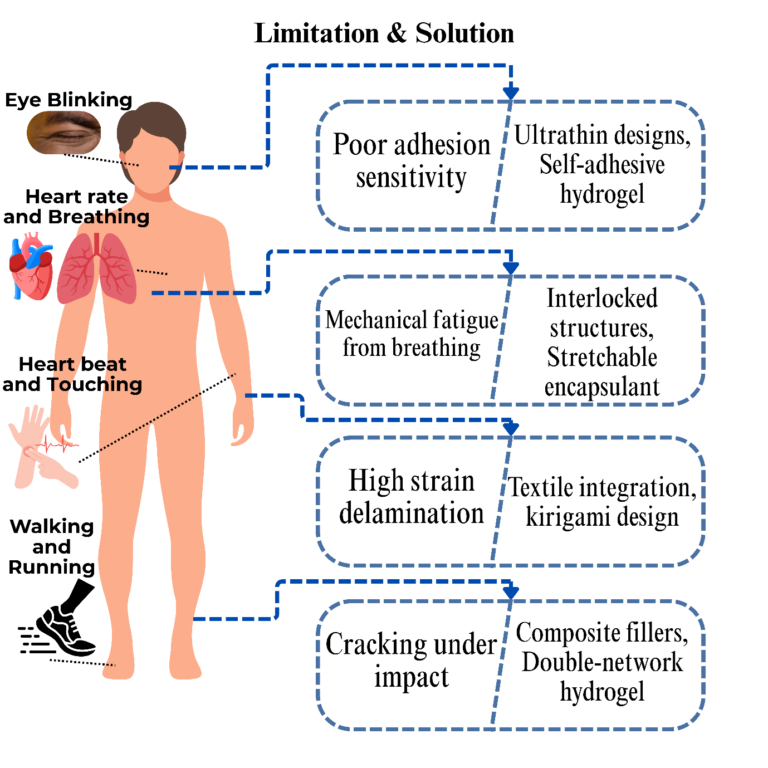
MAKASSAR, Indonesia Apr 13 2026/NGEnergy/ – What if the energy you need every day could come directly from your own body? Could a future exist where wearable devices no longer depend on batteries, but instead generate power from simple human activities? This vision is becoming increasingly possible through the development of nanogenerator technology, a breakthrough that connects human motion with sustainable energy solutions.
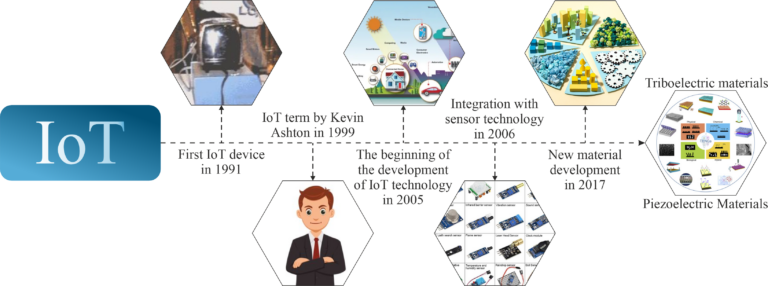
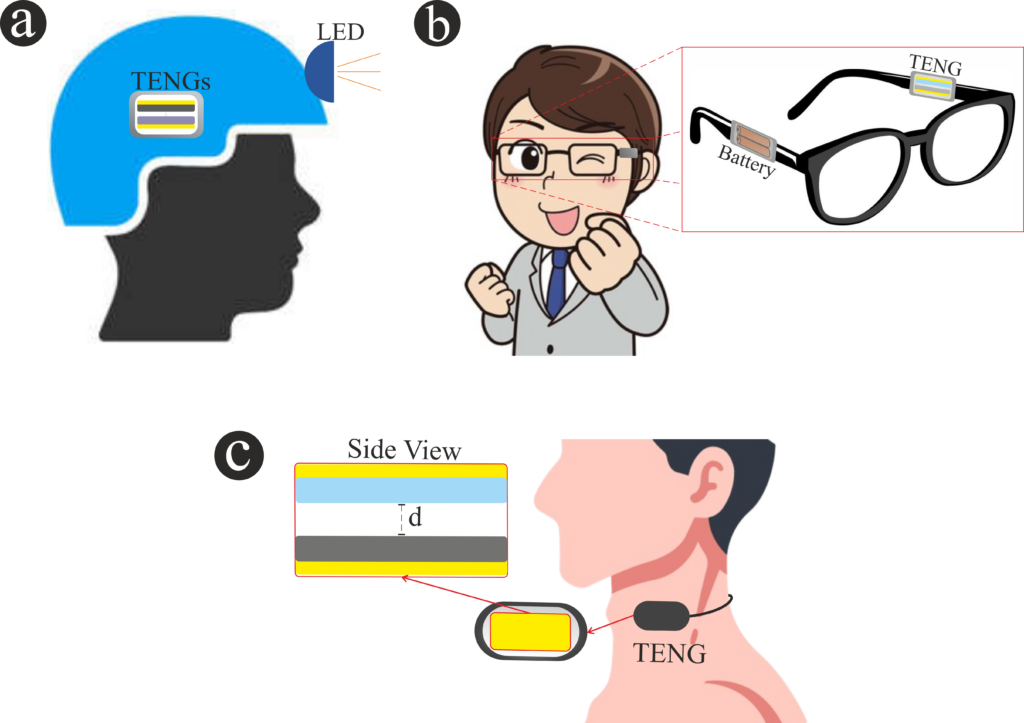
Nanogenerators are innovative devices capable of converting mechanical energy—such as walking, breathing, or even subtle body movements—into electrical energy. By utilizing triboelectric and piezoelectric principles, these devices harvest energy that would otherwise be wasted. This makes them especially promising for powering wearable Internet of Things (IoT) devices, including health monitors, smart clothing, and portable sensors.
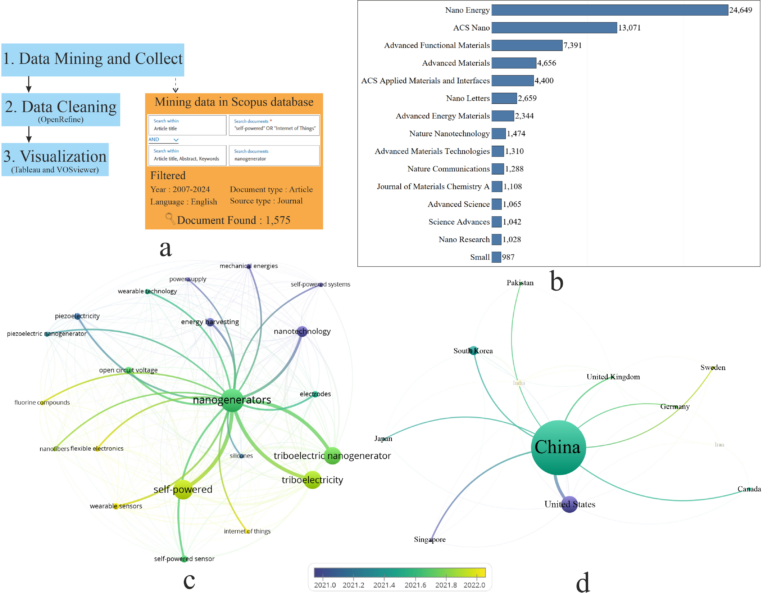
The growing importance of this technology is highlighted in the study “Science Mapping of Nanogenerator Research Development to Harvest Energy from Human Body Motion for Wearable IoT Devices”, published in JOM by Springer Nature on 10 November 2025. The research provides a comprehensive overview of how nanogenerators are evolving as a sustainable solution for energy harvesting, particularly in wearable technologies. By analyzing more than 1,500 scientific publications, the study shows a clear trend toward developing self-powered systems that reduce reliance on conventional energy sources.
One of the most significant advantages of nanogenerators is their potential to support energy independence. Unlike traditional batteries that require frequent charging and replacement, nanogenerators can continuously produce small amounts of electricity as long as the user is in motion. This not only improves convenience but also reduces electronic waste, contributing to a more sustainable technological ecosystem.
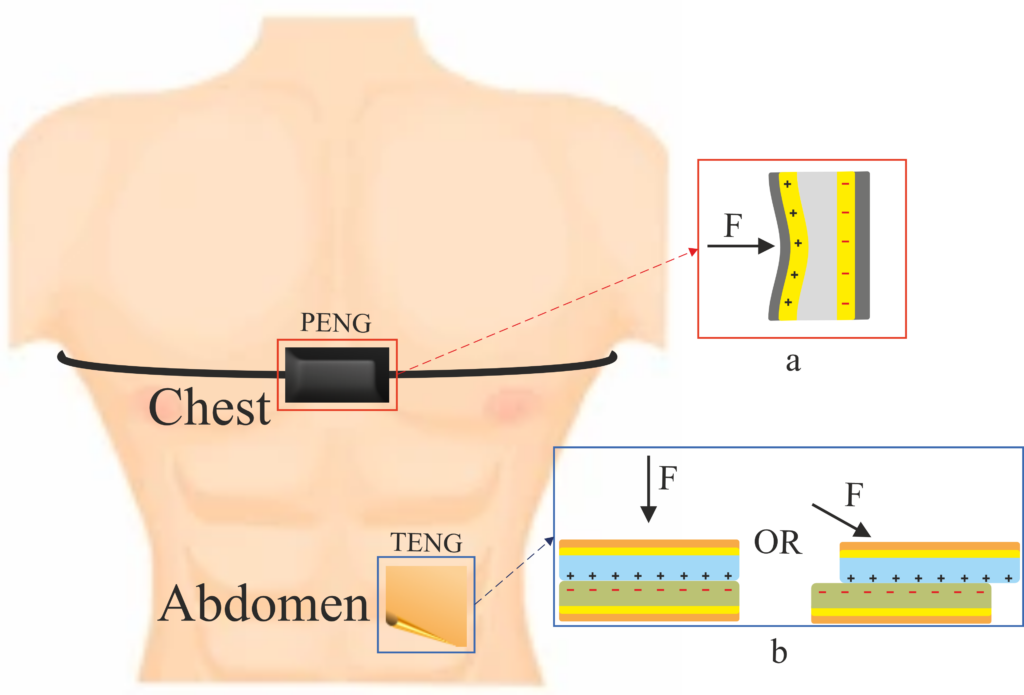
This innovation is closely aligned with SDG 1: No Poverty. Access to reliable energy remains a challenge in many parts of the world, particularly in remote or underdeveloped regions. Nanogenerator-based devices could provide low-cost, self-powered solutions for basic needs such as lighting, health monitoring, and communication. By reducing dependence on external energy infrastructure, this technology has the potential to improve quality of life and support economic development.
In addition, nanogenerators contribute to SDG 17: Partnerships for the Goals, as their development requires collaboration across multiple disciplines and countries. Scientists, engineers, and industry stakeholders must work together to overcome technical challenges and bring these innovations to practical use. Such partnerships are essential for accelerating progress and ensuring that the benefits of this technology are accessible to a wider population.
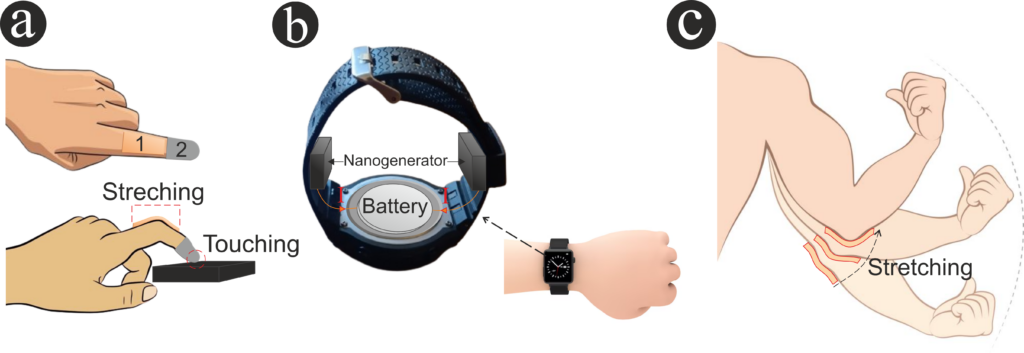
The advancement of nanogenerators also supports SDG 4: Quality Education, as it promotes learning and innovation in science and technology. By introducing real-world applications of physics and materials science, this field inspires students and researchers to explore new ideas and develop sustainable solutions for global challenges.
Despite its promising potential, several challenges still need to be addressed, including improving energy efficiency, ensuring device durability, and maintaining user comfort. However, ongoing research continues to push the boundaries of what is possible, bringing us closer to a future where energy is seamlessly integrated into our daily lives.
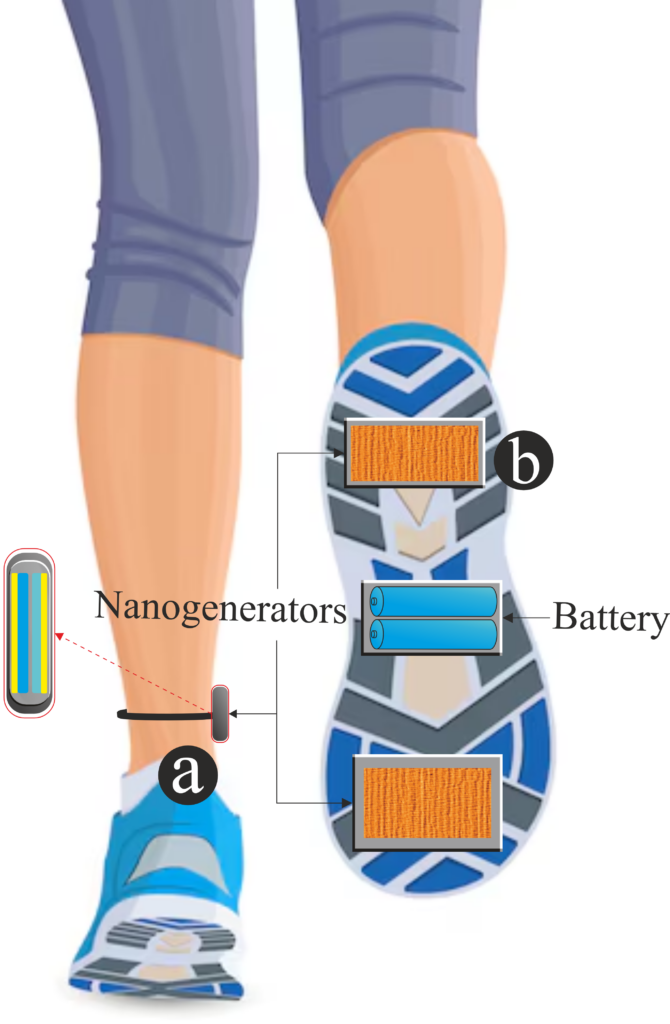
In conclusion, nanogenerators represent a transformative step toward self-powered living. By turning the human body into a renewable energy source, this technology offers a sustainable, accessible, and innovative solution for the future. With continued development and collaboration, nanogenerators have the potential to redefine how we generate and use energy in a rapidly evolving world.
Reference:
DOI: https://doi.org/10.1007/s11837-025-07845-7
Contact:
Prof. Sri Suryani, DEA
+62 882-4208-7149