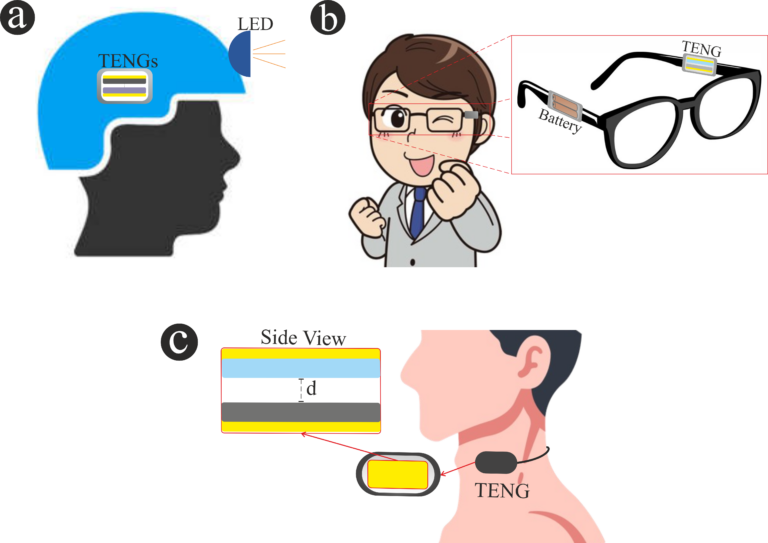
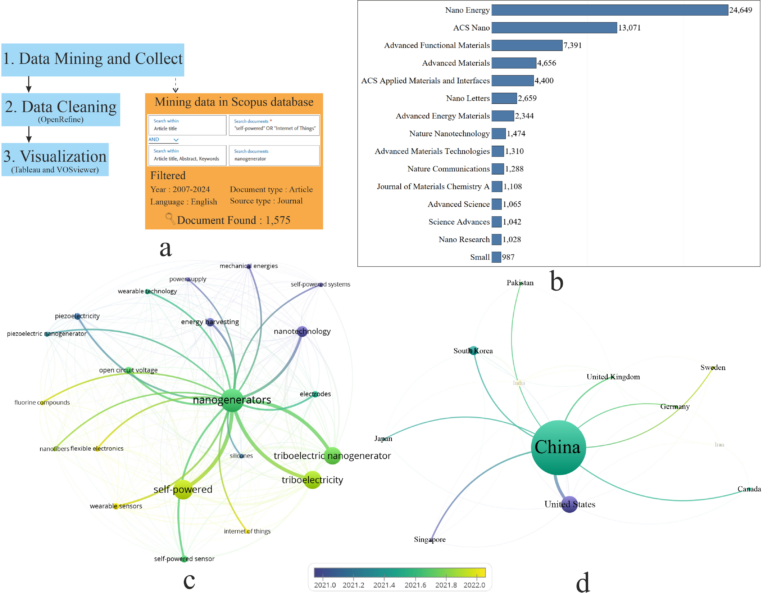
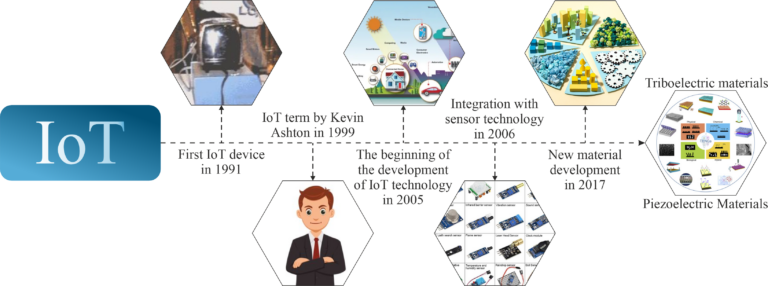
MAKASSAR, Indonesia Apr 13 2026/NGEnergy/ – If nanogenerators can turn human movement into electricity, why aren’t they widely used yet? What challenges are preventing this promising technology from becoming part of our everyday lives? While nanogenerators offer exciting possibilities, there are still important obstacles that must be addressed before they can be fully implemented on a large scale.
Nanogenerators work by converting mechanical energy—such as motion, vibration, and pressure—into electrical energy using triboelectric and piezoelectric principles. This makes them highly attractive for powering wearable devices and Internet of Things (IoT) systems without relying on conventional batteries. However, despite their potential, several technical and practical limitations continue to slow their widespread adoption.
According to the study “Science Mapping of Nanogenerator Research Development to Harvest Energy from Human Body Motion for Wearable IoT Devices”, published in JOM by Springer Nature on 10 November 2025, one of the main challenges is energy efficiency. Although nanogenerators can produce electricity from body movement, the amount of energy generated is still relatively small. This limits their ability to power devices that require higher or more stable energy output.
Another critical issue is durability. Since nanogenerators rely on repeated mechanical motion—such as bending, pressing, or friction—the materials used must withstand continuous stress over long periods. Many current designs experience performance degradation due to material wear, especially in flexible or wearable applications. Ensuring long-term stability without sacrificing efficiency remains a major research focus.
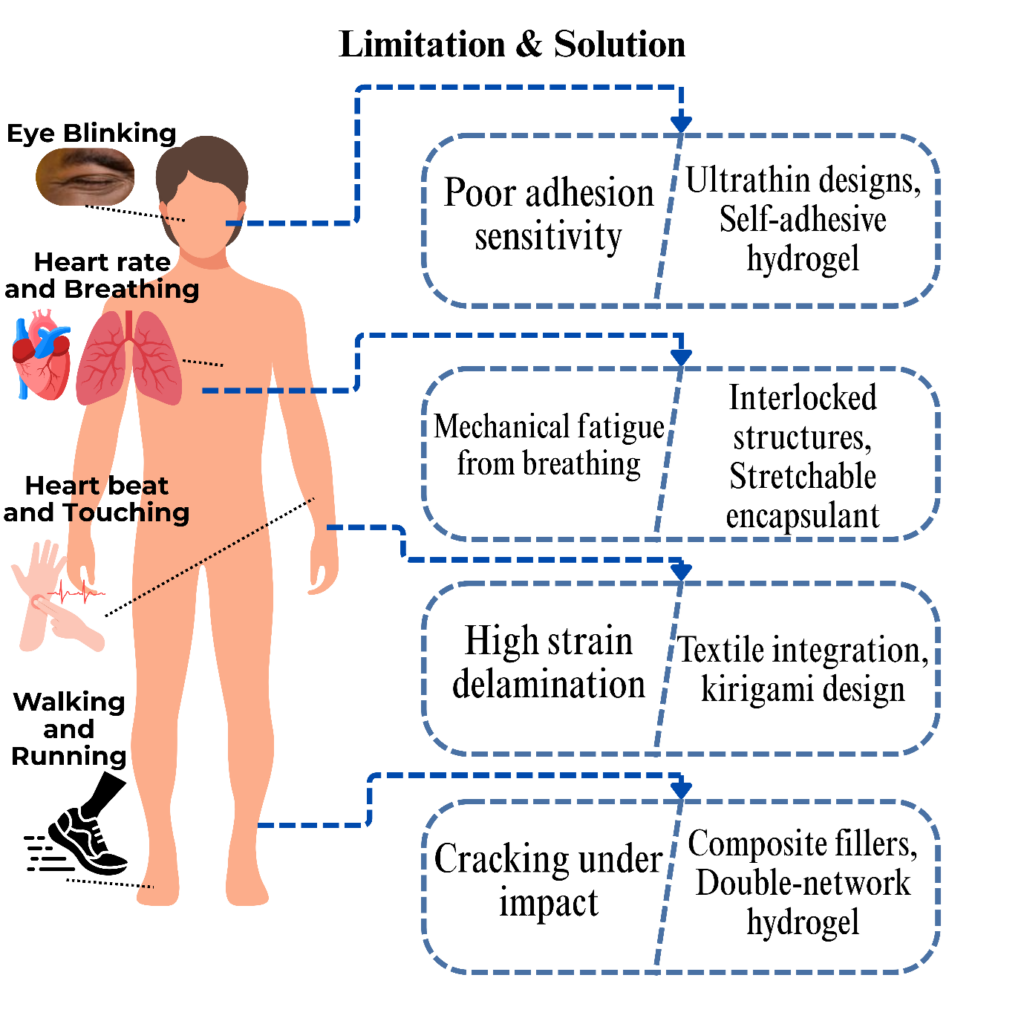
Comfort and usability also present significant challenges. Wearable devices must be lightweight, flexible, and comfortable for daily use. If nanogenerators are too rigid or bulky, users may find them inconvenient, reducing their practicality. Designing devices that seamlessly integrate with the human body without interfering with movement is essential for user acceptance.
Material selection further complicates development. While synthetic materials often provide higher performance, they can be expensive and environmentally less friendly. On the other hand, natural materials are more sustainable but may lack durability and efficiency. Balancing these trade-offs is a key challenge for researchers aiming to develop optimal solutions.
Despite these limitations, the future of nanogenerator technology remains highly promising. Researchers are actively exploring new materials, hybrid systems, and advanced designs to improve energy output, flexibility, and durability. Innovations such as combining multiple energy harvesting mechanisms and integrating nanogenerators with energy storage systems are expected to enhance overall performance.
This ongoing development strongly supports SDG 9: Industry, Innovation, and Infrastructure, as it encourages technological advancement and the creation of more sustainable energy solutions. In addition, it aligns with SDG 17: Partnerships for the Goals, since overcoming these challenges requires collaboration between scientists, engineers, industries, and policymakers across the globe.
Furthermore, the research contributes to SDG 4: Quality Education by providing opportunities for learning and innovation in emerging fields such as nanotechnology and renewable energy. It inspires students and researchers to develop creative solutions to complex real-world problems.
In conclusion, while nanogenerators hold great potential for transforming how we power wearable devices, several challenges must still be addressed. Improving efficiency, durability, comfort, and material sustainability will be key to unlocking their full potential. With continued research and global collaboration, nanogenerator technology is expected to evolve into a practical and widely adopted solution in the near future.
Reference:
DOI: https://doi.org/10.1007/s11837-025-07845-7
Contact:
Prof. Sri Suryani, DEA
+62 882-4208-7149