MAKASSAR, Indonesia Apr 13 2026/NGEnergy/ – Have you ever wondered which countries are leading the race in developing future energy technologies? Who are the key players shaping innovations that may soon power our devices using nothing more than human movement? Understanding these questions is essential, especially in fast-growing fields like nanogenerator technology.
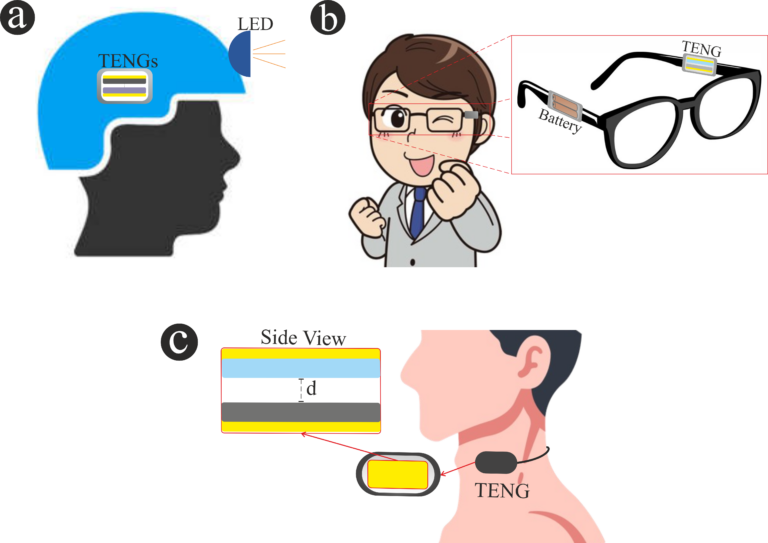
Nanogenerators, which convert mechanical energy into electrical energy, have attracted significant global attention due to their potential in powering wearable Internet of Things (IoT) devices. However, beyond the technology itself, it is equally important to understand how research in this field is developing worldwide. This is where bibliometric analysis becomes valuable—it allows scientists to map research trends, identify leading contributors, and explore collaboration networks across countries.
A comprehensive study titled “Science Mapping of Nanogenerator Research Development to Harvest Energy from Human Body Motion for Wearable IoT Devices”, published in JOM by Springer Nature on 10 November 2025, provides a detailed overview of this global research landscape. By analyzing more than 1,500 scientific articles indexed in Scopus, the study reveals key patterns in publications, citations, and international collaborations related to nanogenerator development.
The findings show that research in nanogenerators has grown rapidly since 2007, driven by increasing interest in sustainable and self-powered technologies. Several countries, including the United States, China, Japan, and Germany, play major roles in advancing this field. Among them, China stands out as the most productive and active country, particularly in building international research collaborations. This highlights how strong investment in science and technology can significantly influence innovation output.
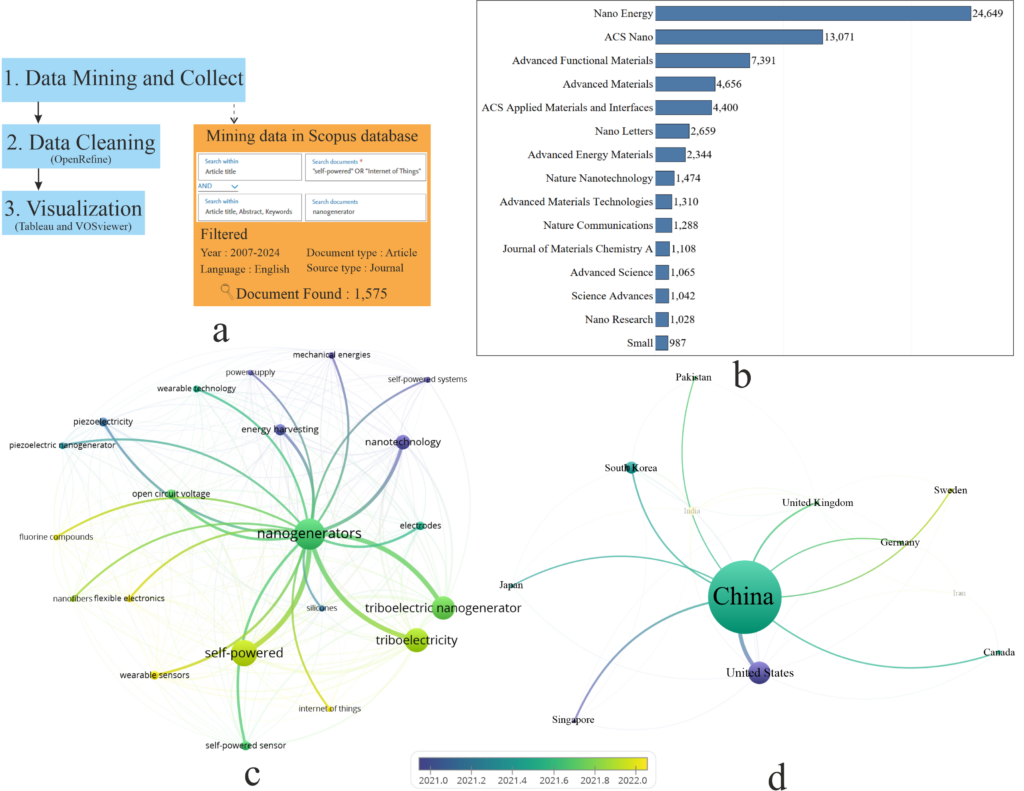
In addition to country contributions, the study also identifies influential journals and researchers. High-impact journals such as Nano Energy and ACS Nano have published many widely cited articles, indicating their importance in disseminating knowledge in this field. Furthermore, pioneering researchers have contributed foundational designs, such as early nanogenerator models that continue to inspire current innovations.
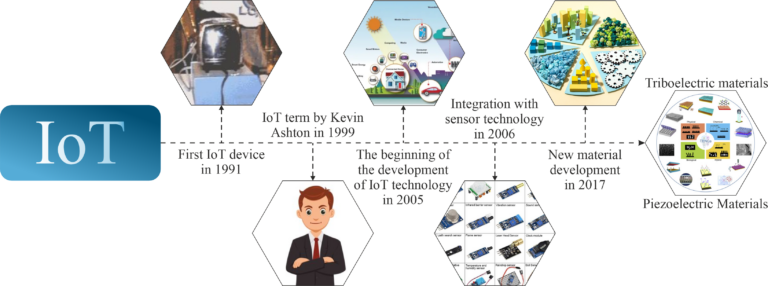
Keyword analysis from the study reveals how research trends have evolved over time. Early work focused on basic concepts like “energy harvesting” and “nanotechnology,” while more recent studies emphasize applications such as “wearable sensors” and “Internet of Things.” This shift indicates that nanogenerator research is moving from theoretical development toward practical, real-world implementation.
This global research mapping strongly supports SDG 17: Partnerships for the Goals. The advancement of nanogenerator technology depends heavily on international collaboration, where countries share knowledge, expertise, and resources. By working together, researchers can accelerate innovation and overcome complex challenges more effectively than working in isolation.
At the same time, the study contributes to SDG 4: Quality Education by providing valuable insights for students, academics, and policymakers. Understanding global research trends helps guide future studies, encourages informed decision-making, and supports the development of educational programs that align with emerging technologies.
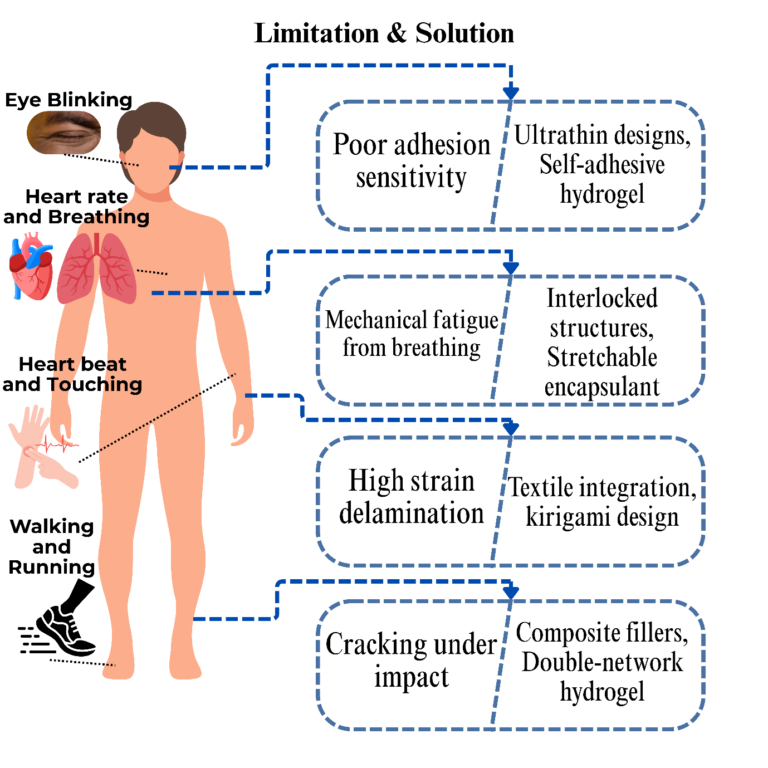
Despite the rapid progress, challenges remain in ensuring equal participation from developing countries and translating research into commercial applications. Bridging these gaps requires stronger collaboration, funding support, and knowledge exchange across regions.
In conclusion, mapping the global development of nanogenerator research offers more than just data—it provides a strategic view of where innovation is happening and where it is headed. As collaboration continues to grow, nanogenerator technology is expected to play a vital role in shaping a more sustainable and connected future.
Reference:
DOI: https://doi.org/10.1007/s11837-025-07845-7
Contact:
Prof. Sri Suryani, DEA
+62 882-4208-7149