MAKASSAR, Indonesia Apr 13 2026/NGEnergy/ – Have you ever imagined that the simple act of walking or moving your hands could generate electricity? What if every step you take or every motion you make could help power your electronic devices? This idea is no longer science fiction. Today, scientists are developing innovative technologies that transform everyday human movements into usable electrical energy through devices known as nanogenerators.
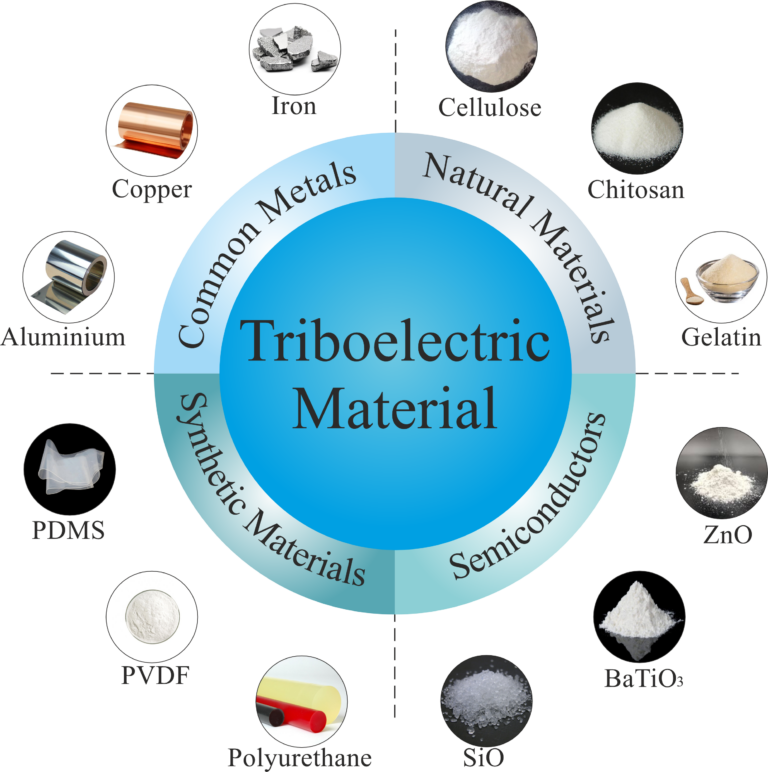
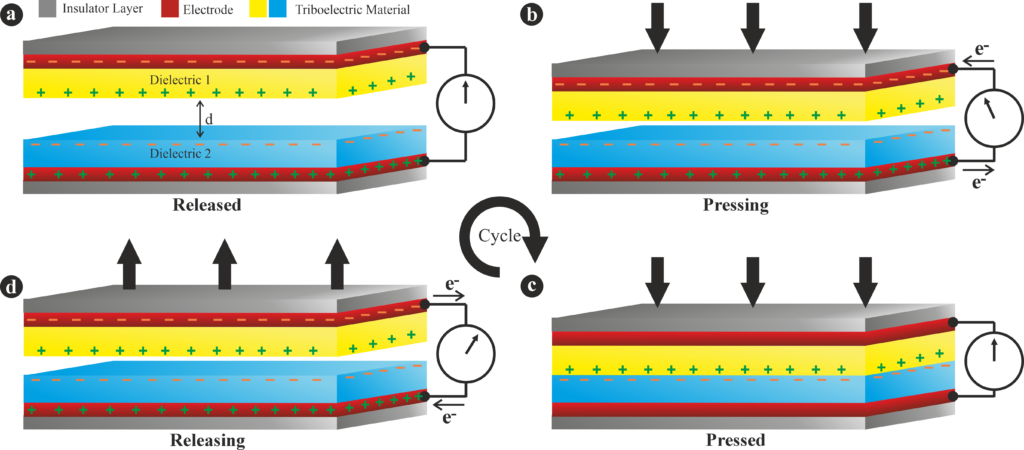
Nanogenerators work based on two fundamental principles: the triboelectric effect and the piezoelectric effect. While these terms may sound complex, their basic concepts are quite easy to understand. The triboelectric effect occurs when two different materials come into contact and then separate, creating an electric charge due to friction. A simple example is when you rub a balloon on your hair and it sticks—this is static electricity in action. In nanogenerators, this principle is engineered in a controlled way to continuously produce electrical energy from motion.
On the other hand, the piezoelectric effect works through pressure or mechanical stress. Certain materials can generate electricity when they are pressed, bent, or deformed. For example, when you step on the ground, the pressure from your foot can be converted into electrical signals using piezoelectric materials. This makes the technology especially useful for capturing energy from repetitive movements such as walking, running, or even breathing.
These two mechanisms are at the core of recent research highlighted in the article “Science Mapping of Nanogenerator Research Development to Harvest Energy from Human Body Motion for Wearable IoT Devices”, published in JOM by Springer Nature on 10 November 2025. The study explores how these technologies are being developed to support wearable Internet of Things (IoT) devices, such as health monitors, smartwatches, and motion sensors, enabling them to operate without traditional batteries.

One of the most interesting findings from the research is how efficiently the human body can act as a source of energy. Movements that we usually ignore—like bending fingers, swinging arms, or stepping forward—can be harnessed to produce small but continuous amounts of electricity. Over time, this energy can be sufficient to power low-energy devices, reducing the need for frequent charging or battery replacement.
This innovation strongly supports global development efforts, particularly SDG 4: Quality Education. By introducing accessible and practical examples of advanced science, such as nanogenerators, this technology helps bridge the gap between theoretical knowledge and real-world application. It encourages students, researchers, and the public to better understand how physics and materials science can directly impact everyday life. Furthermore, it inspires innovation and critical thinking, which are essential for building a knowledge-based society.
In addition to education, nanogenerator technology also promotes environmental sustainability. By reducing dependence on disposable batteries, it helps minimize electronic waste and supports cleaner energy solutions. However, challenges still exist, including improving efficiency, ensuring user comfort, and developing materials that are both durable and flexible.
In conclusion, nanogenerators represent a fascinating intersection of science and daily life. By converting simple actions like friction and pressure into electrical energy, they offer a glimpse into a future where energy is not only sustainable but also seamlessly integrated into our bodies and routines.
Reference:
DOI: https://doi.org/10.1007/s11837-025-07845-7
Contact:
Prof. Sri Suryani, DEA
+62 882-4208-7149