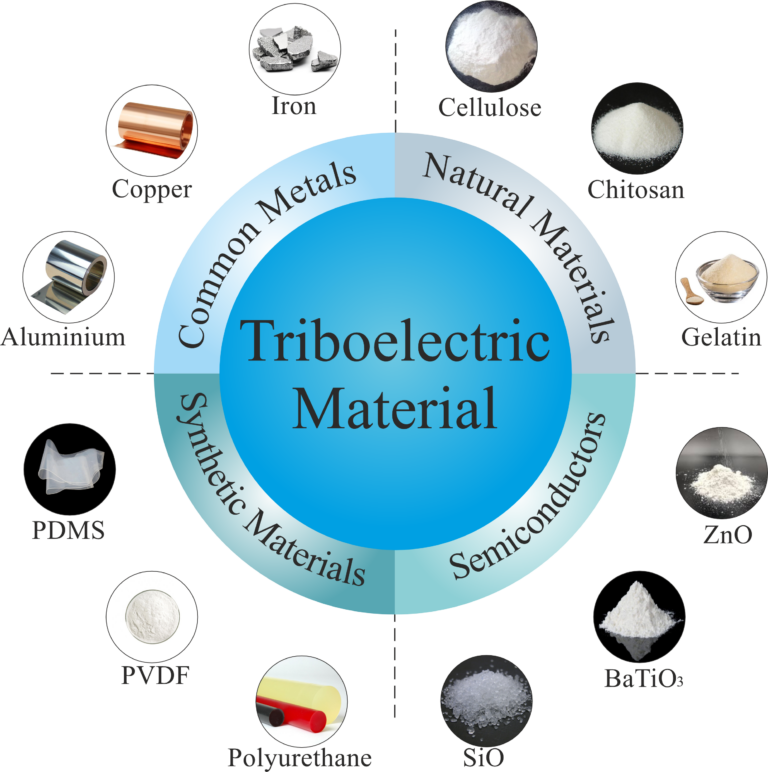
MAKASSAR, Indonesia Apr 13 2026/NGEnergy/ – Can the human body really become a source of electricity for everyday devices? This question, once considered futuristic, is now at the center of growing scientific innovation. Recent advances in nanotechnology reveal that simple human movements(walking, typing, or even breathing) can be converted into electrical energy. This breakthrough opens new possibilities for powering wearable devices without relying on conventional batteries.
The idea is based on a technology called nanogenerators, which are tiny devices capable of converting mechanical energy into electrical energy. Two main mechanisms are widely used: triboelectric and piezoelectric effects. In simple terms, triboelectric nanogenerators produce electricity from friction between two materials, while piezoelectric nanogenerators generate energy when materials are pressed or deformed. These mechanisms allow energy to be harvested from natural body movements that would otherwise go to waste.
A recent scientific publication titled “Science Mapping of Nanogenerator Research Development to Harvest Energy from Human Body Motion for Wearable IoT Devices”, published in JOM by Springer Nature on 10 November 2025, highlights how rapidly this field is evolving. The study analyzed more than 1,500 research articles and found that nanogenerator technology is becoming a promising solution for powering wearable Internet of Things (IoT) devices. These include smartwatches, health monitors, and even smart clothing that can function independently without frequent charging.
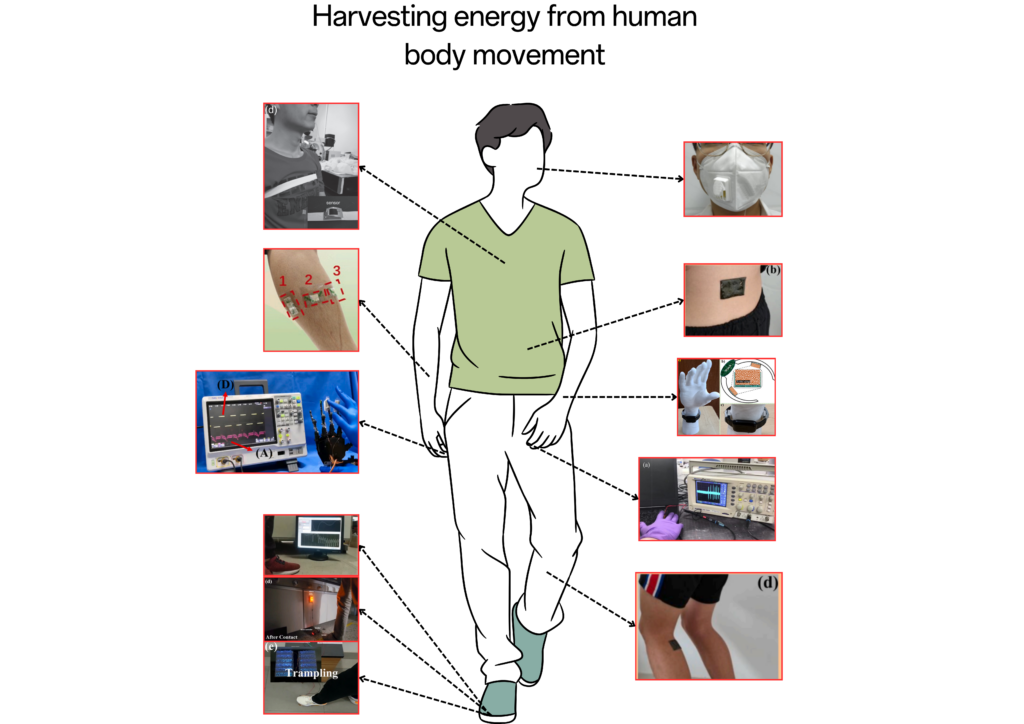
Interestingly, the research also shows that different parts of the human body produce different amounts of energy. For example, the hands are the most commonly used location for nanogenerators due to their frequent movement, while the feet can generate higher electrical output because of stronger mechanical pressure during walking. This insight is crucial for designing more efficient and practical wearable devices.
Beyond technological innovation, the development of nanogenerators strongly supports global sustainability efforts. In particular, this advancement aligns with SDG 4: Quality Education, as it promotes the dissemination of scientific knowledge and encourages innovation among students and researchers. By understanding and developing such technologies, educational institutions can play a key role in preparing future generations to solve real-world energy challenges.
Moreover, this technology has the potential to reduce dependence on disposable batteries, which often contribute to environmental pollution. By utilizing renewable energy from the human body, nanogenerators offer a cleaner and more sustainable alternative. This not only improves energy efficiency but also supports environmentally responsible technological development.
However, challenges remain. Issues such as device durability, user comfort, and energy efficiency still need to be addressed before large-scale implementation becomes possible. Researchers are continuously exploring new materials—ranging from synthetic polymers to natural biodegradable substances—to improve performance while maintaining flexibility and safety for human use.
In conclusion, harvesting energy from the human body is no longer just an imaginative concept but a tangible scientific reality. With continued research and collaboration, nanogenerator technology could revolutionize how we power wearable devices in the future. As science moves forward, the human body itself may become a reliable, sustainable, and ever-available source of energy.
Reference:
DOI: https://doi.org/10.1007/s11837-025-07845-7
Contact:
Prof. Sri Suryani, DEA
+62 882-4208-7149