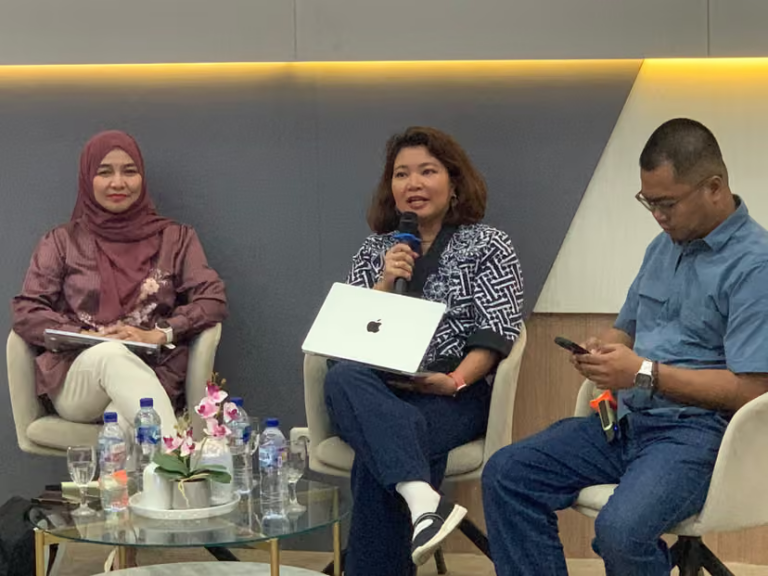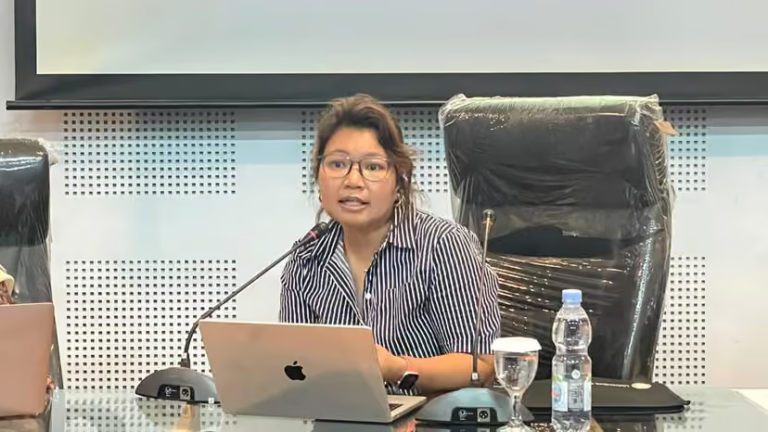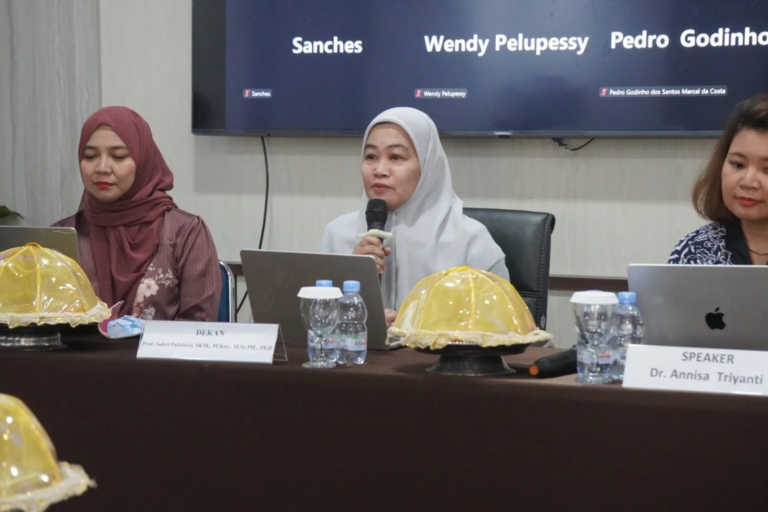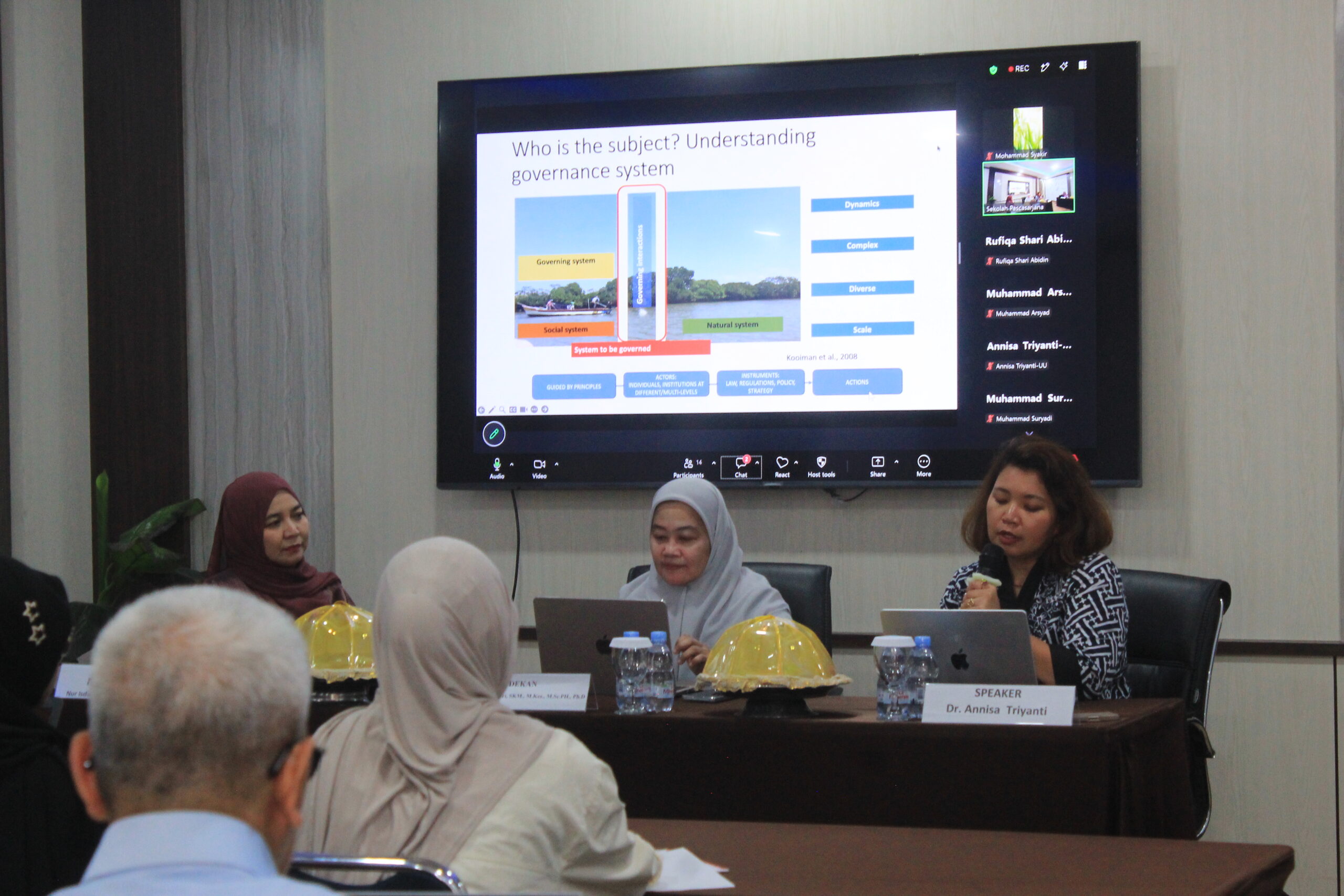

Makassar, 22 October 2026, How can Indonesia protect its forests, coasts, and seas while also safeguarding the people who depend on them? This question guided the public lecture Kuliah Umum Diaspora Berdampak #4: Environmental Governance in Indonesia, held as a talkshow for postgraduate students. Part of the Diaspora Berdampak 2026 Program, the event was organized by the Thematic Research Group (TRG) Migration and Human Security, Universitas Hasanuddin, at the Smart Class, Postgraduate School, Universitas Hasanuddin, Makassar, South Sulawesi, Indonesia.
The session brought together 26 participants, mostly postgraduate students eager to sharpen their understanding of environmental issues. The featured speaker was Dr. Annisa Triyanti, Assistant Professor of Disaster and Climate Risk Governance for Sustainability at the Copernicus Institute of Sustainable Development, Utrecht University, the Netherlands. The discussion was moderated by Nur Isdah Idris, SIP., MA., guiding a lively and thoughtful exchange between the speaker and the audience.
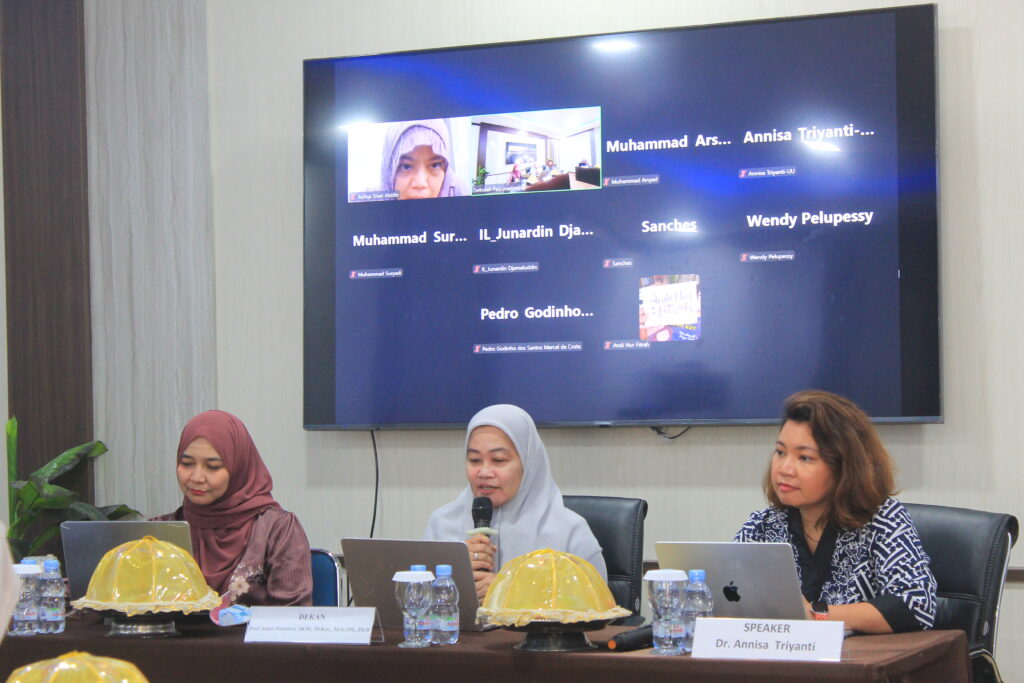
The talkshow invited participants to think critically about the complexity of environmental governance in Indonesia, where ecological, social, and political challenges are deeply intertwined. Special attention was given to ecosystem-based solutions in coastal areas, which are home to vulnerable communities and are increasingly exposed to climate pressures. Participants also explored how environmental change connects to migration and human security, showing that ecological problems are ultimately human problems.
The conversation also highlighted how qualitative, transdisciplinary research and socio-ecological analysis can help unpack environmental issues from multiple perspectives. Participants gained practical strategies for publishing in reputable international journals, helping early-career researchers turn their ideas into scholarly contributions that reach a global audience. This exchange turned the lecture into a space for learning, reflection, and academic growth.
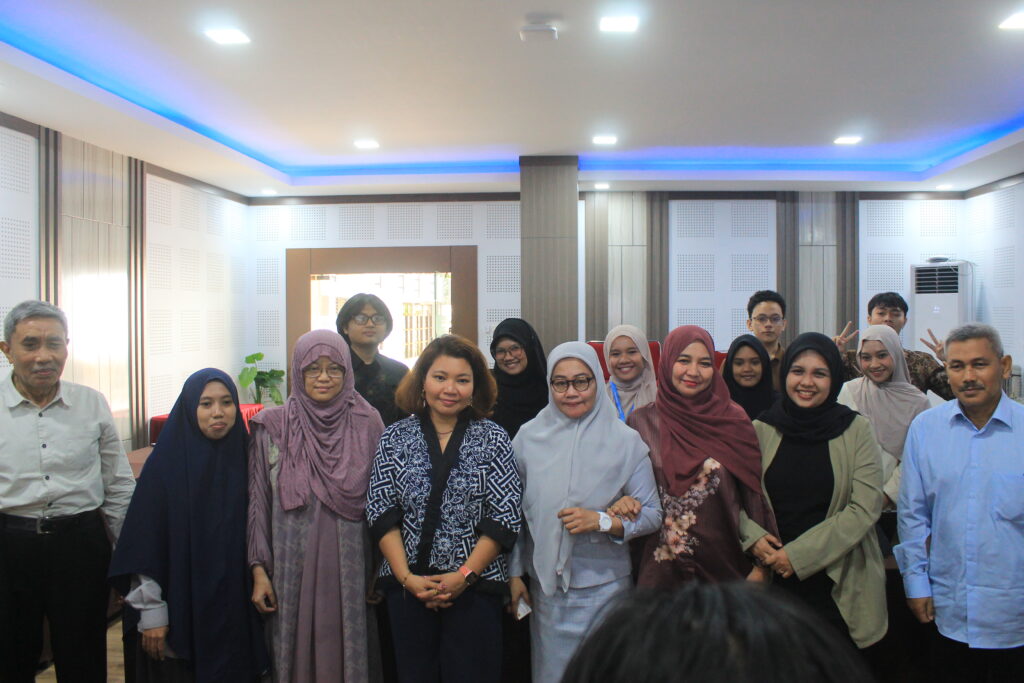
The activity contributes to several Sustainable Development Goals. By strengthening postgraduate education and research capacity, it advances SDG 4 (Quality Education). Attention to vulnerable coastal communities, whose livelihoods are easily disrupted by environmental change, supports SDG 1 (No Poverty), while discussions on human security relate to SDG 3 (Good Health and Well-Being). The focus on coastal ecosystems links to SDG 14 (Life Below Water) and SDG 15 (Life on Land). Finally, the cooperation between Universitas Hasanuddin and Utrecht University embodies SDG 17 (Partnerships for the Goals).
Beyond a single event, the lecture strengthened academic networks and opened opportunities for joint authorship and joint supervision between the two universities, laying groundwork for long-term collaboration.
The event was supported by dedicated student committee members and volunteers: Rifqah Asrianti HR, Andi Muh. Guttu Patalo Zulkarnain, Sherena Evangelyn Chandra, Muh. Nafsarrakhman Rivananda, Rasyiqa Fairuz R. Laitupa, Iftitah Azzahra Mahfud, Muhammad Rifqy Al-Ikhwan, Rizky Maharani Hidayat Yamin, and Ahmad Fadhil Ruhiyat.
As Indonesia faces growing environmental challenges, Universitas Hasanuddin reaffirmed its commitment to nurturing critical, collaborative, and globally connected young scholars.