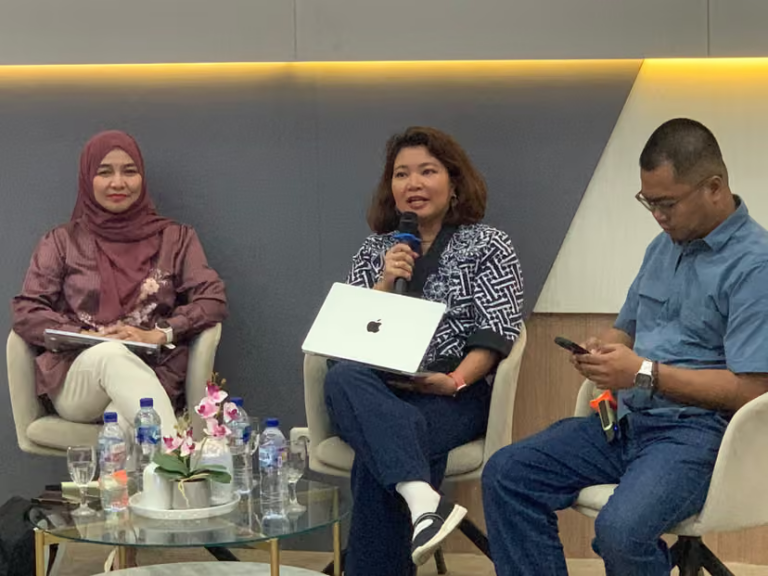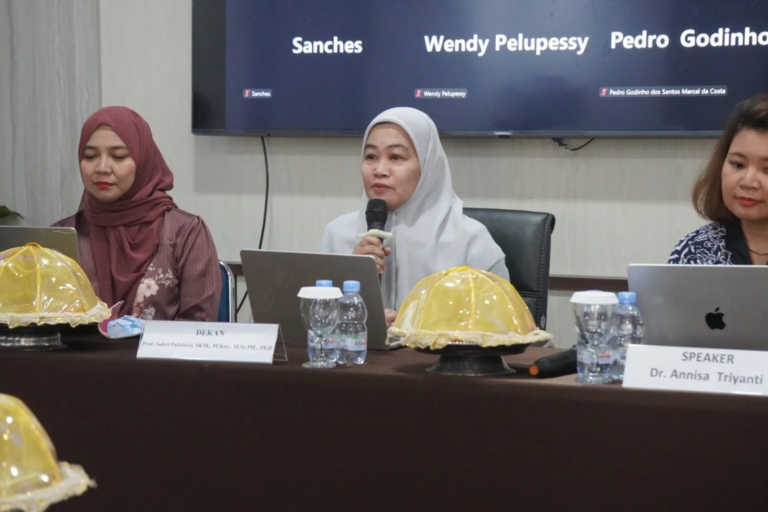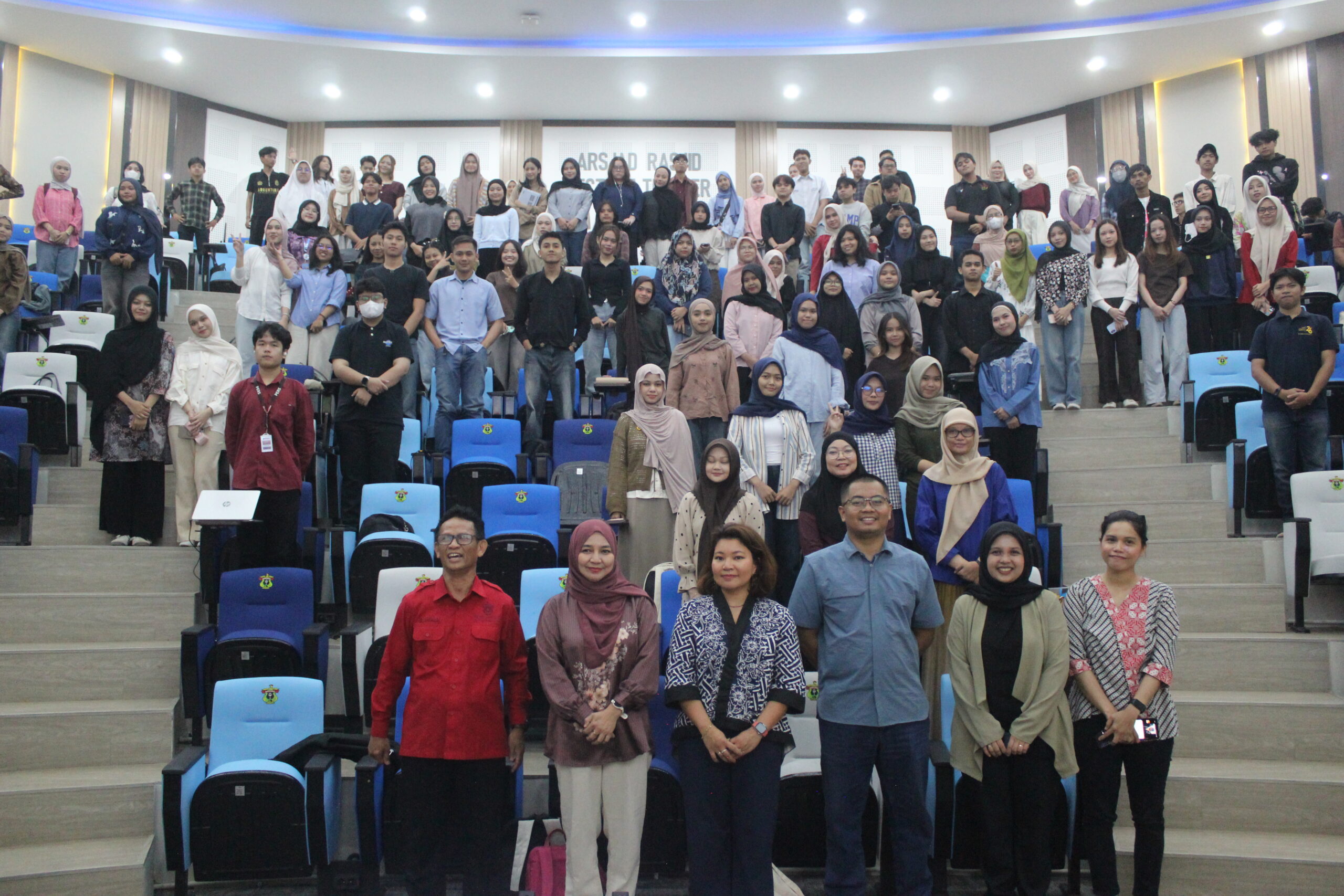

As climate change accelerates and coastal vulnerabilities intensify across Eastern Indonesia, building adaptive capacity through integrated science and community engagement has become an essential mandate for modern academia. Addressing this critical challenge, Universitas Hasanuddin (Unhas) successfully hosted the third session of its public lecture series, titled Diaspora Berdampak #3: “Disaster and Climate Risk Governance: Synergies of Transdisciplinary Research for Local Community Resilience”. Held at the Arsjad Rasjid Lecture Theater, the event served as an intellectual platform to explore how integrated disaster management and cross-disciplinary research can systematically enhance the resilience of vulnerable coastal communities.
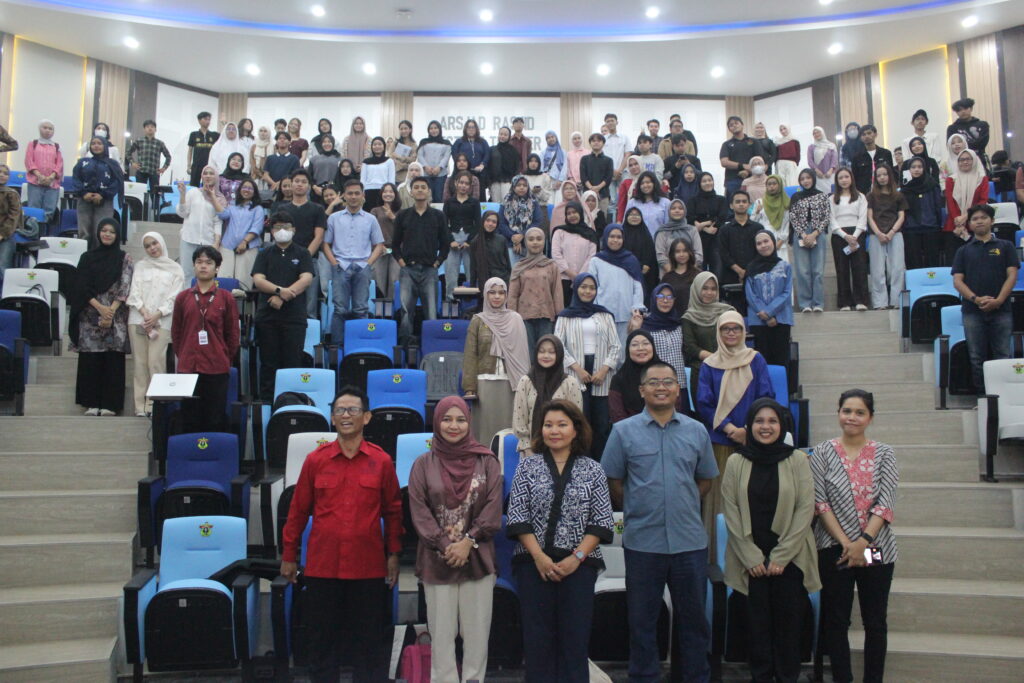
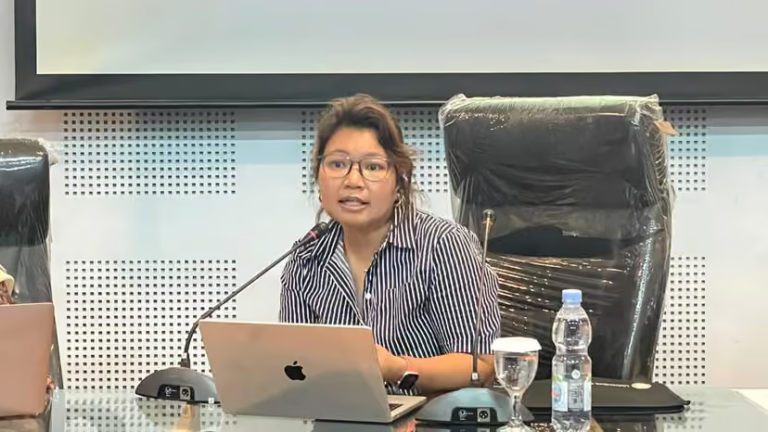
The milestone event took place on 22 Oktober 2026 at Universitas Hasanuddin, Makassar. The public lecture attracted a dynamic and diverse audience, recording 127 Partisipan comprising faculty members, researchers, undergraduate students, and postgraduate scholars. The academic discourse was enriched by valuable global insights delivered by distinguished key speaker Dr. Annisa Triyanti (Assistant Professor of Disaster and Climate Risk Governance for Sustainability, Copernicus Institute of Sustainable Development, Utrecht University, Netherlands). Furthermore, the active participation of dedicated students highlighted the collaborative nature of the session, including Iftitah Azzahra M., Andi Muh. Guttu Patalo Z., Rifqah Asrianti HR, Rasyiqa Fairuz R. Laitupa, Rifky Kartanegara, Sherina Evangelyn Chandra, Ahmad Fadhil Ruhiyat, Muh. Nafsarrakhman Rievananda, Rizky Maharani HY.
The primary objective of this public lecture was to investigate how transdisciplinary research frameworks, combining environmental governance, social inclusion, disaster risk management, and community-led adaptation that can safeguard coastal livelihoods from escalating climate hazards. Dr. Triyanti emphasized that effective risk governance requires moving beyond isolated sectoral solutions by bridging scientific knowledge with local wisdom.
This academic initiative directly connects to the United Nations Sustainable Development Goals, explicitly advancing SDG 1: No Poverty, SDG 4: Quality Education, and SDG 17: Partnerships for the Goals. By examining how proactive disaster risk reduction and ecosystem adaptation prevent the destruction of local livelihoods and economic marginalization among coastal populations, the initiative supports systemic vulnerability reduction aligned with SDG 1: No Poverty. Moreover, by exposing students and early-career researchers to advanced international research methodologies and transdisciplinary frameworks, the lecture elevates higher education standards in accordance with SDG 4: Quality Education. Finally, by uniting Indonesian academic communities with international diaspora scholars and global sustainability institutes, the gathering demonstrates the essence of collaborative knowledge-sharing under SDG 17: Partnerships for the Goals.
Through this impactful public lecture, Universitas Hasanuddin continues to advance transdisciplinary research that protects vulnerable ecosystems while empowering coastal communities across the nation.