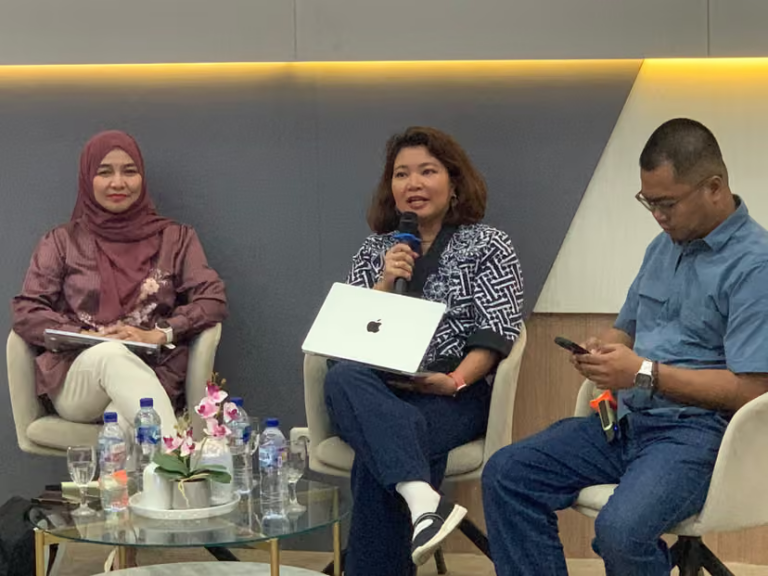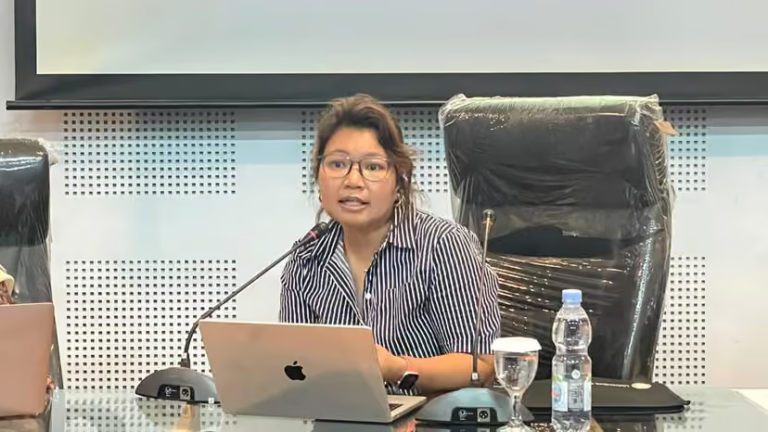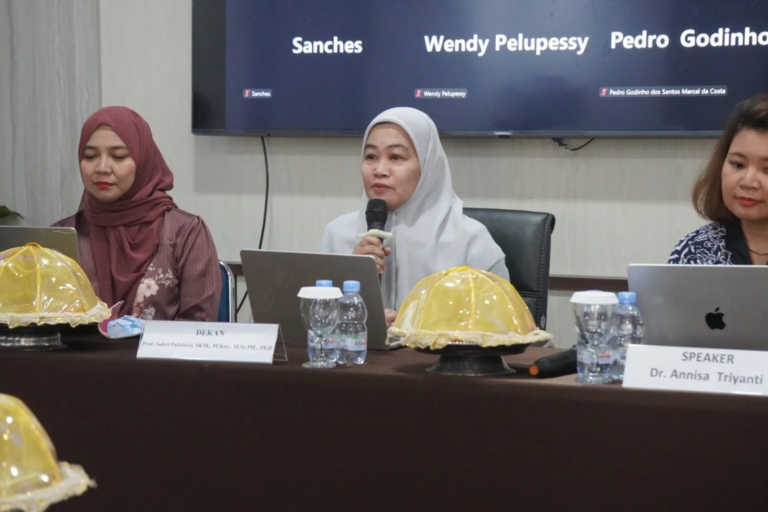

In an era of unprecedented global displacement, the intersection of protracted transit, social inclusion, and refugee governance has emerged as a crucial area of scholarly inquiry. Addressing these complex socio-political dynamics through a Gender Equality, Disability, and Social Inclusion (GEDSI) perspective, researchers from Universitas Hasanuddin (Unhas) delivered a compelling empirical presentation at the 17th National Convention of the Association of International Relations Studies in Indonesia (VENNAS XVII AIHII 2026). Hosted at President University, Cikarang, the prestigious annual convention convened leading academics, foreign policy experts, and researchers from across the nation to critically examine contemporary global issues.
The presentation took place on 13th October 2026 at President University, Cikarang. The academic session drew active participation from a broad cohort, recording 200 vennas participants from 70 campus across Indonesia. Representing the Migration and Human Security Thematic Research Group at Unhas, lead researcher Nur Isdah Idris, along with co-authors A. Ahmad Hasan Tenriliwang and Atikah Marzaman, presented their longitudinal study titled “When Transit Becomes Home: Involuntary Informal Integration amid Indonesia’s Refugee Governance Gaps”.
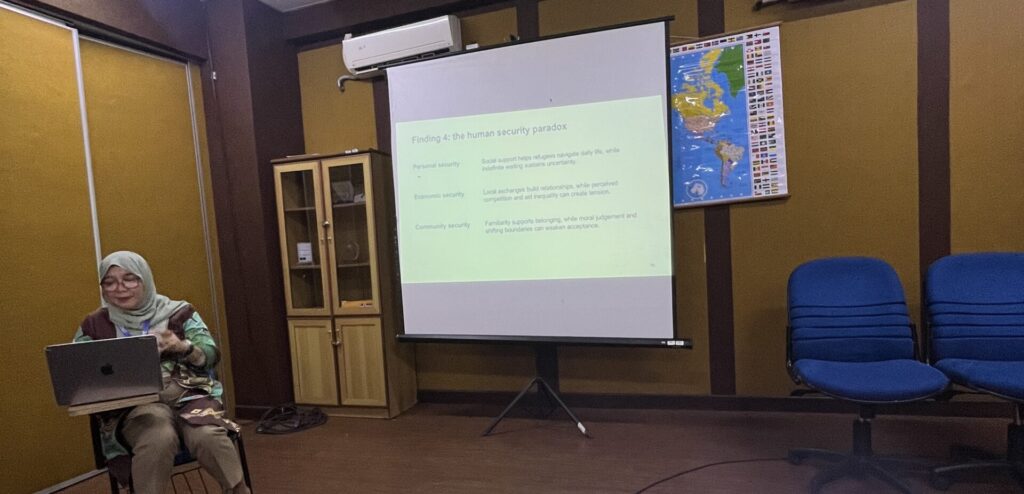
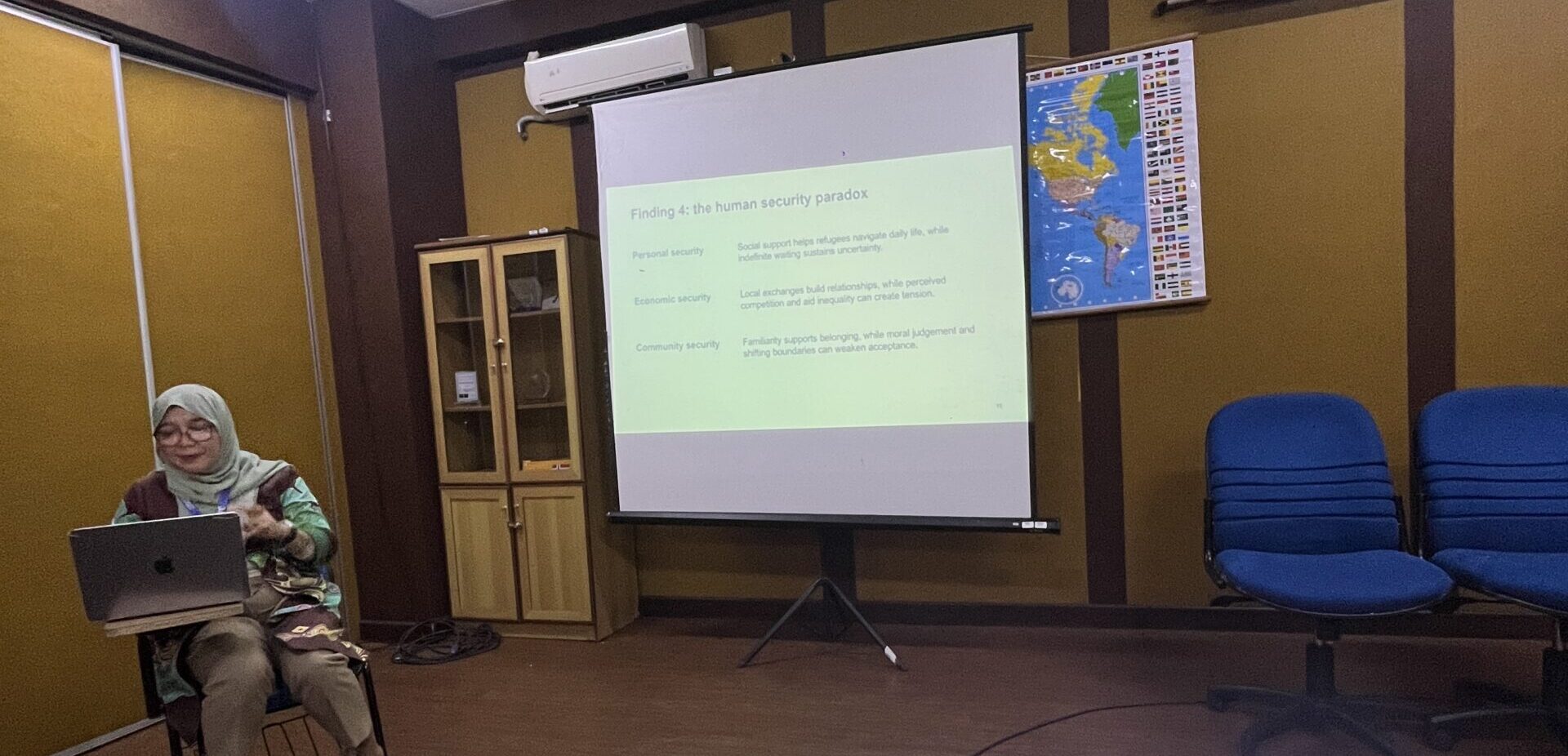
The core objective of the presentation was to unpack how extended, uncertain waiting periods, termed “permanent temporariness” lead displaced populations to build durable daily routines and local attachments despite the absence of formal legal integration frameworks in Indonesia. Grounded in long-term ethnographic fieldwork conducted in Makassar, the study demonstrates how prolonged coexistence fosters informal social embeddedness and mutual support while simultaneously generating moral comparisons, shifting social boundaries, and complex human security challenges for both refugees and host communities.
This academic contribution directly connects to the United Nations Sustainable Development Goals, explicitly advancing SDG 1: No Poverty, SDG 4: Quality Education, and SDG 17: Partnerships for the Goals. By examining how legal precarity and institutional exclusion impair economic stability, personal well-being, and community resilience among vulnerable populations, the study seeks to mitigate systemic vulnerabilities in alignment with SDG 1: No Poverty. Furthermore, by disseminating empirical findings, innovative conceptual frameworks, and inclusive policy insights across 17 universities, the presentation elevates national higher education standards in line with SDG 4: Quality Education. Finally, by advocating for multi-stakeholder governance models that bridge local social realities with international humanitarian policies, the initiative embodies the collaborative spirit required to foster inclusive social protection under SDG 17: Partnerships for the Goals.
Through this presentation, Universitas Hasanuddin reinforces its commitment to advancing human security research and shaping inclusive, evidence-based migration governance policies.