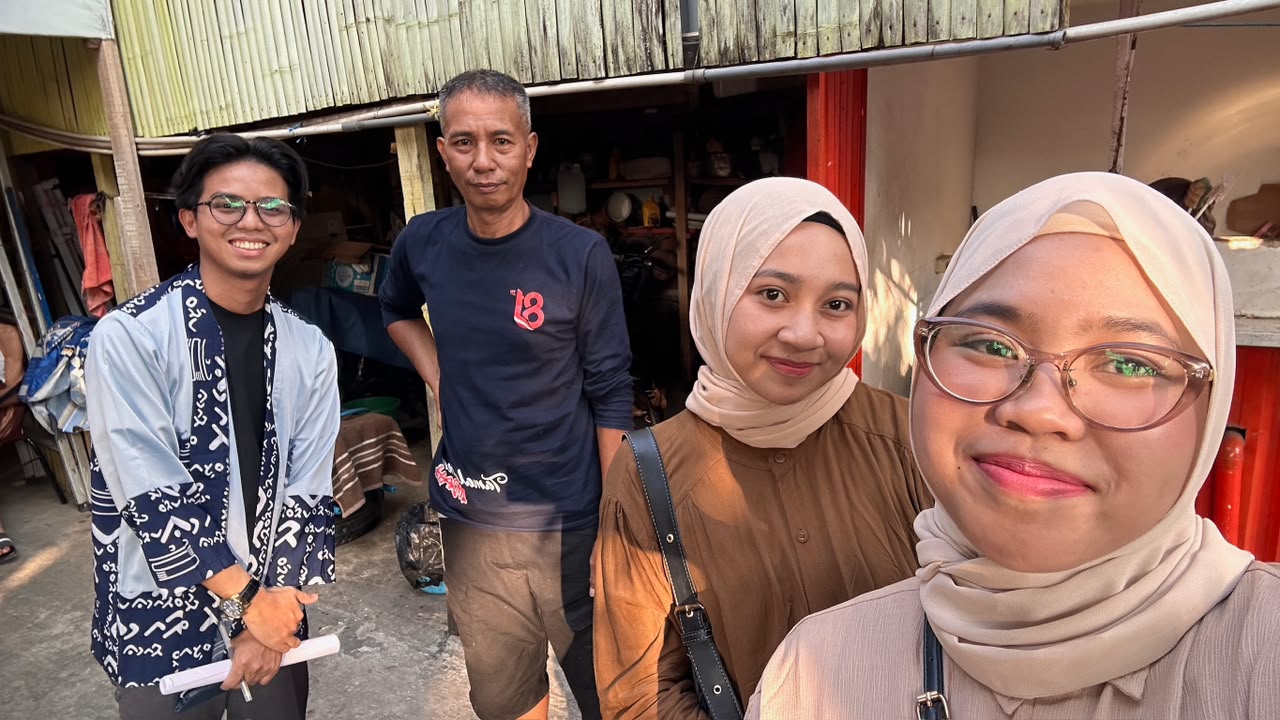

On 17 September 2026, a primary data collection activity in the form of field interviews was carried out on Jl. Perintis Kemerdekaan 7, Kota Makassar. This activity involved three interviewers who engaged directly with five participants, namely the heads of RT (Rukun Tetangga) and RW (Rukun Warga), the smallest units of neighborhood administration in Indonesia. The main purpose of this activity was to explore the perspectives and lived experiences of these local leaders regarding the presence of migrant communities within their neighborhoods.
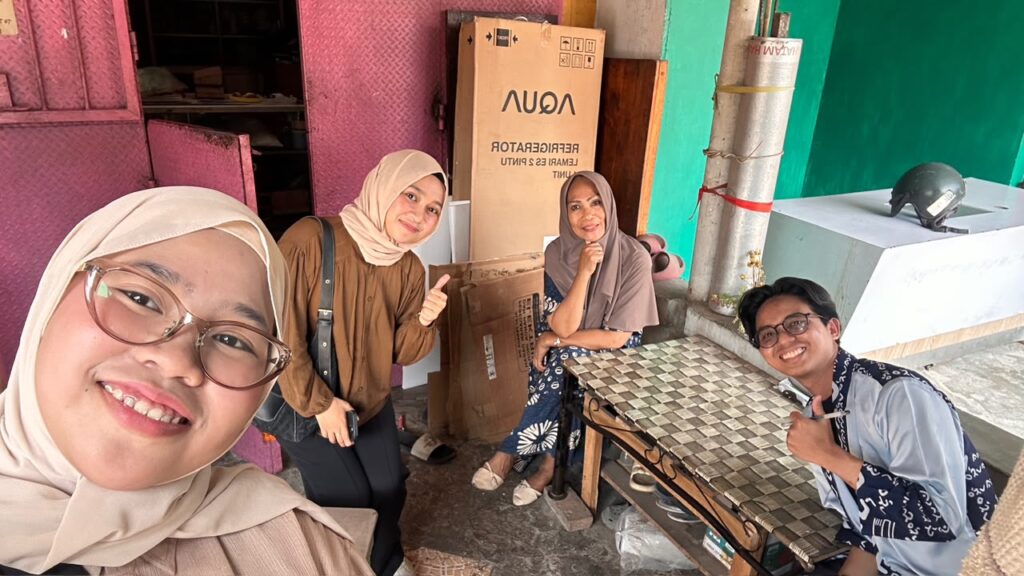
Field interviews were chosen as the primary method because they allow researchers to capture rich, contextual, and firsthand narratives that cannot be obtained through secondary data alone. By speaking directly with RT/RW heads, the team sought to understand how migration has shaped social dynamics, economic activities, and community relationships at the grassroots level. These local leaders occupy a strategic position, as they often serve as the first point of contact between newcomers and established residents, making their insights invaluable for understanding both the challenges and opportunities that migration brings to urban neighborhoods.
This activity is closely aligned with several Sustainable Development Goals (SDGs). First, it contributes to SDG 1: No Poverty, as understanding migrant integration helps identify economic vulnerabilities and barriers to accessing livelihood opportunities faced by both migrants and host communities. Second, it supports SDG 3: Good Health and Well-Being, since social acceptance, inclusion, and harmonious coexistence directly influence the psychological and social well-being of migrant populations as well as local residents. Third, the activity relates to SDG 4: Quality Education, as knowledge generated from these interviews can inform public awareness campaigns and educational materials that promote mutual understanding between migrants and host communities. Finally, this research embodies the spirit of SDG 17: Partnerships for the Goals, as it reflects collaboration between academic researchers and local government representatives, demonstrating how knowledge co-production at the grassroots level can support broader development agendas.
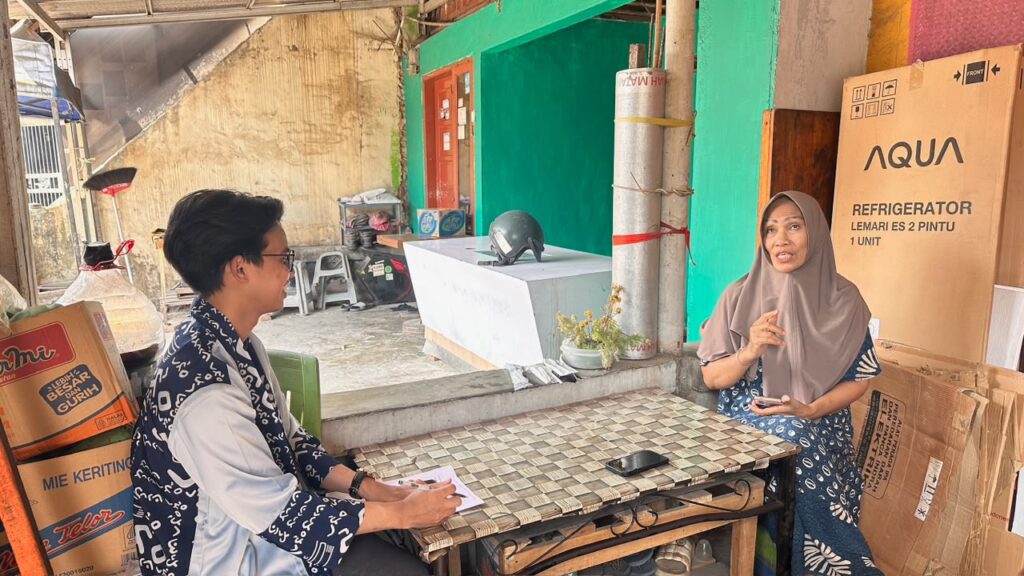
Through open and respectful dialogue, the research team gathered valuable narratives on how RT/RW leaders perceive the social integration process, the challenges of managing diverse populations, and the strategies they employ to maintain social harmony within their jurisdictions. These conversations also revealed the everyday realities of migrant life in urban settings, including access to housing, employment, and social services.
This activity underscores the importance of grassroots engagement in research, proving that meaningful data begins with genuine conversations at the community level, where local wisdom meets scientific inquiry to build a more inclusive future for all.
The data gathered from this field interview will serve as a foundation for further analysis on migration governance and community-based social inclusion strategies in Makassar. It is hoped that the insights obtained will not only enrich academic understanding but also provide practical recommendations for policymakers and community leaders in fostering inclusive, equitable, and sustainable urban environments.